In an era where seamless communication can define business success, personalized telephony solutions emerge as the game-changer—are you leveraging technology to its fullest potential? Grandstream’s innovative range of IP phones and cloud management tools simplifies deployment across large networks, offering high-quality, scalable communication systems tailored to your needs. Their devices support advanced features like PoE and HD audio, while centralized platforms like GDMS enable remote configuration, monitoring, and security updates—reducing downtime and operational costs. But how do these solutions truly transform business workflows? By integrating customized features that enhance user experience, streamline call handling, and support future growth, they turn communication into a strategic asset rather than a bottleneck. As digital landscapes evolve, embracing scalable, secure, and flexible telephony isn’t just smart—it’s essential. Are you ready to elevate your network efficiency and stay ahead in today’s competitive marketplace?
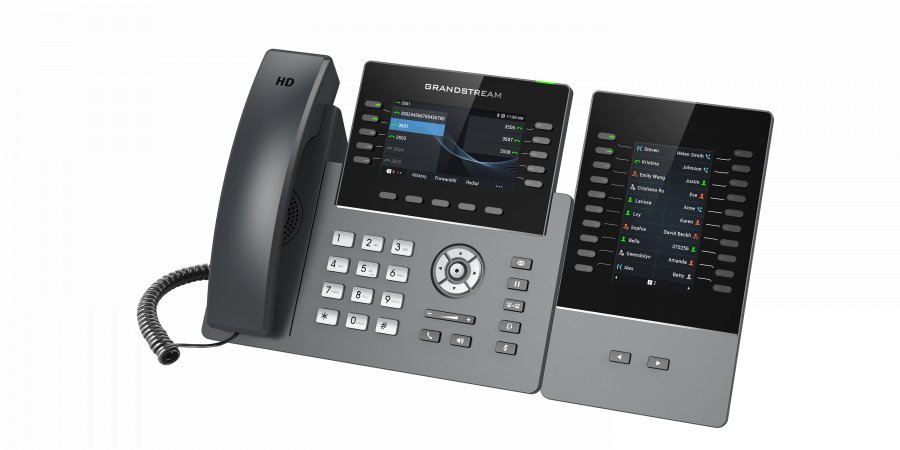
Unlock Your Business Potential with Custom Telephony Solutions
In today’s fast-moving business landscape, the way companies communicate can make or break their success. Clear, reliable, and adaptable communication systems are no longer just a convenience—they are a necessity. Businesses that invest in customized telephony solutions gain a competitive edge by tailoring their communication infrastructure to fit their unique workflows and operational demands. These tailored systems help streamline call handling, improve collaboration, and reduce the frustration often caused by generic, one-size-fits-all platforms.
Unlike off-the-shelf solutions, personalized telephony setups offer greater control over features and integrations. They can be designed to align perfectly with existing business processes, ensuring that communication tools support, rather than hinder, daily operations. For example, integrating a customer relationship management (CRM) system directly into a phone interface allows sales teams to access customer data instantly, speeding up follow-ups and boosting conversion rates. Customer support centers also benefit from customized call routing rules that prioritize urgent issues or specific client segments, making customer service more responsive and efficient.
The advantages extend well beyond immediate operational gains. Custom telephony systems are inherently scalable, which is crucial as a business grows. Off-the-shelf solutions often become bottlenecks when expansion is necessary, requiring costly upgrades or complete replacements. In contrast, tailored systems are built with scalability in mind, supporting seamless addition of new features, devices, or locations without disrupting ongoing operations. This flexibility ensures that communication infrastructure evolves alongside the business, avoiding costly downtime and maintaining continuity.
User experience is another vital aspect of personalized telephony. When systems are designed around specific workflows, employees find them easier to use and troubleshoot. Features like speed dial, personalized greetings, or call forwarding become second nature, reducing stress and increasing productivity. Employees spend less time navigating complicated menus or troubleshooting issues, allowing them to focus on their core tasks. In turn, this leads to higher morale and more engaged staff, which directly impacts overall business performance.
Adopting customized telephony solutions also positions companies to adapt more quickly to technological changes. Cloud-based systems, for example, facilitate remote management and rapid updates, ensuring that communication tools stay current with evolving market needs. Whether expanding into new regions or integrating new communication channels, a flexible, well-designed system provides the agility necessary for long-term growth. It transforms communication from a potential bottleneck into a strategic advantage, supporting innovation and responsiveness.
Ultimately, choosing a personalized telephony setup is a strategic move that delivers lasting value. It enhances operational efficiency, reduces costs over time, and supports scalable growth. When thoughtfully implemented, these solutions turn communication from a routine task into a powerful enabler of business success. As digital landscapes continue to evolve, organizations that invest in customized telephony are better positioned to maintain seamless, reliable connections—both internally among teams and externally with customers. This proactive approach helps businesses stay agile, competitive, and ready to meet future challenges head-on.

Master the Foundations of Telephony and Network Integration
Understanding the core concepts behind telephony and network integration is essential for building effective business communication systems today. Over the years, telephony has transformed from traditional landlines to digital, internet-based solutions that offer unprecedented flexibility and scalability. Today, Voice over Internet Protocol, or VoIP, is the dominant technology, converting voice signals into data packets that travel over the internet. This shift not only reduces costs significantly but also unlocks a host of advanced features, making communication more versatile and manageable remotely.
The hardware supporting these innovations has also evolved. IP phones, designed specifically for VoIP networks, resemble traditional phones but connect directly to the internet. These devices support high-definition audio, advanced call handling capabilities, and seamless integration with business applications like customer relationship management (CRM) platforms. Cloud-managed telephony systems further streamline deployment and ongoing management by centralizing control through web-based platforms. This setup enables organizations to configure, monitor, and update their entire telephony infrastructure remotely, simplifying scaling efforts and minimizing disruptions.
Historically, companies relied heavily on on-premises landline systems that involved extensive physical wiring and dedicated hardware at each location. These setups created significant limitations, making expansion costly and complex. As technology advanced, early VoIP solutions emerged as digital alternatives running over existing data networks, offering more flexibility. Over time, these systems incorporated additional functionalities such as video calling, virtual numbers, and cloud management options. Today, most organizations are shifting toward hybrid or fully cloud-based models, blending control and scalability to meet dynamic business needs.
Choosing the right deployment approach depends on factors like company size, budget, security, and future growth plans. On-premises systems offer complete control but require substantial upfront investments and ongoing maintenance. Cloud-based solutions provide rapid scalability, easier updates, and lower initial costs, making them attractive for organizations seeking agility. Hybrid models combine the strengths of both, allowing sensitive data to stay on-site while leveraging cloud services for flexibility. Recognizing these options helps businesses design a telephony infrastructure that aligns with their current needs and future ambitions.
A crucial aspect of modern telephony is ensuring network stability, security, and quality of service (QoS). Since VoIP traffic shares bandwidth with other data, prioritizing voice packets is vital to maintain clear, uninterrupted calls—especially during peak network usage. Implementing encryption and strict access controls safeguards sensitive conversations from cyber threats. Regular firmware updates and centralized management platforms, such as Grandstream’s GDMS, allow IT teams to monitor device performance, deploy patches, and troubleshoot remotely, fostering a resilient, high-quality communication environment.
Understanding these foundational concepts translates directly into more effective, scalable solutions. By grasping the evolution of telephony, the hardware innovations, and the deployment strategies, organizations can better tailor their communication systems to meet operational demands. This knowledge enables smarter choices about integrating new features, managing security, and ensuring reliable performance across distributed teams and multiple locations. Ultimately, a solid grasp of these core principles empowers businesses to leverage their telephony infrastructure as a strategic asset, driving efficiency and supporting growth in a competitive landscape.
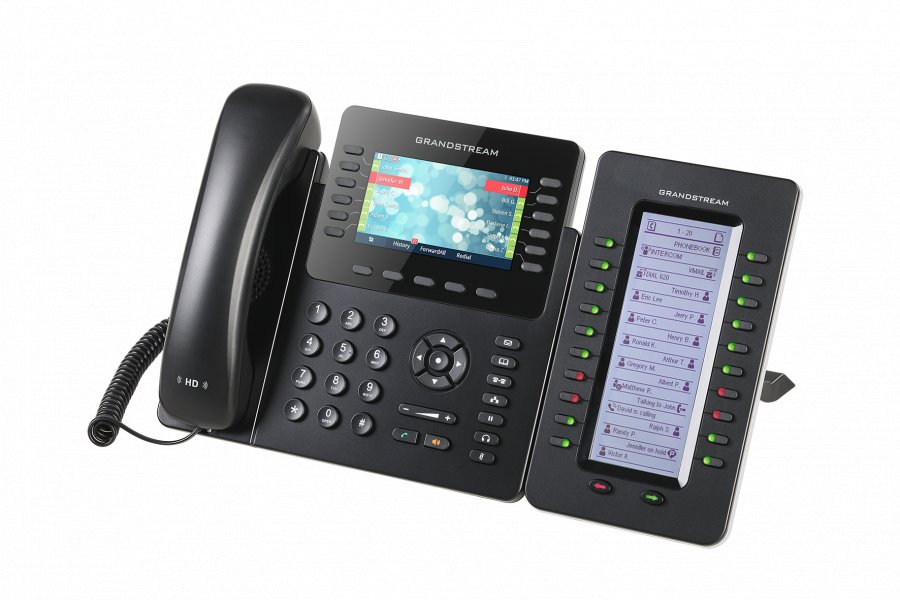
Revolutionize Your Communication with Grandstream’s Innovative Devices and Solutions
Grandstream’s suite of devices and solutions is built to elevate business communication by making it smarter, more reliable, and easier to manage, especially for growing organizations. Their IP phones, particularly the GRP series, are designed for mass deployment, offering high-quality audio, intuitive interfaces, and robust features that support large-scale setups without sacrificing user experience. These devices are engineered to integrate seamlessly with modern networks, providing a foundation for efficient and personalized communication workflows.
One of the standout advantages of Grandstream’s offerings is their cloud-based management platform, GDMS. This centralized interface allows IT teams to configure, monitor, and update hundreds of devices remotely, dramatically simplifying deployment and ongoing maintenance. With this level of control, organizations can roll out new features, troubleshoot issues, or scale their systems without the need for time-consuming on-site visits. It’s a game-changer for businesses aiming to expand quickly while maintaining operational consistency.
Grandstream’s devices excel in compatibility and ease of integration. Many IP phones support Power over Ethernet (PoE), reducing clutter and installation complexity by combining power and data transmission in a single cable. This not only speeds up deployment but also minimizes disruptions. Their high-definition audio quality and programmable keys ensure that users can handle calls efficiently, whether in a small office or a sprawling enterprise environment. The result is a more seamless communication experience that keeps internal teams connected and external clients satisfied.
Scalability is at the core of Grandstream’s approach. Their systems are designed to grow with your business. Adding new devices or expanding existing setups is straightforward, thanks to the cloud management tools that allow remote configurations and updates. This flexibility means you can adapt your communication infrastructure to meet evolving needs without the costly and disruptive process of replacing entire systems. It supports a gradual, cost-effective expansion that keeps your network agile and responsive.
Security and network performance are also priorities in Grandstream’s solutions. Many of their devices come equipped with Quality of Service (QoS) features, which prioritize voice traffic over other data to ensure clear, uninterrupted calls even during busy network periods. Encryption and secure provisioning protect sensitive conversations from cyber threats, while regular firmware updates fix vulnerabilities and enhance functionality. These practices create a resilient, high-quality communication environment that can withstand the demands of modern business operations.
Managing a large or distributed network becomes remarkably straightforward with Grandstream’s cloud platforms. Their management tools enable remote monitoring of device health, quick deployment of updates, and real-time troubleshooting—all from a single dashboard. This reduces the need for on-site technical support and accelerates issue resolution, ensuring minimal downtime and consistent service across multiple locations. For organizations with remote or multi-site teams, this level of control is essential for maintaining operational continuity.
Choosing Grandstream means more than just acquiring hardware; it’s about adopting a comprehensive communication ecosystem tailored to your specific needs. Whether integrating with CRM systems, customizing call routing, or deploying video conferencing, their devices and solutions support a wide range of features that streamline workflows and enhance the user experience. This personalization leads to more efficient operations, fewer operational hiccups, and a stronger overall connection with your customers and teams.