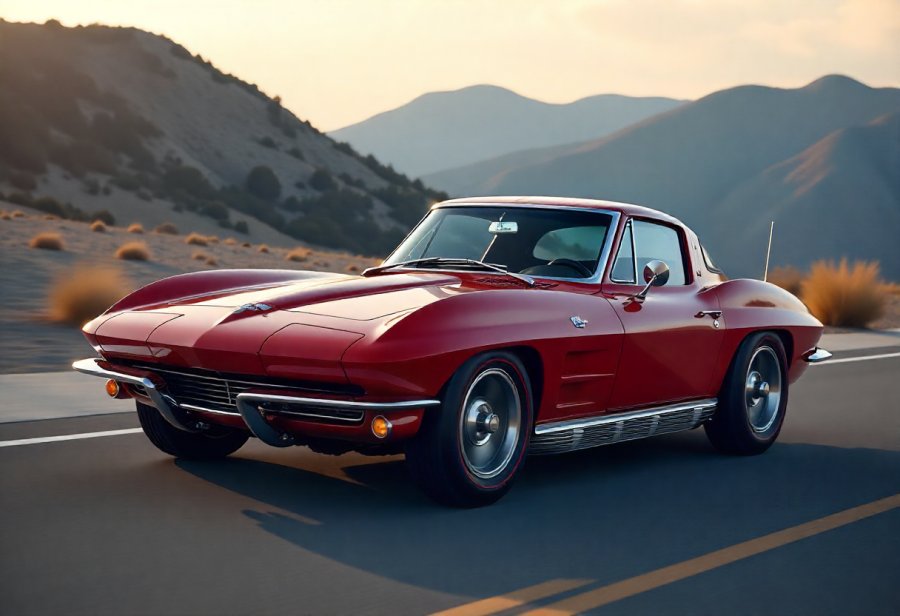
Step back into the roaring heart of the 1970s muscle car era with the iconic Chevrolet SS, a symbol of American daring and power. Its bold lines, aggressive styling, and thunderous V8 engines captured more than just horsepower—they embodied rebellion, craftsmanship, and freedom. But what if these legends could be revived and reimagined for modern roads? This guide explores how to preserve their raw spirit through authentic restoration, modern upgrades, and community-driven passion. From meticulously matching period-correct details to blending contemporary performance enhancements, enthusiasts are pushing boundaries while honoring tradition. Yet, amidst nostalgia, a new wave of innovation emerges—electric muscle cars and cutting-edge designs inspired by this golden age. The question remains: can the timeless swagger of the 1970s Chevrolet SS continue to inspire future generations? One thing is certain: the legacy of these muscle cars is more than a relic—it’s a relentless pursuit of boldness that still roars today.
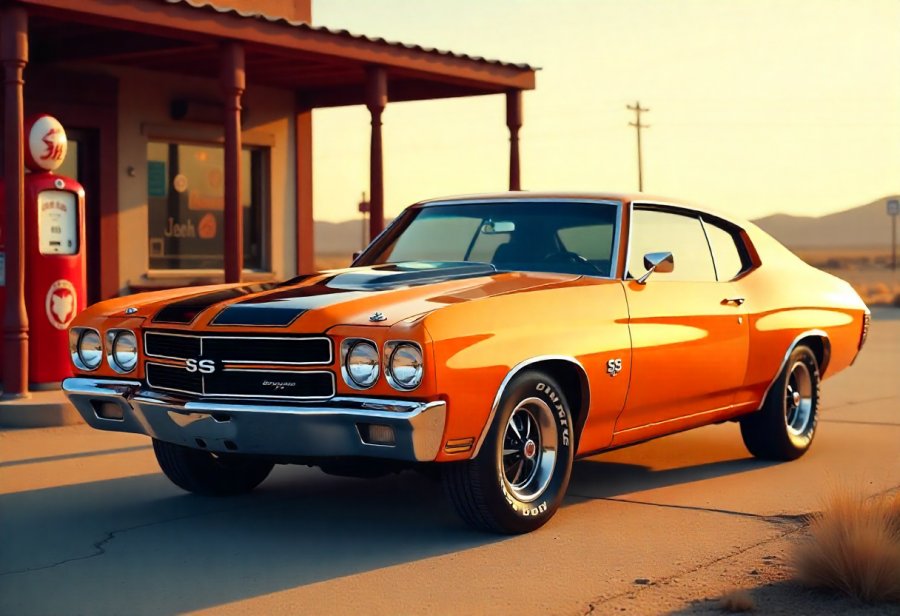
Unleashing the Legend: The 1970s Chevrolet SS and Its Bold Heritage
The 1970s Chevrolet SS stands as a flagship of America’s muscle car golden age, capturing the bold spirit and raw power that defined an era. These cars weren’t just about getting from point A to B—they were about making a statement. With their muscular lines, aggressive styling, and thunderous engines, they commanded attention on every street and highway they graced. The Chevelle SS 454, in particular, became a symbol of unbridled performance and daring design, embodying the muscle car’s rebellious soul.
This period was marked by a fascination with horsepower and performance that pushed automakers to innovate relentlessly. Cars like the Chevrolet SS became icons, blending eye-catching aesthetics with engineering feats that delivered exhilarating speed. They reflected a cultural desire to stand out, to challenge norms, and to celebrate American craftsmanship at its most daring. In a landscape dominated by muscle, the Chevy SS carved out its own legendary niche.
Understanding the significance of the Chevrolet SS from this era reveals more than just its specifications; it offers insight into a time when cars were a form of personal expression. These vehicles symbolized freedom, individuality, and a refusal to conform—traits that still resonate with enthusiasts today. Their presence in movies, music, and media further cemented their status as cultural icons, representing more than just horsepower but a broader attitude of rebellion and independence.
Despite economic challenges like rising fuel prices and tighter emissions regulations, the muscle car movement persisted. Automakers continued to refine their designs, tuning engines and updating styles to maintain their edge. The Chevrolet SS, with its bold aesthetics and powerful engine options, exemplified this resilience, standing as a testament to American ingenuity and the enduring appeal of muscle cars.
Today, these classics are more than vintage vehicles; they are cherished pieces of history. Restoring and preserving the Chevrolet SS isn’t just about nostalgia—it’s about keeping alive a legacy of daring innovation and boldness. Car shows, clubs, and private collections keep the spirit of the 1970s muscle car era vibrant, connecting new generations with the daring attitude that made these cars legendary.
Exploring the story of the Chevrolet SS offers a window into a time when automotive design was about pushing limits and celebrating power. Its roar still echoes in modern performance cars, inspiring designers and enthusiasts alike. The 1970s muscle car is more than a relic; it’s an enduring symbol of American daring—an invitation to embrace boldness and craftsmanship in every mile driven.
From Roots to Roar: The Evolution of Muscle Cars Into the 1970s
Muscle cars didn’t spring into existence overnight; they evolved through a dynamic shift in American automotive design during the early 1960s. Automakers began emphasizing high-performance vehicles that balanced raw power with a sense of affordability, capturing the imagination of young drivers eager to stand out. This era marked a move away from traditional sedans toward bold, aggressive machines designed to turn heads and deliver adrenaline-pumping speed. The muscular lines and imposing engines of these early models signaled a new attitude—one rooted in daring engineering and a rebellious spirit.
Chevrolet, along with brands like Pontiac, Dodge, and Plymouth, was quick to embrace this trend. Models like the Chevelle SS, GTO, and Charger became symbols of the muscle car movement, showcasing large V8 engines paired with striking, aggressive styling. These cars weren’t simply about horsepower; they communicated a bold statement of American ingenuity and a desire to push performance boundaries. Their design cues—such as cowl-induction hoods, racing stripes, and wide stance wheels—became visual indicators of their racing-inspired capabilities, making them instantly recognizable icons.
By the late 1960s, muscle cars had transcended their utilitarian roots to become full-blown cultural phenomena. Automakers pushed engine sizes to new heights, fitting their cars with big-block V8s capable of producing over 400 horsepower. These vehicles also adopted aesthetic enhancements like bold paint schemes, racing stripes, and aerodynamic features, all signaling their performance prowess. Their presence in movies, music, and media further cemented their reputation as symbols of freedom, rebellion, and adventure, fueling a community of enthusiasts and collectors.
However, this golden era faced mounting challenges. Rising fuel prices, stricter emissions regulations, and insurance costs began to impose limits on engine displacements. Manufacturers responded by detuning engines and shrinking displacements, but the core muscle car culture persisted. They adapted by refining suspension systems, aerodynamics, and transmission options, balancing raw power with handling and safety. The debut of the Chevrolet Chevelle SS 454 in 1970 marked the peak of this evolution, showcasing engines that delivered massive horsepower wrapped in bold, muscular styling.
Throughout the 1960s, muscle cars continued to develop as engineering and design innovations pushed their performance to new heights. These refinements made the cars more refined yet still fiercely raw, embodying the spirit of daring and innovation. The era laid the groundwork for future performance vehicles, with the muscle car’s legacy rooted in a relentless pursuit of speed, style, and American ingenuity that continues to inspire to this day.
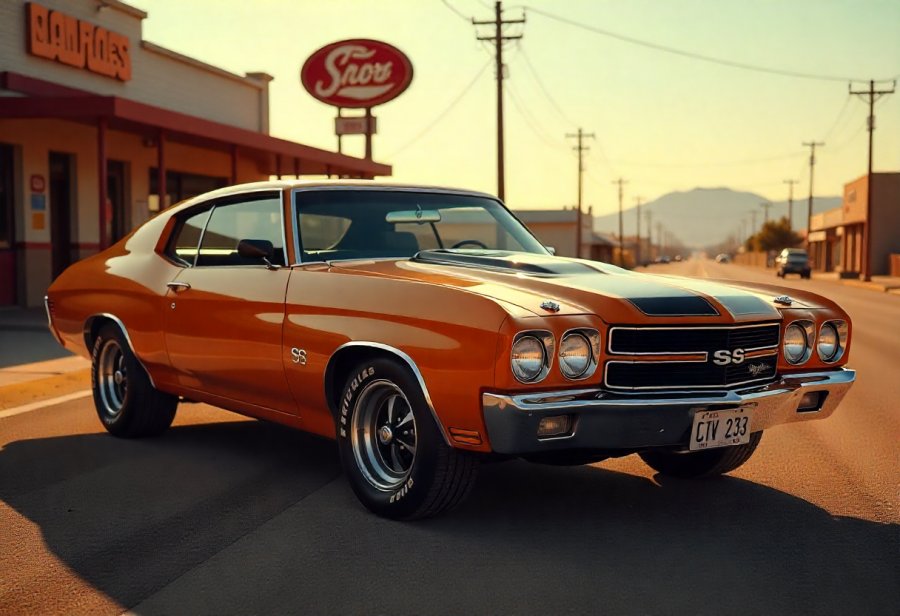
Icons of Rebellion: How the Chevrolet SS Embodied American Muscle Car Culture
The Chevrolet SS of the 1970s transcended its role as a high-performance vehicle to become a powerful symbol of American muscle car culture. Its bold, muscular design—wide stance, aggressive lines, and standout features like racing stripes and prominent emblems—immediately conveyed strength and speed. These aesthetic choices weren’t just about looks; they made a statement, projecting power before the engine even roared to life. Enthusiasts saw more than a car—they saw a declaration of rebellion, craftsmanship, and pride in American engineering.
This sense of identity extended far beyond the driveway. Muscle cars like the Chevrolet SS became cultural icons, frequently appearing in movies, music, and media that celebrated freedom and daring. Their deep, thunderous exhaust notes and striking visuals made them symbols of independence, capturing the imagination of a generation eager to push boundaries. Seeing a vintage Chevelle or Camaro on screen or in a photo instantly evokes the spirit of adventure and nonconformity that defined the era.
For many, these cars are nostalgic touchstones—embodying more than horsepower. They evoke memories of open roads, carefree days, and the thrill of rebellion. The gleam of polished chrome, the roar of a big-block engine, and the bold styling cues stir a sense of daring that still resonates today. Owning or simply admiring these vehicles becomes a way to connect with that bold, unfiltered attitude of the 1970s.
Media representations further cement their legendary status. Films like “Bullitt” and TV classics like “Dukes of Hazzard” portray muscle cars as symbols of speed, independence, and adventure. These images helped embed the Chevrolet SS into the collective consciousness as more than just a machine—they became enduring icons of daring and craftsmanship. Their presence in pop culture keeps their legacy alive and relevant, inspiring new generations to appreciate their boldness.
Beyond their aesthetic appeal, these cars embody a rebellious spirit that continues to inspire enthusiasts and collectors worldwide. Restoring and preserving a Chevrolet SS isn’t merely about nostalgia; it’s about safeguarding a piece of American history. The gleam of restored chrome and the rumble of a rebuilt engine serve as a living tribute to the daring attitude that defined an era of fearless innovation.
The cultural and aesthetic significance of the Chevrolet SS lies in its ability to symbolize more than just horsepower. It represents a bold attitude, craftsmanship, and the unyielding American spirit of pushing boundaries. These cars are timeless icons that continue to inspire, reminding us that true style and power are forever intertwined with daring individuality.
Keeping the Spirit Alive: Restoring and Reviving 1970s Muscle Car Power Today
Reviving the power and style of 1970s muscle cars today involves a blend of authenticity and modern innovation. Restoring vintage models to their original glory is a popular way to capture that iconic look, with attention to details like period-correct paint colors, racing stripes, and classic wheels. Using advanced tools such as computer-aided design and modern diagnostics not only ensures safety and reliability but also keeps the vintage aesthetic intact, bridging the gap between past and present.
Getting involved in the muscle car scene is easier than ever. Attending local car shows or joining dedicated clubs provides opportunities to see well-restored classics up close, exchange ideas, and learn from fellow enthusiasts. Many owners enhance their cars by adding modern performance upgrades—such as improved suspensions, modern brakes, or fuel-injected engines—that boost handling and efficiency without sacrificing the vintage appearance. These modifications make driving these cars on today’s roads more enjoyable and safe, all while preserving their authentic style.
Restoration and customization go hand-in-hand as acts of preserving history. Resources like detailed manuals, online forums, and expert workshops are widely available to guide projects from start to finish. Sourcing authentic or high-quality reproduction parts is crucial for maintaining both value and performance. Engaging with a community of enthusiasts adds invaluable insights, whether it’s troubleshooting technical issues or finding rare components. With patience and a keen eye for detail, bringing a vintage muscle car back to life transforms it into a living tribute to America’s golden age of horsepower.
Of course, restoring these classics isn’t without challenges. Some owners risk compromising safety by retaining outdated wiring or brakes, while others might choose low-quality parts that affect performance and longevity. Verifying a vehicle’s history and documentation helps protect its authenticity and value. Striking a balance between preserving original features and installing necessary modern upgrades ensures that these cars remain both true to their roots and reliable for modern use.
Thanks to today’s tools, resources, and passionate communities, celebrating and maintaining these legendary vehicles has never been more accessible. High-quality reproduction parts, online guides, and local events make it easier to keep the spirit of 1970s muscle cars alive. Every restoration and customization not only preserves history but also fuels ongoing innovation, proving that the boldness and power of these cars continue to inspire new generations. Embracing their legacy means keeping alive the roar of the golden age of American horsepower for years to come.
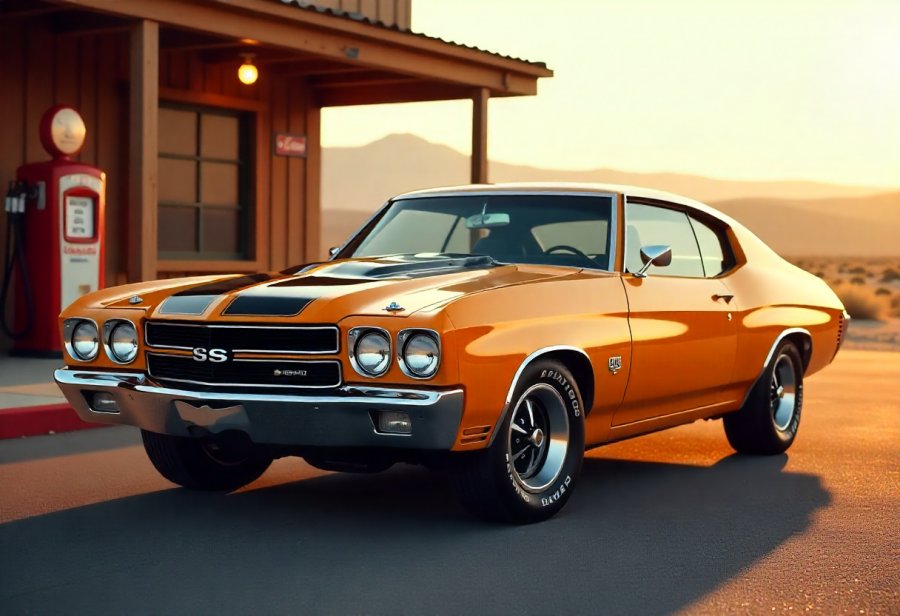
Legacy and Future: The Enduring Impact of the 1970s Chevrolet SS in Automotive History
The 1970s Chevrolet SS stands as a lasting symbol of American muscle car greatness, embodying an era defined by bold design, unrestrained power, and a rebellious spirit. Its significance extends beyond impressive performance figures; it captures the daring attitude and craftsmanship that made the muscle car movement iconic. These vehicles weren’t just about speed—they represented a declaration of independence and individualism that still resonates today.
What makes the Chevrolet SS timeless is its ability to evoke nostalgia while continuing to inspire innovation. Its aggressive lines, thunderous engines, and unmistakable presence serve as reminders of a time when car manufacturers dared to dream big and push boundaries. The legacy of these cars is woven into the fabric of automotive history, influencing modern performance vehicles and fueling the passion of enthusiasts and designers alike.
Today, a dedicated community of restorers, collectors, and fans keeps the spirit of the muscle car alive. Through meticulous restorations, recreations, and modern reinterpretations, they ensure that the roar of the 1970s muscle cars remains vibrant. Car shows, online forums, and museums serve as hubs for sharing stories, technical insights, and inspiration—each effort reinforcing the enduring appeal of these icons.
The influence of the Chevrolet SS extends into the future, where new innovations draw from its rebellious legacy. Today’s manufacturers blend vintage aesthetics with cutting-edge technology, exploring electric muscle cars and high-performance models that pay homage to that daring era. This dialogue between past and present highlights how the boldness and power of muscle cars remain relevant, adapting to a changing world while staying true to their core identity.
Enthusiasts and communities play a vital role in this ongoing legacy. Their passion drives restoration projects, custom builds, and preservation efforts that push the boundaries of what these cars stand for. Each effort not only preserves history but also propels it forward, ensuring that the roar of the 1970s muscle cars continues to inspire future generations.
Beyond their technical prowess, these cars symbolize daring innovation, cultural pride, and the unyielding American spirit. As new generations discover and celebrate these vehicles, their legacy grows stronger, fueling creative design and high-performance engineering. The spirit that defined the golden age of muscle cars is alive and well, constantly evolving but never losing its bold heart.
This ongoing appreciation keeps the story of the Chevrolet SS vibrant and relevant. Every restoration, every custom build, and every shared story adds to a collective effort to honor a legendary chapter in automotive history. The roar of that era echoes in today’s high-performance vehicles, reminding us that true style and power are timeless, always ready to accelerate into the future.
In the end, the Chevrolet SS from the 1970s is more than a vehicle; it’s a symbol of daring craftsmanship, cultural pride, and unrelenting innovation. Its legacy is a testament to the American spirit of pushing boundaries and celebrating individuality. As new enthusiasts embrace its history and adapt its boldness to modern contexts, the legend will continue to inspire, reminding us that the essence of muscle cars—power, style, and rebellion—never truly fades.