Few moments evoke greater joy than a dog’s outdoor walk—an experience that blends instinct, exploration, and deep companionship. These outings are more than just exercise; they ignite a dog’s senses, offering mental stimulation and emotional fulfillment amid natural surroundings. But why do these simple routines resonate so profoundly with both pets and owners? As urban spaces evolve, so do practices and attitudes toward outdoor activity, emphasizing thoughtful design, safety, and community bonding. Innovations like smart technology and eco-friendly gear promise to redefine future adventures, transforming routine walks into tailored journeys of discovery. Could these advancements deepen the trust and confidence between dogs and their humans even further? Ultimately, every walk becomes a meaningful ritual—an essential thread in the fabric of a joyful, balanced life—reminding us that the simplest outdoor moments often hold the greatest happiness.
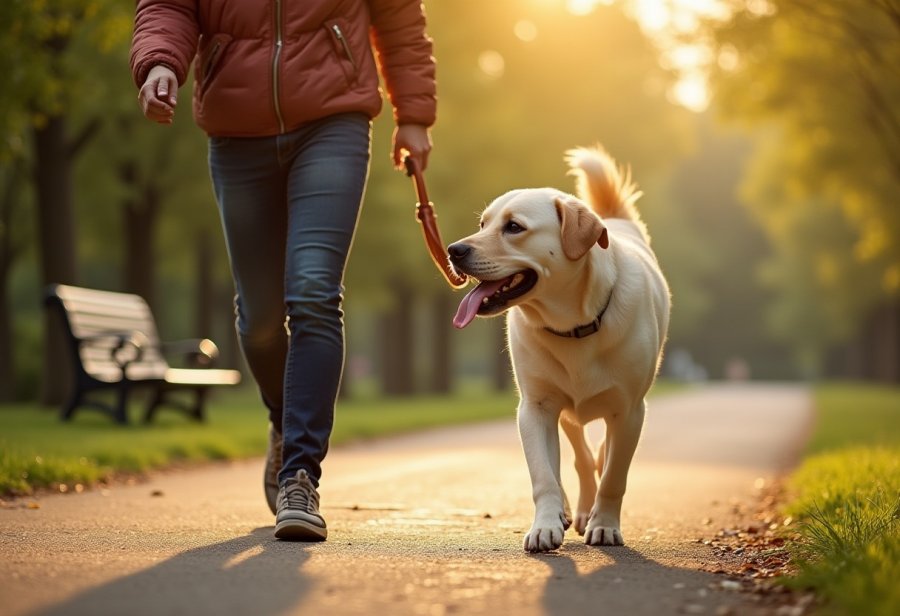
Discover the Joys of Outdoor Walks with Your Dog
Few moments in a dog’s day bring more pure joy than stepping outside for a walk. These outings are about more than just exercise; they’re an invitation for dogs to indulge their senses and explore the world around them. Whether it’s the scent of blooming flowers, the sound of rustling leaves, or the sight of a distant squirrel, each walk becomes a small adventure that sparks curiosity and enthusiasm. This natural exploration taps into a dog’s instincts and provides a sense of fulfillment that’s hard to match.
For owners, outdoor walks offer a rare chance to pause and connect with their pets. In our busy lives, these routines become a peaceful ritual—a moment to slow down and truly observe the happiness radiating from their dogs. Watching a wagging tail or a nose twitch at a new scent reminds us how simple pleasures can deepen our bond. Over time, these shared experiences turn into a foundation of trust and affection, making every walk more than just a routine.
Dogs are naturally wired to find joy in the outdoors. Their curiosity drives them to discover new environments, while the variety of sights, sounds, and smells keeps their minds engaged. These sensory-rich experiences are vital for their mental stimulation and emotional well-being. Exploring different terrains and sniffing every corner satisfies their primal need to learn and understand their surroundings, turning each outing into a meaningful journey.
Beyond the physical benefits, outdoor walks help foster confidence and calmness. The open space and fresh air create a peaceful setting that reduces stress for dogs and owners alike. As dogs navigate familiar or new paths, they learn to trust their owner’s guidance, strengthening their sense of safety. This mutual trust builds a relaxed, confident attitude that carries over into everyday life, making both pet and owner feel more connected and at ease.
In a world that often feels hurried and crowded, these outdoor moments stand out as simple, genuine sources of happiness. They remind us that the best things in life are often the simplest—an eager dog, a quiet trail, and the shared joy of discovery. These walks are more than exercise; they’re a celebration of companionship, curiosity, and the pure pleasures of being outdoors together.
Nature’s Role in Elevating Canine Happiness
Natural environments play a vital role in shaping a dog’s happiness during outdoor walks. Being in parks, forests, or open fields exposes dogs to a rich array of scents, sounds, and textures that stimulate their senses and keep their minds actively engaged. Unlike urban streets filled with noise and constant activity, these natural settings offer a variety of stimuli that tap into a dog’s innate instincts to explore and learn. When a dog sniffs at a tree or wanders along a trail, they’re processing a flood of information that sharpens their mental acuity and promotes overall well-being.
The physical benefits of exploring natural terrains are equally significant. Dirt paths, grassy meadows, and wooded areas encourage dogs to move freely and naturally at their own pace. Navigating uneven surfaces or climbing over roots challenges their muscles and joints in ways paved sidewalks cannot. These terrains make exercise more enjoyable and less monotonous, turning walks into stimulating adventures that support their physical health while satisfying their instinctual need to explore.
The calming influence of nature on dogs is profound. The shade of trees, the gentle rustling of leaves, and the fresh, clean air create a peaceful environment that can significantly reduce stress and anxiety. Many dogs exhibit increased relaxation in green spaces compared to noisy, crowded streets. This serenity benefits their mental health, helping them feel safe and more at ease. For owners, sharing these tranquil moments fosters a sense of calm and strengthens the bond through shared discovery and quiet companionship.
Natural settings also enhance trust and confidence between dogs and their owners. Exploring new trails or revisiting familiar paths together builds shared experiences rooted in mutual trust. When dogs rely on their owners to navigate these outdoor environments, they learn to look to them for reassurance, which boosts their confidence. As they become more comfortable in green spaces, their self-assurance grows, making future outings more relaxed and enjoyable for everyone involved.
Beyond the physical and emotional benefits, nature-rich environments offer endless opportunities for mental stimulation. Sniffing new scents, observing different sights, and hearing unfamiliar sounds keep a dog’s brain active. Owners can introduce scent games or simple obedience cues during walks, turning outdoor exploration into engaging training sessions. These activities not only entertain but also reinforce a dog’s trust in their owner, deepening the connection and making every walk a meaningful adventure.
In essence, immersing dogs in nature transforms routine walks into holistic experiences that nurture their body, mind, and spirit. These outdoor moments are more than just physical activity—they’re opportunities for discovery, relaxation, and bonding. Embracing natural environments during walks helps create a balanced, joyful life for dogs and their owners, reminding us that the simplest moments outdoors can be the most profound.
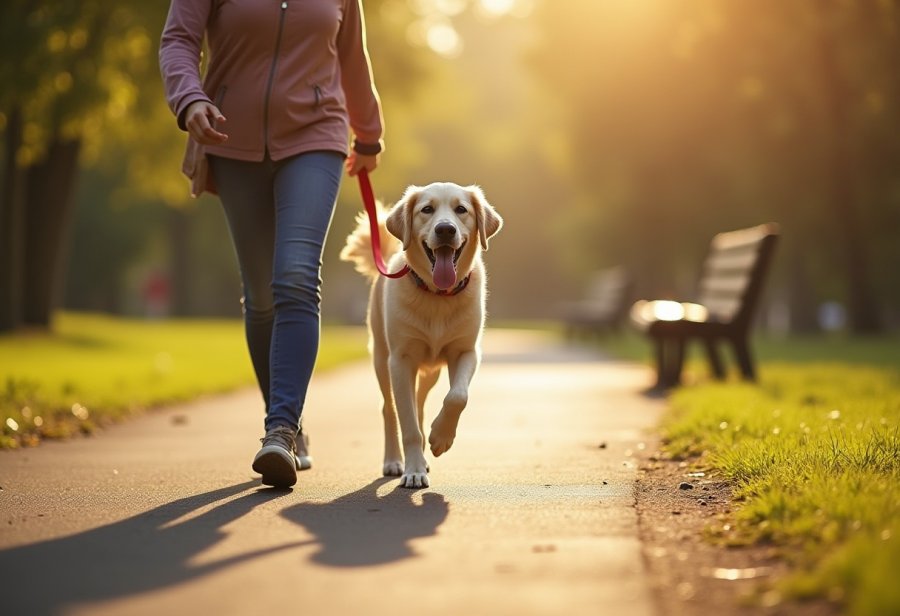
Evolving Practices and Changing Attitudes Toward Dog Walking
Today, dog walking routines have evolved to become more thoughtful and deliberate, reflecting a growing awareness of how outdoor activity benefits pets beyond basic exercise. Many owners now prioritize daily outings, selecting parks, trails, or dedicated dog-friendly spaces that encourage exploration and safe socialization. Leash training remains a common practice, ensuring dogs can enjoy freedom while staying secure, and emphasizing the importance of controlled movement to foster trust and discipline. These routines have shifted from simple walks to enriching experiences that support mental stimulation and emotional health, making outdoor time a vital part of daily life.
Society’s attitudes towards outdoor activity with dogs have also seen a positive shift. More communities now recognize the value of open spaces where dogs can play off-leash or interact responsibly with other pets. Many urban areas have developed designated off-leash zones and dog parks, emphasizing responsible exploration and social bonding. This change highlights a broader understanding that outdoor adventures are essential for a dog’s happiness, confidence, and overall well-being. What was once seen as a routine obligation now often feels like an opportunity for meaningful engagement and growth.
Innovative practices such as group walks and organized dog meetups have gained popularity, creating social opportunities for dogs and owners alike. These gatherings help dogs develop better social skills, reduce loneliness, and foster a sense of community among pet owners. Meanwhile, technology plays an increasing role, with GPS-enabled collars and smartphone apps allowing owners to track activity levels, discover new routes, and plan tailored outings. These tools make outdoor routines more engaging, personalized, and easier to manage, ensuring each walk suits the individual needs of the dog.
Despite these advancements, safety concerns and leash laws still influence how owners approach outdoor activities, especially in busy urban environments. Traffic, unpredictable encounters, and other animals require vigilant supervision and responsible training. While many parks now offer off-leash zones, access remains uneven, prompting owners to balance freedom with caution. Responsible handling and the use of designated safe spaces help ensure dogs enjoy outdoor adventures without unnecessary risks, fostering a sense of trust and safety during every outing.
The trend toward more enriching outdoor experiences continues to grow, with owners seeking nature trails, eco-friendly gear, and outdoor events designed specifically for dogs. Innovations like sustainable harnesses, biodegradable waste bags, and smart technology are making walks safer, more comfortable, and environmentally conscious. These efforts reflect a collective move towards nurturing our pets’ physical and mental health while respecting the environment, turning routine walks into opportunities for discovery and bonding.
Looking ahead, the future of dog walks promises greater integration of technology, community initiatives, and thoughtful park design. Urban parks are expanding features such as agility zones, shaded rest areas, and water stations, making outdoor adventures more fun and accessible within city limits. Smart devices will increasingly allow owners to monitor their dogs’ health and activity in real-time, adjusting routines to suit individual needs. Virtual and augmented reality could add new dimensions to outdoor exploration, making walks more stimulating and engaging for dogs of all personalities.
As outdoor spaces become smarter and more inclusive, the focus remains on balancing innovation with responsibility. Creating safe, engaging, and sustainable environments ensures dogs can enjoy the outdoors fully, strengthening their trust and confidence. These developments will help deepen the bond between dogs and their owners, turning everyday walks into meaningful journeys of discovery and joy—reminding us that the simplest outdoor moments often hold the greatest happiness.
Practical Strategies to Integrate Outdoor Walks into Daily Life
Integrating outdoor walks into daily routines can make a significant difference in a dog’s overall well-being. Establishing a consistent schedule—whether early morning or evening—creates a sense of stability that dogs come to expect and enjoy. Familiar routes through local parks or neighborhoods help your pet feel secure and eager for each outing, turning walks into predictable moments of joy. Timing these walks to avoid the heat of midday or crowded times ensures a calm, relaxed experience for both you and your dog.
Using the right gear can transform walks from chores into comfortable adventures. A well-fitting harness distributes pressure evenly, reducing strain during energetic pulls, while a sturdy leash keeps your dog safe without restricting their natural curiosity. Carrying essentials like water, waste bags, and reflective gear prepares you for any situation, making the outing more enjoyable and stress-free. When your dog feels safe and comfortable, they’ll look forward to these moments with enthusiasm.
Beyond physical exercise, outdoor walks serve as mental stimulation that keeps your dog’s mind sharp. Exploring new scents and sights stimulates their senses and prevents boredom. Incorporating simple activities like scent games or obedience cues during walks can turn routine outings into engaging training sessions. These mental challenges boost confidence and reinforce your bond, making each walk not just a physical activity but a shared adventure.
Planning ahead and maintaining consistency are key to turning walks into positive routines. Regular schedules help your dog anticipate and look forward to each outing, fostering a sense of security. Varying routes periodically keeps things fresh, encouraging curiosity and exploration. Small routines—such as starting each walk with a specific command or ending with a treat—further strengthen your connection and make walks something your dog eagerly anticipates.
Paying close attention to your dog’s signals during walks enhances the experience for both of you. If they seem hesitant or stressed, consider adjusting your pace, choosing quieter locations, or taking more frequent breaks. Respecting their comfort levels ensures outdoor adventures remain positive and safe. Over time, these thoughtful touches help turn walks into shared moments of joy rather than routine chores.
By approaching outdoor walks with planning and mindfulness, you’re offering your dog more than just physical activity. These moments of exploration and connection nurture their emotional health, build trust, and reinforce your bond. When routines are thoughtfully integrated and flexible enough to adapt to your dog’s needs, walks become meaningful experiences that enrich both your lives.
In the end, consistent, well-planned outdoor walks aren’t just about exercise—they’re about fostering happiness, curiosity, and trust. They transform everyday outings into opportunities for discovery and bonding, turning simple outdoor moments into the foundation of a joyful, balanced life for your dog.
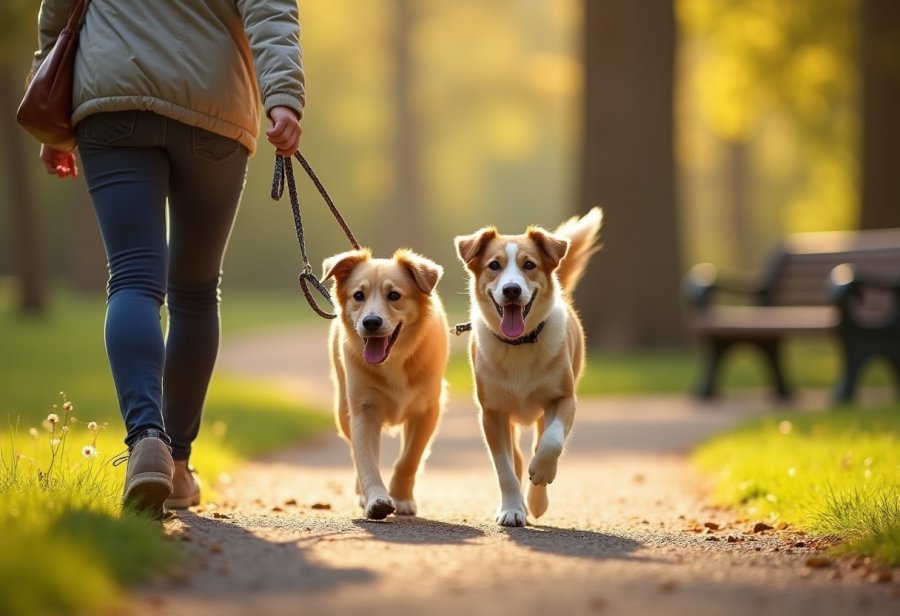
Future Trends and Innovations in Dog Walking Adventures
Looking ahead, the future of dog walks is set to become more innovative and personalized, blending technology, community efforts, and thoughtful design to elevate outdoor experiences for pets and their owners. Urban parks are expanding with features like agility zones, shaded rest areas, and water stations, making outdoor adventures more engaging and accessible within city environments. These spaces aim to balance safety with freedom, giving dogs more room to explore responsibly while enjoying nature’s benefits.
Advances in technology will likely revolutionize how we plan and monitor outdoor activities. GPS collars and smart devices will provide real-time insights into a dog’s location, activity levels, and health, allowing owners to customize walks according to their pet’s specific needs. Smartphone apps will make discovering new trails, connecting with other pet owners, and tracking progress easier than ever, turning every outing into a tailored, social experience.
Community initiatives will continue to grow, fostering a culture of shared outdoor happiness. Cities investing in dog-friendly parks and organized events like group walks or outdoor training sessions will strengthen bonds among pet owners and create more opportunities for dogs to socialize and develop confidence. These gatherings help reduce loneliness, encourage responsible exploration, and promote a sense of collective responsibility for maintaining safe, welcoming spaces.
Designing parks with the future in mind involves creating environments that challenge dogs both physically and mentally. Interactive features like scent trails, obstacle courses, and even digital elements could transform parks into playgrounds that stimulate their senses and build confidence. Integrating natural elements with innovative design ensures these spaces meet the evolving needs of dogs, offering safe, engaging, and sustainable environments for daily adventures.
Eco-conscious practices will shape the future of outdoor routines. Owners are increasingly opting for biodegradable waste bags, sustainable harnesses, and eco-friendly toys, reducing their environmental footprint. Maintaining clean, responsibly managed parks and trails not only preserves these outdoor spaces but also deepens the shared commitment to sustainability, ensuring that future generations of dogs and owners can enjoy the outdoors responsibly.
As cities become smarter and more connected, the integration of virtual and augmented reality could redefine outdoor exploration. Imagine apps that introduce scent challenges or interactive games during walks, turning routine outings into multi-sensory adventures. These innovations aim to keep outdoor routines fresh and exciting, catering to each dog’s personality and needs, and deepening the bond between pet and owner while fostering a love for discovery that lasts.