The backyard mechanic’s garage is more than just a workspace—it’s a sanctuary of passion, craftsmanship, and personal expression. This intimate environment transforms routine repairs into heartfelt stories of transformation, where patience and ingenuity turn rusty relics into vibrant classics. Yet, what hidden techniques and secret hacks elevate these projects beyond simple restoration? As technology advances, modern tools like digital diagnostics, 3D printing, and eco-friendly materials are redefining what’s possible for home enthusiasts. The scene is evolving toward a seamless blend of tradition and innovation, fostering a community that shares tips and ideas across borders. But with these innovations come questions: How will sustainability and digital mastery shape the future of backyard restoration? What new levels of creativity and precision are within reach for the dedicated hobbyist? In this space of endless potential, passion fuels progress, turning every project into a story of love, skill, and discovery.
Discover the Soul of Your Home Garage Sanctuary
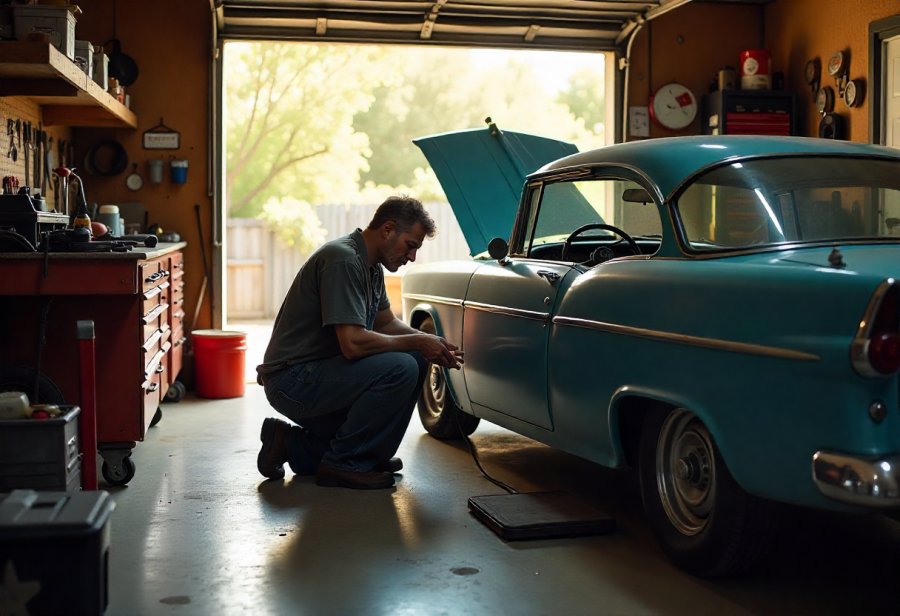
There’s something uniquely satisfying about a home mechanic’s garage that extends beyond the act of fixing cars. It’s a space where passion and craftsmanship merge, creating a sanctuary dedicated to hands-on work and personal expression. The faint scent of oil, the rhythmic clink of tools, and the organized chaos of a cluttered workbench all contribute to an environment that feels almost alive. Here, hours slip by unnoticed as engines are tuned, vintage parts are restored, and new ideas take shape.
This garage isn’t just a workshop; it’s a haven for emotional connection. Every project tells a story—late nights driven by determination, small victories celebrated quietly, and moments of pride that come from breathing new life into an old machine. Restoring a vintage vehicle becomes more than a task; it’s a tribute to craftsmanship passed down through generations and a way to honor the beauty of mechanical art. Each bolt tightened and surface polished reflects a dedication that’s as personal as it is technical.
Beyond the tools and parts, the garage stands as a space for self-expression. Many home mechanics craft their own tools, develop unique techniques, or repurpose materials in inventive ways. These personal hacks, learned through trial and error, add a layer of artistry to each project. The garage transforms into a canvas where patience, skill, and creativity come together, turning routine repairs into satisfying puzzles and personal masterpieces.
The emotional significance of this space also extends to community. Sharing tips, stories, and advice with fellow enthusiasts fosters a sense of belonging. Whether through local meetups or online forums, these connections reinforce that backyard restoration is more than a solo pursuit—it’s part of a passionate, collective effort. This community spirit fuels continuous learning and keeps the flame of craftsmanship alive.
Ultimately, the backyard garage is more than a place to fix cars. It’s a sanctuary where patience, skill, and passion come together to create something meaningful. It’s where machines are reborn and stories are written—each project a testament to the love of craftsmanship and the joy of transformation. In this space, passion isn’t just a feeling; it’s a way of life.
Uncover Hidden Techniques and Personal Hacks of Backyard Restorers
Behind every backyard restoration lies a treasure trove of hidden techniques and personal hacks that elevate the craft beyond simple repairs. Experienced home mechanics develop a sharp eye for detail, often crafting their own tools or shortcuts that save time and effort. For example, homemade jigs made from scrap materials help realign body panels or straighten frames with surprising precision. Repurposed parts, such as broken components turned into testing tools or clamps, showcase a resourcefulness born from years of hands-on trial and error.
Many backyard enthusiasts have their own set of secret tricks, passed down through stories or shared in online communities. Magnets are frequently used to hold tiny screws and nails in place during assembly, preventing frustrating losses. Custom tools—like heat guns repurposed for paint stripping or homemade impact drivers—make complex tasks more manageable. These clever solutions aren’t just about convenience—they’re a testament to a deep understanding of mechanics and a willingness to experiment, turning routine repairs into personalized projects of mastery.
The engine often becomes more than just a machine; it’s a partner in the restoration journey. Hours spent tuning, troubleshooting, and coaxing life back into a silent, rusted block forge a bond that’s hard to describe. When an engine finally roars to life after weeks of patience, that moment becomes a personal victory—more meaningful than any shop’s success story. Each spark of ignition reflects a blend of technical skill and emotional investment, making the process as much about connection as craftsmanship.
Tools are another key to backyard success. While a basic set of wrenches and screwdrivers is essential, many mechanics craft or adapt their own equipment. Impact wrenches, torque tools, and pullers are often homemade or modified, tailored precisely to each project’s needs. This adaptability allows hobbyists to work more efficiently and confidently, turning difficult tasks into achievable challenges. The real secret lies in knowing how to innovate on the fly, using what’s available to solve problems creatively.
Focus on core areas—engine performance, bodywork, and electrical wiring—ensures a successful restoration. Carefully rebuilding an engine, straightening panels, and rewiring electrical systems require patience and meticulous attention. The satisfaction comes from transforming a neglected relic into a dependable, eye-catching classic. Every detail, from bolt placement to paint finish, reflects a craftsman’s dedication and eye for quality, elevating each project beyond basic repair.
Challenges in sourcing parts or troubleshooting complex issues often test patience. Many backyard restorers find ingenious ways to overcome these hurdles, from fabricating custom parts to improvising repair techniques. Community advice, online forums, and shared tips become vital resources, turning obstacles into opportunities for innovation. This adaptive mindset not only accelerates progress but deepens the craft, making each problem a puzzle to solve rather than a setback.
In the end, these hidden aspects and secret techniques are what define the true spirit of backyard restoration. They embody a passion for craftsmanship rooted in ingenuity, patience, and a deep love for machines. It’s this blend of creativity and technical skill that transforms a simple repair into a personal work of art—proof that the secret to a great restoration isn’t just in the tools or parts, but in the heart and mind of the builder.
Explore the Cutting-Edge Trends Transforming Modern Backyard Garages
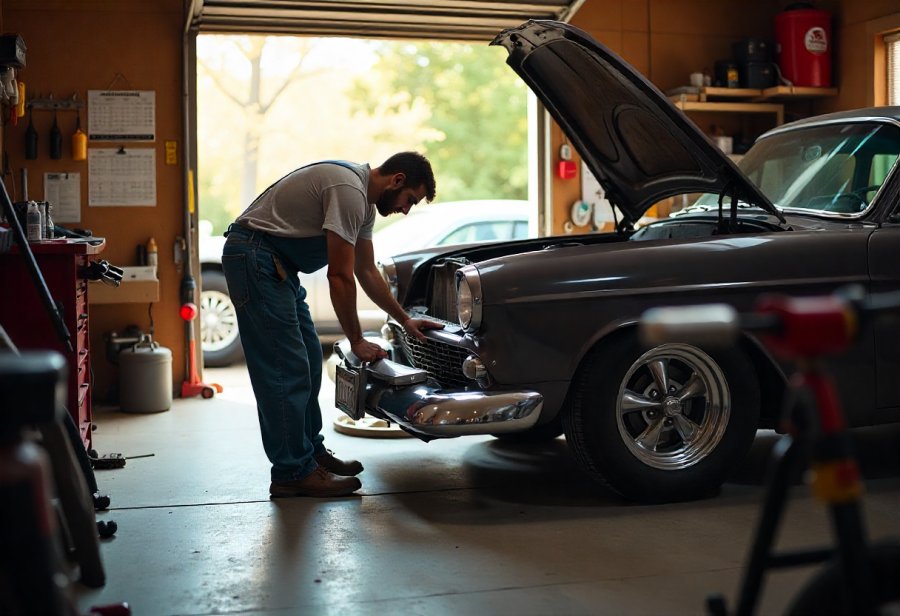
The landscape of the modern backyard garage has changed dramatically in recent years, turning it into a workspace that’s both more efficient and more inspiring. Hobbyists now benefit from an array of advanced tools and technologies that help streamline restoration projects and elevate craftsmanship. Digital diagnostic devices, once mainly found in professional shops, are now affordable and accessible, allowing backyard mechanics to quickly identify engine and electrical issues with greater accuracy. Connecting a portable scanner can save hours of guesswork, leading to faster, more precise repairs.
Alongside these technological upgrades, there’s a growing emphasis on sustainability. Many enthusiasts now prioritize eco-friendly paints, biodegradable solvents, and the reuse of parts whenever possible. This eco-conscious approach encourages creative thinking, pushing restorers to find innovative ways to breathe new life into vintage vehicles while minimizing environmental impact. It’s a mindset that blends traditional skills with modern values, making each project not only a restoration but also a statement of responsibility.
Technology continues to push the boundaries of what’s possible within a home garage. 3D printing, for example, has become a game changer, enabling hobbyists to produce custom parts that are difficult to source otherwise. With the ability to design and print replacement components with high precision, restorers can stay true to original specifications or customize their vehicles to reflect personal style. This capability reduces sourcing challenges and invites experimentation, turning each project into a unique reflection of creativity and technical mastery.
Workspace design has also evolved, with many garages now featuring bright LED lighting, portable lifts, and dedicated workbenches that make jobs safer and more comfortable. Digital project logs, parts inventories, and online repair guides help keep projects organized and on track, reducing frustration and saving time. These improvements foster a professional mindset that encourages more ambitious projects, pushing hobbyists to grow their skills and take on restorations once thought too complex for a home setup.
Community influence plays a vital role in shaping current trends. Online forums, social media groups, and virtual tutorials create a global network of enthusiasts sharing tips, techniques, and inspiration. This connectedness fuels innovation and keeps the scene vibrant, encouraging hobbyists to push boundaries and try new ideas. It’s a shared passion that accelerates learning and keeps the craft alive, proving that the modern backyard garage is as much a hub of collaboration as it is a workshop.
Looking ahead, advancements like lightweight materials and smarter electrical systems promise to make restorations safer, more reliable, and more integrated with modern technology. High-strength composites and improved battery management systems are making it easier to incorporate contemporary innovations without sacrificing authenticity. As these tools and materials become more affordable, even complex projects will be within reach of the dedicated home mechanic, ensuring that the backyard garage remains a space of continuous growth, creativity, and craftsmanship.
Turn Passion into Art: Mastering the Craft of Restoration
Turning a passion for vintage restoration into true craftsmanship means more than just fixing cars; it’s about transforming a hobby into a personal art form. Every project offers an opportunity to express your unique style and skill, blending technical expertise with creative flair. Starting with a clear plan—setting goals for engine rebuilding, bodywork, or electrical rewiring—helps keep the process organized and focused. Embracing mistakes as learning moments fosters growth, leading to vehicles that are as much a reflection of your personality as they are technical achievements.
Restoration begins with assessing the vehicle’s condition, identifying rusted or damaged parts, and creating a step-by-step plan. Removing rust and old paint through sandblasting or wire brushing sets the stage for transformation. Rebuilding or repairing the engine restores power and reliability, while bodywork involves straightening panels and applying paint that preserves the vehicle’s original character. Electrical rewiring ensures safety and functionality, completing the foundational work needed for a dependable finish. Paying attention to small details—precise bolt alignment, smooth paint finishes—elevates the project from routine repair to a work of art.
Source challenges often test patience, especially with vintage or rare models. Many backyard restorers turn to creative solutions—fabricating custom tools, designing makeshift jigs, or repurposing parts—to overcome sourcing difficulties. These resourceful hacks, born from experience and ingenuity, turn obstacles into opportunities for innovation. Each problem solved deepens your mastery, making the process more rewarding and personal.
Patience is crucial; rushing often leads to mistakes or overlooked issues. Taking the time to inspect every component, source quality replacements, and execute each step carefully results in a better final product. Troubleshooting creatively and leaning on community advice can save time and frustration, transforming setbacks into stepping stones. Organized tools, detailed notes, and a calm approach keep the workflow smooth and enjoyable.
Personalization adds a distinctive touch to each restoration. Some enthusiasts choose authenticity, sourcing original parts and using traditional methods to honor history. Others incorporate modern upgrades—custom paint jobs or performance enhancements—that showcase their personality. Striking a balance between respecting the vehicle’s roots and adding personal flair keeps each project fresh and fulfilling.
Every successful restoration is a testament to your dedication and craftsmanship. It’s about more than just the finished vehicle; it’s the pride in the process, the satisfaction in solving complex problems, and the joy of bringing something neglected back to life. By infusing each step with passion and attention to detail, you elevate your work from mere repair to a true expression of art.
This journey transforms routine repairs into a meaningful creative pursuit. It’s about crafting something that’s not only functional but also resonates with your personal vision. The process of turning rust to revival becomes a story of patience, skill, and love for machines. In the end, each project leaves a lasting mark—a reflection of your passion, ingenuity, and the timeless allure of vintage cars reimagined through your hands.
Glimpse the Future: Innovations and Trends Shaping Backyard Vehicle Revival
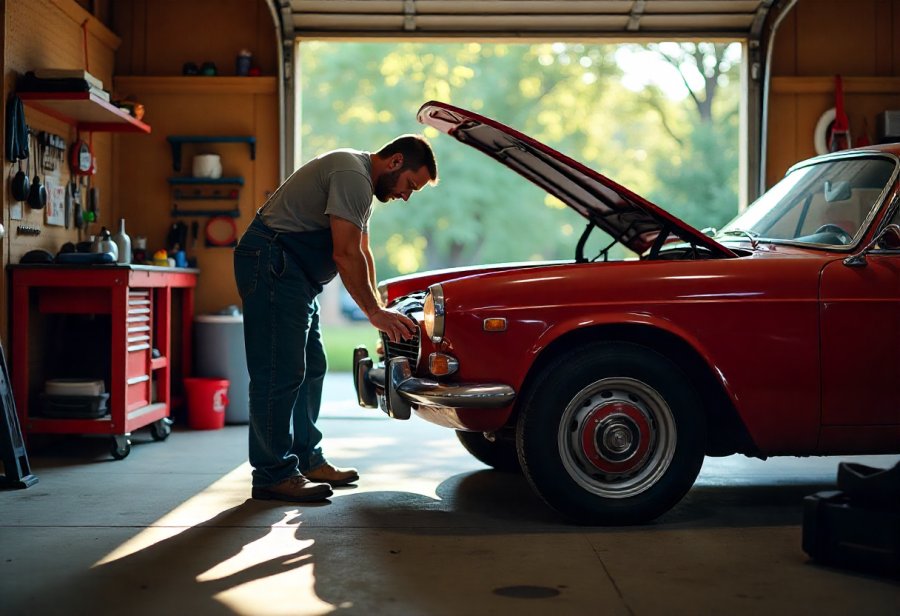
Looking ahead, the backyard restoration scene is set to evolve rapidly, driven by breakthroughs in technology and a renewed focus on sustainability. Digital diagnostic tools, once the domain of professional garages, are becoming both affordable and user-friendly for home enthusiasts. These devices enable hobbyists to identify engine and electrical issues with precision, reducing guesswork and speeding up repairs. As a result, backyard garages are closing the gap with commercial shops, allowing for more detailed and reliable restorations.
Meanwhile, eco-conscious practices are gaining momentum among hobbyists seeking to minimize their environmental footprint. Using biodegradable solvents, eco-friendly paints, and recycled parts has become more than a trend—it’s a standard approach. This shift encourages creative problem-solving, pushing restorers to find sustainable solutions that preserve the vintage charm while respecting the planet. Such practices also inspire innovation, prompting builders to explore new materials and techniques that blend tradition with responsibility.
Advances like 3D printing are transforming how restorers source and craft parts. Custom components can now be designed and produced with high precision, filling gaps left by scarce or discontinued parts. This technology not only accelerates projects but also opens the door to personalized modifications, making each restoration uniquely tailored. By reducing sourcing challenges, 3D printing allows hobbyists to maintain authenticity or experiment with bold new designs, elevating their craftsmanship.
Workspaces continue to become more efficient and inspiring, with improvements such as bright LED lighting, portable lifts, and dedicated workbenches. These upgrades create safer, more comfortable environments that support longer, more ambitious projects. Digital project logs, parts inventories, and online repair guides further streamline workflows, minimizing frustration and enhancing organization. These enhancements foster a professional mindset, encouraging hobbyists to push their limits and refine their skills.
Community influence remains a vital force in shaping the future. Online forums, social media groups, and virtual tutorials facilitate the rapid exchange of ideas, techniques, and inspiration. This connectedness not only accelerates learning but also sparks innovation, inspiring hobbyists to take on more complex projects. The collective knowledge and support networks help keep the passion vibrant, making backyard restoration a truly collaborative craft.
Looking further ahead, lightweight materials and smarter electrical systems promise safer, more reliable restorations. High-strength composites and advanced battery management technologies enable integration of modern innovations without sacrificing authenticity. As these tools become more accessible, even intricate projects become manageable within a home garage, expanding what’s possible for passionate restorers.
The future of backyard restoration is a seamless blend of tradition and innovation. Cutting-edge tools and eco-friendly practices will continue to push boundaries, inspiring new levels of craftsmanship. As technology evolves, so does the potential for creativity, precision, and sustainability—all within the familiar, personal space of the home garage. Passion-driven enthusiasts will find new ways to revive vintage vehicles while embracing the advancements that make each project more exciting and rewarding. The garage of tomorrow remains a space of endless learning, where passion and progress go hand in hand.