Learning to drive is often seen as a defining milestone of independence, yet beneath the surface lies a complex emotional journey. Teenagers step behind the wheel eager for freedom but are quickly met with nerves, self-doubt, and anxiety—emotions that can linger long after earning their license. This internal tug-of-war—between pride and vulnerability—shapes their confidence and resilience, often in unpredictable ways. As they navigate bustling streets or tricky parking, their feelings evolve, highlighting that confidence isn’t static but built gradually through setbacks and successes alike. The process fosters vital skills like patience, emotional regulation, and self-awareness, which extend beyond the road into other aspects of life. But do these internal struggles truly ease with time, or do they simply transform into new challenges? This ongoing internal dialogue underscores that growth is a winding road—one filled with hurdles, breakthroughs, and the continual effort to trust oneself amid uncertainty.
Embarking on the Journey: The Emotional Milestones of Learning to Drive
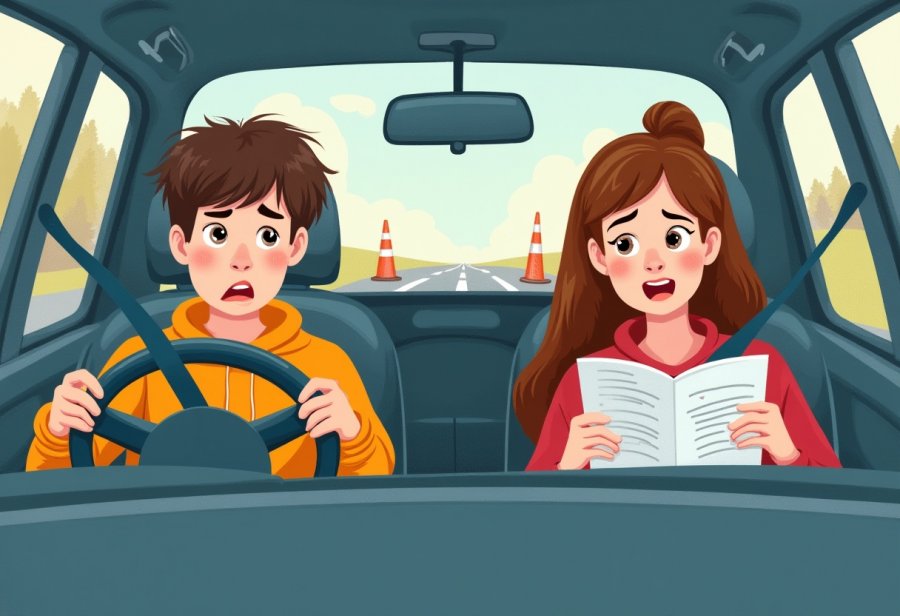
Learning to drive is one of those milestone moments that feels both exciting and daunting. For many teens, it symbolizes a leap toward independence—a key step that they’ve eagerly anticipated for years. Behind the wheel, they imagine freedom, control, and the thrill of navigating the world on their own terms. But beneath that sense of achievement often lies a whirlwind of internal emotions: nerves, self-doubt, and a fear of making mistakes. Those first few drives can be overwhelming, turning what should be a confident step into a test of patience and resilience.
The emotional landscape of learning to drive is complex. Teens are caught between the pride of reaching a new level of responsibility and the anxiety about handling the unexpected. Whether it’s a busy intersection or a tricky parking spot, each new challenge can trigger a mix of excitement and hesitation. The nerves are real—sweaty palms, racing thoughts, and that voice of doubt whispering whether they’re really ready. These feelings are entirely normal, yet they often go unnoticed in the rush to celebrate passing the test or earning a license.
Driving isn’t just about mastering the mechanics; it’s a deeply personal experience. Each small success—like making a smooth turn or parking confidently—builds trust in their abilities. Conversely, mistakes or setbacks can shake their confidence, leaving them questioning whether they’re truly prepared for what’s ahead. It’s this push and pull, this internal tug-of-war, that makes the journey emotional and layered. Teens learn that resilience isn’t built overnight but through every stumble, every cautious drive, and every moment of self-doubt they push through.
These internal struggles extend beyond the physical act of driving. They shape how teens handle stress, take on responsibilities, and view their own growth. Facing difficult situations—like driving in bad weather or heavy traffic—becomes an opportunity to develop patience and emotional strength. Over time, what once caused panic starts to feel more manageable, helping teens build confidence that extends into other areas of their lives. The road to independence is not just about skills; it’s about internal growth, understanding their fears, and learning to trust themselves.
Ultimately, learning to drive is more than a rite of passage—it’s a journey of self-discovery. Teens may start out nervous and unsure, but with each mile they gain experience and resilience. The internal doubts, the nerves, and the fears don’t disappear overnight, but they become part of a broader process of growth. Recognizing this ongoing emotional journey helps teens approach their independence with patience, understanding, and a sense of strength that will serve them long after they’ve turned off the engine.
Navigating the Mind: The Psychological Path of Teen Drivers
Learning to drive is as much a psychological journey as it is a technical skill. When teens first sit behind the wheel, they’re often overwhelmed by a flood of emotions—excitement intertwined with fear, confidence battling self-doubt. This emotional rollercoaster shapes how they approach each driving lesson, turning what should be routine into a test of mental resilience.
Building confidence isn’t just about practice; it’s about recognizing small wins that reinforce belief in oneself. Successfully executing a turn or parking in a tight space provides tangible proof of progress, helping teens trust their growing skills. Techniques like deep breathing and setting realistic goals can ease nerves, making each step feel more manageable. Understanding that anxiety is normal during these early stages allows teens to confront their fears without becoming overwhelmed.
Overcoming driving anxiety requires resilience. It involves accepting mistakes as part of the learning process and celebrating even the smallest victories. These experiences teach patience and self-compassion, encouraging teens to see setbacks not as failures but as opportunities to learn. Gradually, as they practice in different environments, their comfort zone expands, and nerves give way to a calmer, more confident outlook.
The emotional aspect of learning to drive also influences how teens handle stress outside the car. Managing nerves during busy traffic or unfamiliar roads helps develop emotional regulation and problem-solving skills. Each successful drive in challenging conditions builds their belief that they can handle more than they initially thought, fostering a sense of mastery that benefits other areas of life.
Support from parents and instructors plays a crucial role in this process. Positive reinforcement can transform anxiety into motivation, while impatience or criticism may heighten doubts. Creating a safe space for teens to express their fears and celebrate their progress helps them develop internal resilience. Recognizing that internal conflicts are normal keeps their confidence grounded and encourages a growth mindset.
As teens continue practicing, internal conflicts often shift rather than disappear. What once caused panic—like merging onto a busy highway—becomes less intimidating over time, replaced by a quiet confidence born from familiarity. This evolving emotional landscape underscores that confidence is built gradually, through a mix of successes and setbacks.
The psychological journey behind the wheel isn’t linear; it’s full of ups and downs. Each challenging drive offers a chance to learn patience, self-awareness, and emotional control. These skills not only make them better drivers but also prepare them for future challenges beyond the road. Embracing this complex inner work helps teens develop a resilient mindset that extends into all aspects of their lives.
Conflicting Feelings Behind the Wheel: Pride, Fear, and Inner Tug-of-War
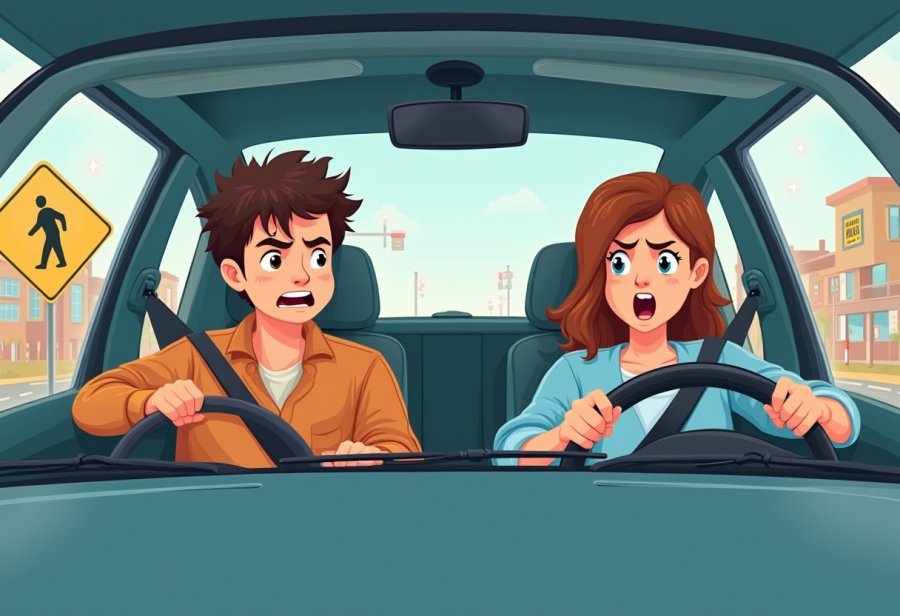
Learning to drive is rarely a straightforward journey; it’s more like a tug-of-war between feelings of excitement and uncertainty that reflect the emotional complexity teens experience. On one hand, stepping behind the wheel symbolizes newfound freedom and independence—an achievement that many teens have long anticipated. They imagine cruising confidently down familiar streets, feeling a sense of control and maturity. But beneath that pride often lies vulnerability—fears of making mistakes, causing accidents, or simply feeling unprepared for the responsibility. These conflicting emotions create a push-and-pull that makes each driving session feel like walking a tightrope.
Teens often find themselves caught between moments of pride and doubt, experiencing confidence and hesitation simultaneously. For example, they might celebrate successfully parking in a tight spot, yet worry about handling a sudden stop or navigating tricky merges. This internal dialogue—where eagerness clashes with hesitation—adds an emotional charge to the experience that many don’t expect. Confidence can ebb and flow within the same drive, making the path to self-assurance feel uneven and unpredictable.
Some teens believe that once they earn their license, their confidence will automatically solidify. However, many discover that internal fears simply shift in form—worries about future responsibilities or managing stress on the road often take the place of initial fears of failure. This ongoing internal conflict means that independence isn’t just about the physical act of driving but also about managing complex feelings of vulnerability and achievement side by side. The journey involves accepting that doubt and nerves are natural parts of growth rather than signs of failure.
Parents and instructors often observe these contradictions vividly. A teen might appear confident during a test drive but become visibly anxious when faced with high-pressure situations, like heavy traffic or bad weather. These conflicting states aren’t signs of inconsistency but reflect the layered nature of emotional development. As they gain more experience, these internal struggles tend to lessen but rarely disappear entirely. Instead, they evolve into a quieter form of self-awareness—an understanding that confidence builds gradually, through both successes and setbacks.
Recognizing these contradictions helps teens accept that the road to independence is complex and ongoing. Confidence isn’t a fixed endpoint but a fluid skill that develops through patience and persistence. Embracing the reality of these conflicting feelings allows them to approach new challenges with a more resilient mindset. They learn that feeling unsure at times is part of growth, making their journey toward independence richer, more authentic, and ultimately more rewarding.
Beyond the Road: How Driving Emotions Shape Daily Life and Growth
Learning to drive shapes how teens manage emotions in everyday life, often in ways they might not immediately realize. Navigating traffic, parking in tight spots, or merging onto busy roads can trigger nerves, but each experience offers a chance to practice patience and emotional control. As teens become more comfortable behind the wheel, these moments of challenge help build a sense of mastery that extends well beyond the car. They start to see themselves as capable of handling stressful situations, which in turn boosts confidence in other areas like school or social life.
Handling unfamiliar or high-pressure driving environments often stirs internal doubts, especially in the beginning. Facing heavy traffic or tricky intersections can make even confident teens second-guess themselves. But through repeated exposure and experience, these situations become less intimidating. Every successful drive in a complex setting reinforces their ability to stay calm and focused, transforming nerves into quiet confidence. These small wins serve as reminders that they can manage more than they might have thought, fostering emotional resilience that benefits their daily routines.
Routine errands—like heading to school, grocery shopping, or visiting friends—may seem straightforward but can be surprisingly stressful for hesitant teens. The internal voices questioning their abilities or worrying about mistakes often make familiar routes feel daunting. With continued practice, teens start to view these everyday tasks as manageable, learning to control anxiety and focus on the road ahead. This gradual process of exposure teaches patience and emotional regulation, skills that are just as vital in handling academic pressures or social challenges.
Support from family and friends plays a key role in how teens handle these driving moments. Encouragement and celebrating small successes help foster a growth mindset, turning initial doubts into a sense of achievement. Conversely, impatience or criticism can heighten anxiety, making them more hesitant or fearful. Providing a safe space for teens to express their worries and recognize progress helps them develop internal resilience. These positive experiences lay a foundation for confidence that extends into many facets of their lives, encouraging independence with a healthy outlook.
Even after passing their driving test, many teens continue to face internal struggles. Difficult situations like driving in bad weather, unfamiliar areas, or during heavy traffic can still provoke nerves and doubts. These moments highlight that confidence isn’t a fixed trait but a skill that requires ongoing nurturing. The patience, self-awareness, and emotional regulation learned behind the wheel help them weather future challenges with a more grounded and resilient mindset. As they build this inner strength, they become better prepared to navigate the complexities of growing up and taking on new responsibilities.

The Ongoing Road: Reflecting on Independence, Doubts, and Inner Resilience
The journey to independence through learning to drive is more complex than it might appear at first glance. While earning a license can boost confidence and mark a significant milestone, it doesn’t automatically erase the internal struggles teens face. Many still carry nerves, self-doubt, and anxiety, especially in unfamiliar or high-pressure situations. These feelings tend to evolve rather than disappear, showing up in different forms as they encounter new challenges beyond the driver’s seat.
For some teens, internal conflicts shift from immediate driving fears to worries about handling responsibilities on their own. Gaining independence behind the wheel fosters a sense of achievement, but also makes them aware that confidence is built gradually. The doubts they experienced during initial lessons may now focus on managing stress, making wise decisions, or navigating social pressures. These ongoing inner dialogues serve as reminders that growth isn’t a one-time event but a continuous process.
Even after passing their driving test, internal struggles often persist. Difficult situations like driving in bad weather, in unfamiliar areas, or during heavy traffic can still trigger nerves and doubts. These moments highlight that confidence isn’t fixed; it’s a fluid skill that requires ongoing effort and patience. The resilience and self-awareness developed behind the wheel help them manage these feelings, but rarely eliminate them entirely. Instead, they foster a mindset of perseverance, teaching teens that setbacks are part of growth, not signs of failure.
Support from parents, peers, and mentors remains crucial in this ongoing internal journey. Encouragement and patience help normalize internal doubts, making room for mistakes as natural steps in learning. Recognizing that internal conflicts are normal and persistent allows teens to accept their feelings without judgment. This understanding makes the pursuit of independence less intimidating, framing it as a lifelong process of self-discovery rather than a final destination.
The emotional growth gained from learning to drive extends far beyond the road. As teens develop patience, self-awareness, and resilience, they become better equipped to face challenges in school, work, and relationships. The nerves and doubts that once felt overwhelming transform into tools for growth, shaping a more confident, adaptable outlook. Each experience—whether smooth or challenging—builds their capacity to navigate life’s twists and turns with strength and authenticity.
Looking ahead, embracing the ongoing nature of growth helps teens approach future hurdles with patience and resilience. They learn that confidence isn’t a one-and-done achievement but a skill to be cultivated continually. The emotional journey behind the wheel becomes a mirror for life itself—full of ups and downs, setbacks, and breakthroughs. Accepting this reality fosters a sense of groundedness and readiness, empowering them to face whatever comes next with trust in themselves.
In the end, the road to independence is not a straight line but a winding path filled with learning moments. The internal struggles may never fully vanish, but they become less daunting over time, replaced by a deeper understanding of oneself. Each mile driven is a step toward greater self-awareness, patience, and resilience—qualities that will serve teens well beyond the driver’s seat. Their journey is ongoing, but with each turn, they grow more capable of handling life’s complexities with confidence and grace.