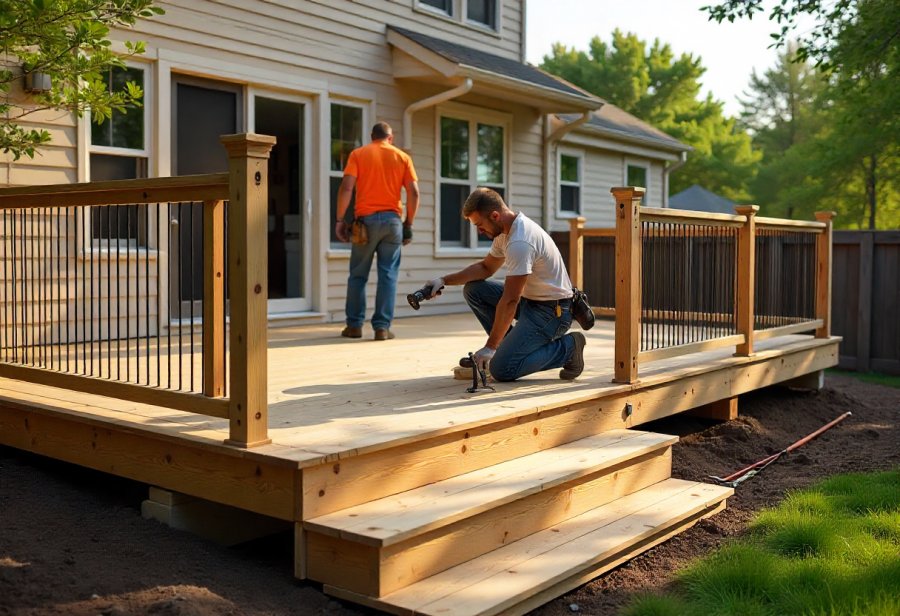
Transforming Toronto yards into stunning outdoor retreats is more than just aesthetic enhancement—it’s about balancing beauty, sustainability, and client satisfaction in a city marked by seasonal extremes. How can homeowners create vibrant, resilient landscapes that thrive amid harsh winters and warm summers? This guide reveals the secrets of strategic planning, eco-friendly plant selections, and durable materials tailored to Toronto’s unique climate. It explores how native plants, sustainable hardscapes, and water-efficient technologies can craft outdoor spaces that are not only visually captivating but also environmentally responsible. The journey from site analysis to installation emphasizes collaboration, innovation, and long-term care, ensuring each landscape adapts and evolves. What does the future hold for Toronto’s landscaping scene? Expect a wave of smart, regenerative, and tech-integrated design trends that prioritize resilience, ecological health, and stunning aesthetics—redefining outdoor living in the city for generations to come.
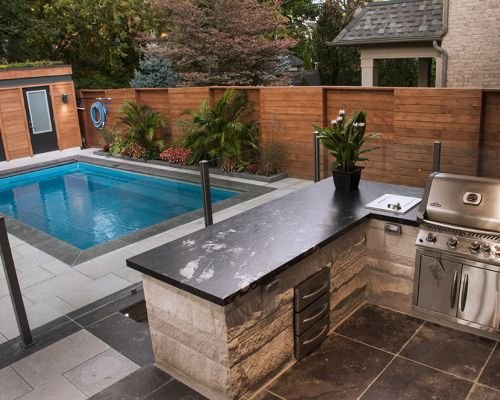
Transforming Toronto Yards into Inviting Outdoor Retreats
Transforming Toronto yards into inviting outdoor retreats is more than just a design trend—it reflects a growing desire among homeowners to connect with their environment and make the most of their outdoor space. As urban living becomes more concentrated, the importance of creating beautiful, functional, and sustainable landscapes has never been greater. A well-designed yard extends the home’s comfort outside, providing a versatile area for relaxation, entertainment, and everyday activities.
Understanding Toronto’s unique climate is essential for achieving successful transformations. With cold winters, warm summers, and seasonal shifts, selecting plants and materials that can withstand these conditions is key. Native plants, adapted to the local environment, thrive with minimal intervention, reducing maintenance and resource use. They support local ecosystems and help create landscapes that are both resilient and environmentally friendly.
Effective yard transformations start with thoughtful planning. Site analysis—considering soil quality, drainage, and sunlight—guides the design process, helping identify challenges and opportunities. This careful assessment ensures the finished space is durable, tailored to the homeowner’s lifestyle, and capable of evolving with changing needs. Whether it’s a lush garden, a sleek patio, or a combination of both, the goal is to craft a seamless outdoor extension of the home.
Creating a balance between aesthetic appeal and sustainability is at the heart of successful landscape design. Thoughtful plant selection, incorporating eco-friendly materials, and designing for seasonal interest help produce outdoor spaces that are visually stunning yet environmentally responsible. Integrating features like rain gardens, permeable pavers, and water-efficient systems not only enhances beauty but also supports stormwater management and reduces ecological impact.
Collaboration with clients plays a vital role in shaping these transformations. Clear communication, visual tools, and ongoing engagement ensure the design aligns with their vision and needs. This partnership results in outdoor retreats that reflect personal style while adhering to sustainable principles, making each project uniquely suited to its environment and owner.
Ultimately, transforming Toronto yards into stunning retreats is a journey of strategic planning, eco-conscious choices, and shared vision. When done right, these outdoor spaces become more than just pretty landscapes—they become functional, sustainable havens that enrich daily life and support the city’s natural landscape. It’s about creating environments that are resilient, beautiful, and deeply connected to both the community and the environment.
Core Principles of Landscape Design in Toronto
Creating a successful landscape in Toronto starts with understanding the city’s unique climate. Winters can be harsh, with snow and freezing temperatures, while summers bring warmth and humidity. Choosing plants that can handle this variability is essential. Native species, already adapted to local conditions, require less water, fewer chemicals, and minimal maintenance, making them ideal for sustainable landscaping that’s both resilient and environmentally friendly.
Designing for durability and seasonal interest ensures the landscape remains vibrant throughout the year. Layering plants—using evergreens for winter structure, flowering shrubs for spring and summer, and colorful perennials for fall—creates visual interest across seasons. Proper soil preparation and effective drainage are critical, especially given Toronto’s clay soils, which can retain excess water and stress plants. Incorporating soil amendments and drainage solutions helps plants thrive despite these challenges, resulting in a landscape that stands up to the city’s seasonal extremes.
Balancing usability with aesthetic appeal involves creating designated zones for dining, lounging, or play, tailored to the homeowner’s lifestyle. Using contrasting textures and colors in plantings keeps the space engaging without feeling cluttered. Durable, weather-resistant materials like permeable pavers, natural stone, and composite furniture not only add style but also withstand Toronto’s seasonal shifts, ensuring longevity and ease of care.
Integrating client preferences early into the design process makes the landscape feel personal and meaningful. Visual tools such as mood boards or 3D renderings help homeowners see the vision clearly, encouraging collaboration and adjustments before installation begins. This approach ensures the final result aligns with their lifestyle, taste, and long-term goals, fostering satisfaction and pride in the completed yard.
At the core of these principles is a focus on sustainability. Selecting native plants, eco-friendly materials, and water-efficient systems reduces environmental impact and enhances resilience. Thoughtful placement of features like rain gardens, permeable pavements, and natural mulch supports stormwater management while adding aesthetic layers. When these elements come together, they craft landscapes that are not just beautiful but also sustainable and adaptable.
A well-designed Toronto yard isn’t static; it evolves with the seasons and the homeowner’s needs. Ongoing care, including pruning, soil enrichment, and mulching, maintains vitality and beauty. Educating clients about sustainable practices empowers them to care for their landscape responsibly, ensuring it remains resilient and vibrant for years to come.
By embracing these core principles—climate awareness, durability, client collaboration, and sustainability—landscape design in Toronto creates outdoor spaces that are both stunning and practical. These landscapes serve as enduring retreats, enriching daily life and supporting the city’s natural environment, one thoughtfully crafted yard at a time.

Strategies for Balancing Beauty and Sustainability
Balancing beauty and sustainability in outdoor design starts with making thoughtful choices that enhance visual appeal while respecting the environment. Native plants are a cornerstone of this approach—they thrive naturally in Toronto’s climate, requiring less water, fertilizers, and chemicals. This not only creates vibrant, lush landscapes but also reduces ecological impact and supports local pollinators and wildlife.
Using sustainable materials is another key strategy. Permeable pavers, recycled wood, and reclaimed stone can be incorporated into pathways, patios, and decorative features. These materials facilitate stormwater management, helping to prevent runoff and erosion while adding texture and character to the landscape. Their durability ensures the space remains beautiful over time, even through seasonal shifts.
Water management plays a vital role. Installing rainwater harvesting systems or drip irrigation reduces waste and conserves resources. Smart irrigation systems that adjust watering based on weather conditions prevent overwatering and keep plants healthy without excess runoff. Additionally, incorporating shaded areas or natural tree canopies lowers cooling costs in summer, making the landscape more energy-efficient.
Design efficiency involves positioning plants and features to maximize natural benefits. Strategically placing trees and shrubs provides shade, wind protection, and visual interest, reducing the need for additional cooling or heating. Layered plantings with varying heights and textures create depth and movement, making the space lively and engaging while minimizing resource use.
Durability and multi-season interest ensure the landscape remains attractive year-round. Evergreen plants provide structure during winter, while flowering perennials and deciduous shrubs bring color in spring and summer. Selecting weather-resistant furniture and hardscapes further extends the lifespan of outdoor features, reducing maintenance and replacements.
Features like rain gardens, natural stone borders, and eco-friendly mulch not only elevate aesthetic appeal but also support ecological health. They manage stormwater, prevent soil erosion, and enrich soil quality—creating a balanced environment that’s both beautiful and resilient. Proper integration of these elements results in a landscape that is visually captivating and environmentally responsible.
Implementing Successful Landscape Transformations in Toronto
Transforming a Toronto yard into an inviting outdoor retreat begins with a clear, well-thought-out plan. Starting with a detailed site analysis—assessing soil quality, sunlight exposure, and drainage—sets the foundation for success. This step helps identify existing challenges and opportunities, guiding decisions around plant choices, layout, and materials. A thorough understanding of the site ensures the final design is both durable and tailored to the homeowner’s lifestyle.
Once the assessment is complete, developing a customized design is the next step. It should reflect the homeowner’s vision, whether they want a lush garden, a sleek patio, or a blend of both. Incorporating sustainable practices from the start, such as native plants and eco-friendly materials, helps ensure the landscape performs well over time with minimal maintenance. Keeping the lines of communication open during this phase allows clients to provide input and adjustments, fostering a shared sense of ownership.
The installation process is where design ideas become reality. Selecting native plants suited to Toronto’s climate creates a resilient landscape that requires less water and fewer chemicals. Thoughtfully placing water features, lighting, and furniture enhances both functionality and visual appeal. Using durable, weather-resistant materials for pathways, furniture, and hardscapes guarantees the yard can withstand seasonal extremes and remain attractive for years.
Managing the project smoothly involves setting clear timelines, coordinating deliveries, and maintaining open communication. Regular site visits and progress reviews allow for adjustments where needed, preventing delays and keeping the project aligned with the original plan. Flexibility is crucial—unexpected issues like weather or supply delays are common, but staying adaptable keeps everything on track.
Looking at successful case studies reveals valuable lessons: the importance of thorough planning, creative problem-solving, and ongoing client collaboration. These projects show how addressing site-specific challenges with eco-conscious solutions results in outdoor spaces that are both beautiful and resilient. Whether transforming a small backyard into a vegetable garden or creating a modern entertaining area, a step-by-step approach makes all the difference.
Following these practical steps empowers Toronto homeowners to turn their outdoor spaces into personal retreats that blend beauty, sustainability, and functionality. A well-executed landscape seamlessly integrates into daily life, boosts property value, and supports eco-friendly living. It’s a journey that combines careful planning, collaboration, and attention to detail—delivering outdoor environments that are truly worthwhile.
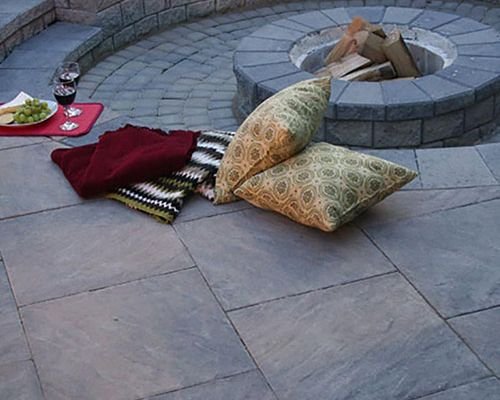
Looking to the Future of Toronto Landscaping
Looking ahead, Toronto’s landscape design scene is set to embrace a wave of innovative trends that blend technology, sustainability, and local ecology. Smart irrigation systems are becoming a standard feature, using sensors and weather data to deliver just the right amount of water. This not only conserves resources but also keeps gardens vibrant despite shifting climate patterns, making maintenance easier for homeowners.
Eco-friendly materials continue to gain popularity. Recycled composites, permeable pavers, and natural stone are now common choices that help manage stormwater and promote water infiltration. Incorporating these elements not only elevates the aesthetic but also supports Toronto’s push toward more resilient and environmentally responsible neighborhoods. These materials prepare yards to better withstand seasonal extremes while reducing ecological impact.
Native plants remain at the forefront, with designers emphasizing regenerative practices that encourage biodiversity. These plants thrive naturally in Toronto’s climate, requiring fewer resources and chemicals, which lowers maintenance and runoff. Landscapes designed with native species transform yards into mini-ecosystems, supporting pollinators and local wildlife while fostering a deeper connection to the environment.
Beyond plants, outdoor technology is reshaping how we experience our yards. Modular furniture, solar-powered lighting, and green roofs are turning outdoor spaces into versatile retreats that adapt to modern lifestyles. Energy-efficient lighting and outdoor solar systems extend usability into the evenings, reducing reliance on the grid and aligning outdoor living with broader sustainability goals.
Staying at the cutting edge involves continuous learning. Industry publications, conferences, and collaborations with environmental experts help designers integrate the latest tools and practices. Social media platforms serve as quick sources of inspiration and knowledge sharing, ensuring Toronto’s landscapes remain innovative, resilient, and aligned with the city’s environmental commitments.
The future of Toronto landscaping promises outdoor spaces that are as functional as they are beautiful, seamlessly integrating technology and ecological principles. From smart irrigation to regenerative plantings, these advancements aim to create low-maintenance, highly resilient yards that enrich urban life while supporting the environment. The landscape of tomorrow will be a reflection of a city committed to sustainability, adaptability, and beauty—where outdoor retreats support both people and the planet.