Imagine transforming daily walks into peaceful, bonding moments that deepen your connection with your dog—sounds ideal, but how achievable is it? Mastering calm walks isn’t just about leash manners; it’s about building trust, communication, and mutual respect. This guide reveals how consistent routines, positive reinforcement, and gradual exposure to distractions can turn chaotic outings into serene shared experiences. From simple techniques like the “heel” command to handling setbacks and environmental challenges, you’ll learn how patience and adaptability are key to success. But what about the costs involved, or how to monitor progress effectively? This comprehensive approach balances affordability with effectiveness, emphasizing that training is a journey rather than a quick fix. Whether you’re a newcomer or seasoned owner, you’ll discover how a calm, focused walk can transform your relationship, making every outing a joyful expression of trust and harmony. Are you ready to unlock this peaceful, mutually rewarding connection?
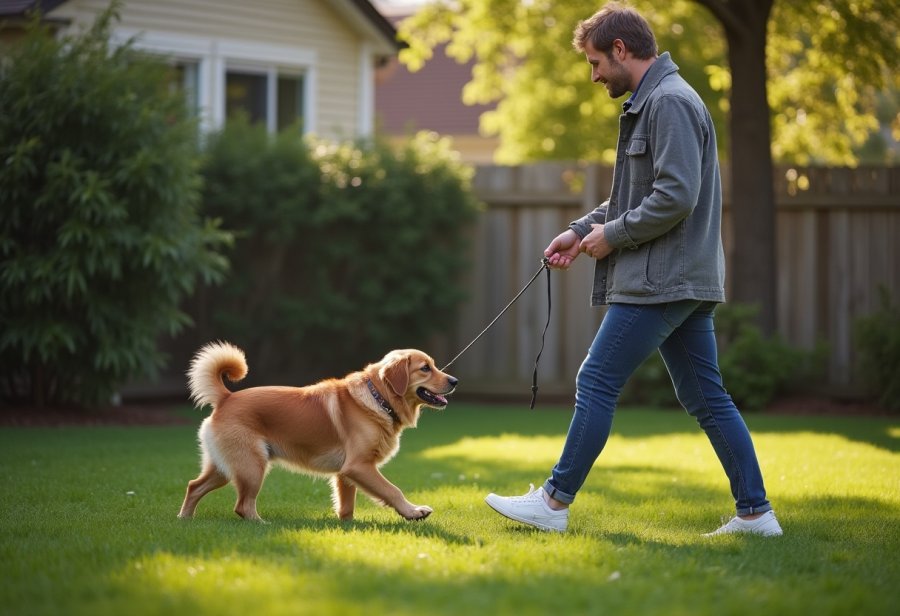
Transform Your Outings: The Power of Calm Dog Walking
Walking calmly with your dog isn’t just about getting from one place to another; it’s a crucial part of building a trusting, harmonious relationship. When your dog learns to walk beside you without pulling or fussing, every outing becomes a shared experience of calm and connection. These peaceful walks help both of you feel more relaxed, transforming what could be a stressful task into a bonding moment filled with trust and mutual understanding.
Understanding what calm walking really involves goes beyond simple leash manners. It’s about guiding your dog to walk at your side with a relaxed, confident attitude—free of tension, distractions, or pulling. This behavior signals to your dog that you’re a steady leader they can rely on, which deepens their trust in you and creates a sense of safety. Such walks are more than good manners; they set the foundation for safer outings and better focus in everyday situations.
The benefits of calm walking extend further than obedience. It helps prevent common issues like lunging or pulling, which can be dangerous or disruptive. It also makes walks safer by reducing the risk of trips or escapes. Most importantly, these quiet moments of connection strengthen your bond, allowing your dog to see you as a calm, dependable guide. Over time, this mutual understanding turns routine walks into shared moments of joy and trust.
Whether you’re a new owner or an experienced handler, mastering calm walking creates a peaceful rhythm that enhances your relationship. It turns daily outings into opportunities for training, bonding, and mutual respect. With patience and consistency, calm walks become a natural part of your routine—moments you both look forward to and cherish.
In the end, calm dog walking isn’t just a skill—it’s a pathway to a deeper, more joyful partnership. It transforms everyday walks from chores into peaceful, bonding experiences. By fostering patience, confidence, and trust, you turn simple outings into meaningful shared moments, laying the groundwork for a lifelong friendship built on mutual respect and calm connection.
Core Principles for Peaceful, Focused Walks
Achieving calm and focused walks with your dog starts with establishing clear, consistent routines. Dogs thrive on predictability, so practicing simple commands like “heel” regularly helps your dog understand what’s expected. When your instructions are consistent, your dog begins to anticipate what’s coming next, which reduces confusion and frustration. This consistency builds trust and cooperation, making training smoother and more effective.
Positive reinforcement is essential. Reward calm and focused behavior with treats, praise, or gentle petting. This encourages your dog to repeat those behaviors and strengthens your bond. Patience remains key—training takes time, and setbacks are normal. Staying calm and persistent creates a sense of safety, helping your dog feel more confident and relaxed during walks.
Managing your environment is just as important. Starting in quieter areas with fewer distractions allows your dog to focus better. As they improve, gradually introduce busier settings like streets or parks. Taking small steps prevents overwhelm and encourages steady progress. Your attitude influences your dog’s behavior—remaining relaxed and confident signals that there’s no need to get excited or anxious, which your dog will mirror.
Understanding key commands like “heel,” “focus,” and “leave it” provides clear behavior goals. Teaching your dog to walk at your side without pulling and to pay attention to your cues makes walks safer and more enjoyable. These core principles serve as the foundation for all successful calm walking techniques.
Modern training favors gentle, positive methods over harsh corrections. Consistently rewarding good behavior and managing distractions with patience foster cooperation and trust. This respectful approach transforms walks into bonding moments rather than battles of will. By integrating these principles into your routine, you set the stage for calm, focused outings that strengthen your connection, turning daily walks into peaceful, shared experiences.
Step-by-Step Techniques to Train Calm Walks
Training your dog to walk calmly involves patience, consistency, and clear communication. Start in a quiet setting and teach the “heel” command, rewarding your dog with treats or praise when they walk beside you without pulling. Keep the leash loose; tension signals pulling. If your dog tugs, gently stop and redirect their attention with a cue like “look” or “focus,” then reward when they respond. Short, frequent sessions help build their focus and confidence without overwhelming them.
When distractions appear, such as squirrels or other dogs, calmly redirect their attention using cues like “leave it” or calling their name. Reward their focus on you to reinforce good behavior. Practice in different environments, beginning with quieter areas and gradually introducing busier settings, to help your dog generalize calm walking manners across situations. Managing your own demeanor is just as important—stay relaxed and confident, as your dog will mirror your calmness.
Use high-value treats or favorite toys during challenging moments to maintain their attention. If your dog starts to lunge or get overly excited, pause, reset their focus with a cue, and then proceed slowly. These small adjustments reinforce good habits and prevent setbacks. Remember, progress takes time—celebrate small victories to keep motivation high. End each session positively so your dog leaves eager to continue.
Gradually increase the difficulty by practicing in more stimulating environments, always rewarding calm behavior. Be adaptable; some days will be easier than others. Consistency across walks and handlers helps your dog understand what’s expected, creating a steady foundation for calm, focused outings. With patience and persistence, these techniques turn daily walks into peaceful moments of connection and trust.
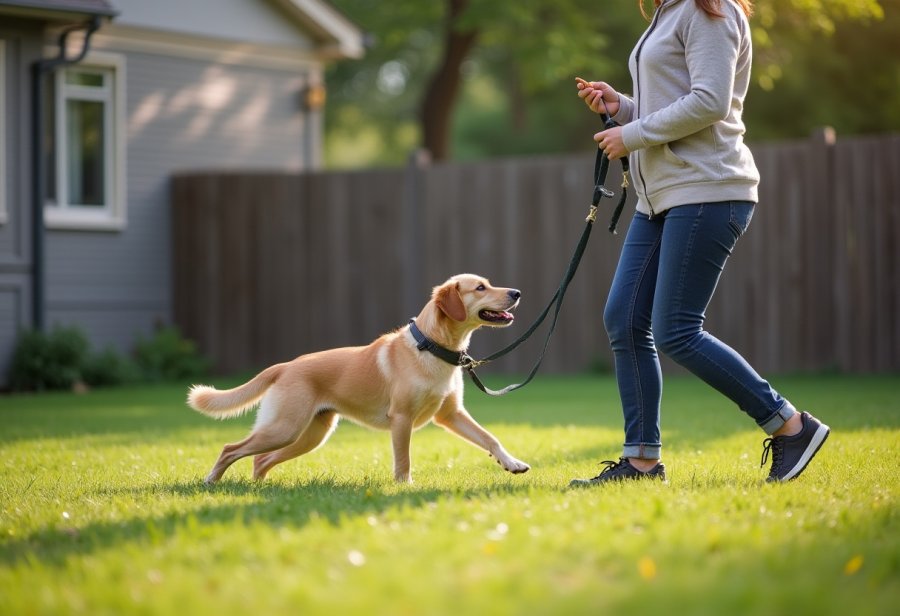
Real-World Strategies for Successful Calm Walking
To effectively implement calm walking techniques in real-world settings, start by choosing environments that match your dog’s current level of training. Begin in quiet neighborhoods or parks with minimal distractions, where your dog can focus without becoming overwhelmed. Use treats and praise consistently to reinforce calm, focused walking. When your dog pulls or gets distracted, pause briefly, then redirect their attention with a cue like “look” or “focus.” Reward immediately when they respond correctly, reinforcing that paying attention to you leads to positive outcomes.
As your dog’s confidence grows, gradually introduce busier settings such as busy streets or parks with more stimuli. Keep training sessions short—around five to ten minutes—to prevent fatigue or frustration. During these outings, stay calm and confident yourself; dogs mirror your energy, so a relaxed demeanor helps them remain steady. Carry high-value treats or favorite toys, especially in challenging environments, to keep their focus on you. If your dog begins to lunge or become overly excited, pause, reset their focus with a cue, then proceed slowly. These small adjustments help reinforce good habits and reduce setbacks.
Consistency across different outings and handlers is key. Use the same cues and reward strategies, so your dog understands what behavior is expected no matter who’s walking them. Incorporate training into your daily routine by making walks predictable, which helps your dog generalize good manners in various environments. When faced with setbacks, revert to simpler settings and reinforce basic commands to rebuild confidence. Patience and persistence turn these challenges into opportunities for growth, gradually shaping your dog into a calm, focused walker.
Flexibility is essential—no two days are alike. Some days will be easier, others more challenging. Adjust your pace and difficulty level based on your dog’s mood and progress, always rewarding their efforts. Over time, these consistent, tailored strategies will help your dog internalize calm walking habits, making peaceful, enjoyable outings a regular part of your routine. With patience and practice, what once felt difficult will become second nature, strengthening your bond and turning walks into shared moments of trust.
Smart Budgeting for Effective Dog Walking Training
Training a dog to walk calmly at your side doesn’t have to be a costly endeavor, but understanding where your resources go helps you plan effectively. The basics—such as a sturdy leash, a comfortable collar or harness, and some high-quality treats—are affordable and form the foundation of your training routine. These essentials typically cost less than fifty dollars and can be used repeatedly, making them a smart investment that pays off in smoother, more consistent training sessions.
If you choose to work with a professional trainer or enroll in classes, costs can vary significantly depending on your location and the level of personalized attention. Group sessions tend to be more budget-friendly and are great for socialization, while private coaching offers tailored guidance at a higher price. Many trainers offer package deals, which can be a good way to get consistent support without breaking the bank. Alternatively, online tutorials, books, and local workshops provide valuable information at a fraction of the cost.
Additional tools like clickers, treat pouches, or distraction-proof collars are optional but can make training more effective and enjoyable. These gadgets aren’t necessary for everyone, and often, consistent practice with simple rewards produces the best results. Remember, your time and patience are often more valuable than expensive gear—dedicating regular, focused effort yields progress without the need for costly equipment.
Keeping track of your spending helps prevent overspending on unnecessary items. Setting aside a specific budget each month for supplies and occasional professional help ensures you stay on course financially. This steady approach allows you to invest wisely, maintaining a balance between affordability and effectiveness.
Ultimately, investing in your dog’s training is an investment in quality of life—for both of you. Well-chosen resources and consistent practice create a peaceful, enjoyable walking routine that strengthens your bond. With mindful resource allocation, you’ll find that calm, focused walks become a natural, rewarding part of your daily life without putting undue strain on your budget.
Putting Plans into Action and Tracking Your Progress
Putting your training plan into action relies on establishing a consistent routine that becomes second nature for both you and your dog. Short, daily sessions are most effective, helping your dog stay focused without feeling overwhelmed. During each walk, use your selected cues like “heel” or “focus,” and immediately reward your dog when they respond correctly. This steady reinforcement helps them associate good behavior with positive outcomes, speeding up the learning process.
Monitoring progress is just as important as the training itself. Keep a simple journal or use an app to track how long your dog maintains calm walking, how they handle distractions, and any setbacks. Recognizing patterns in your notes helps you identify what works well and where adjustments are needed. For example, if your dog struggles with busy environments, you might need to simplify the setting or increase rewards during those moments.
Consistent cues and reinforcement across different walks and handlers prevent confusion, making it easier for your dog to understand expectations. If multiple people are involved, ensure everyone uses the same commands and rewards. This clarity builds trust and helps your dog internalize calm walking habits more quickly. Patience is key—training takes time, and setbacks are part of the process. When challenges arise, revert to simpler environments and basic commands to rebuild confidence.
Adjust your approach based on your dog’s response each day. Some days will be easier, others more challenging, but staying flexible keeps progress on track. Celebrate small victories to boost motivation and keep the routine positive. With persistence and attentiveness, your dog will gradually develop the self-control needed for peaceful, focused walks, turning training into a shared journey of trust and connection.
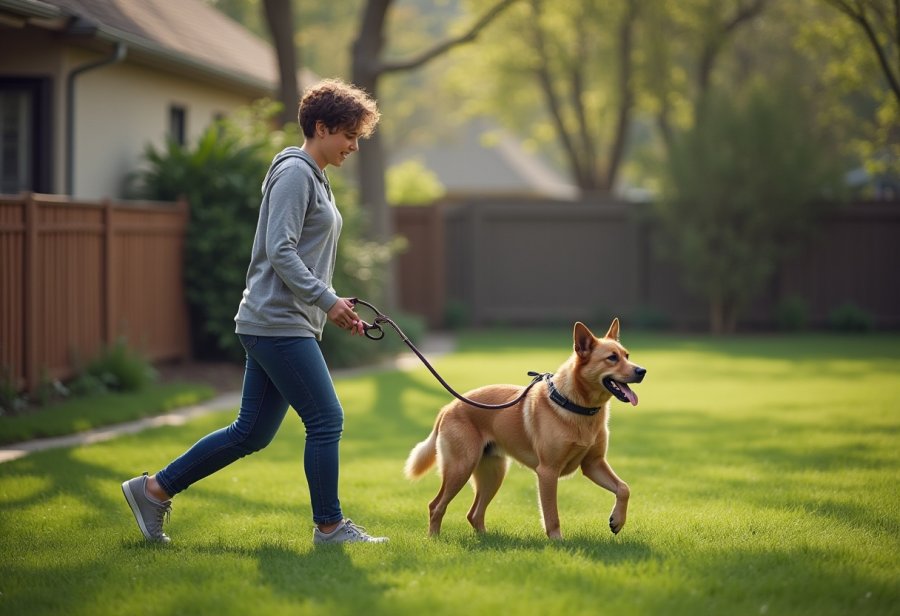
Navigating Challenges: Risks, Setbacks, and Solutions
Training your dog to walk calmly isn’t always straightforward. Common issues like pulling, distraction, or behavioral setbacks can crop up, especially in more stimulating environments such as busy parks or streets. Recognizing these challenges early allows you to stay composed and adapt your approach instead of reacting with frustration, which can escalate the problem. For example, if your dog starts pulling at the sight of other dogs, calmly stopping and redirecting their attention with a cue like “leave it” helps them regain focus on you.
Distractions like loud noises, unfamiliar smells, or other animals can easily throw your dog off course, leading to lunging or pulling. To prevent this, gradually introduce distractions in controlled settings and reward your dog for maintaining focus. When overwhelm hits, reducing environmental complexity or taking a brief break allows your dog to reset. Patience remains vital—training takes time, and setbacks aren’t signs of failure but part of the learning process.
Behavioral regressions may occur after progress, often triggered by stress, fatigue, or routine changes. When setbacks happen, revert to simpler environments and reinforce basic commands to rebuild confidence. Consistency across all handlers and walks helps prevent confusion, making it clear what behaviors are expected. If persistent issues persist, consulting a professional trainer can provide tailored strategies and reassurance.
Having a contingency plan for setbacks keeps your training on track and helps you maintain patience. Recognize that challenges are normal and part of growth. Calm, confident responses and strategic adjustments turn obstacles into opportunities for development. With steady effort and flexibility, your dog will learn to navigate distractions and setbacks, strengthening their self-control and trust in you.