In a world dominated by screens and digital interactions, could the simple act of gardening together unlock deeper bonds and foster true healing? This compelling exploration reveals how shared outdoor activities—planting, watering, nurturing—do more than grow vegetables and flowers; they cultivate trust, patience, and emotional resilience. From ancient communal farming to modern therapeutic programs, the history of gardening underscores its timeless power to forge connections across cultures and generations. Scientific research supports the idea that working with nature triggers biochemical responses that improve mood and reduce stress, especially when done collaboratively. Stories of families, neighbors, and communities demonstrate how tending the earth becomes a transformative act of relationship-building. Looking forward, innovations like digital platforms, urban green spaces, and educational initiatives promise to deepen these bonds further. Could nurturing something alive be the key to reconnecting in an increasingly disconnected world?

Reconnecting in a Digital Age: The Healing Power of Shared Gardening
In today’s fast-paced digital world, genuine human connection often feels harder to come by. We spend hours scrolling through social media feeds, exchanging quick texts, or binge-watching shows, which can make meaningful interactions seem distant or superficial. Amidst this noise, working together in a garden offers a simple yet powerful way to reconnect. It’s an activity rooted in patience, cooperation, and care—values that can easily get lost in our hurried routines.
Sharing time outdoors, tending to plants side by side, fosters conversations that flow naturally. Tasks like watering, weeding, or harvesting become shared moments that build trust and understanding without the need for forced dialogue. These small acts of cooperation help break down barriers, making emotional openness feel more effortless and authentic. Over time, the garden becomes a space not just for growth in plants but for growth in relationships.
Gardening acts as a counterbalance to digital disconnection by immersing us in sensory experiences that ground us in the present. Feeling sunlight on your face, digging into rich soil, and inhaling the scent of greenery are all simple pleasures that reconnect us to nature and ourselves. When shared with someone else, these moments transform into bonding rituals—calm, peaceful, and filled with shared purpose. The act of nurturing life together deepens emotional ties in ways that words often cannot.
This activity isn’t just about cultivating plants; it’s about cultivating trust and resilience. The repetitive, mindful routines of planting, watering, and caring create a rhythm that soothes the mind and fosters emotional healing. When done as a team, these routines become shared rituals that promote patience, teamwork, and empathy—qualities that extend beyond the garden and into everyday life.
Working together outdoors also provides space for healing and connection. Whether among family, friends, or neighbors, the act of tending to something alive encourages cooperation and mutual support. These shared efforts often lead to lasting memories and stronger bonds, proving that tending to the earth can be a gentle yet effective way to nurture both relationships and emotional well-being.
In a world increasingly dominated by screens and digital interactions, gardening offers a refreshing reminder of what truly matters—presence, patience, and care. It reconnects us with nature, with each other, and with ourselves. More than a hobby, it becomes a shared journey that helps us slow down, be present, and nurture the relationships that form the foundation of our well-being.
Cultivating Bonds Through History: How Cultures Used Gardens for Community and Healing
Throughout history, gardening has served as more than just a practical activity; it has been a vital way to bring people together and strengthen communities. In ancient societies like Egypt, large-scale irrigation and shared farming efforts weren’t solely about food production—they fostered cooperation and trust among villagers. These collective labor moments created bonds that lasted across generations, illustrating how working side by side in the land can build social cohesion.
In Japan, gardens have long been spaces for communal participation. Traditional practices often involve group planting and maintenance, reflecting core values such as harmony, patience, and respect for nature. These shared efforts weren’t merely aesthetic—they were rooted in the idea that working together in nature could be healing and foster social ties. Similarly, during the European Renaissance, community gardens became gathering spots where neighbors collaborated on tending crops, reinforcing friendship and mutual support amid urban change.
Moving into more recent history, the rise of therapeutic horticulture marked a shift toward gardening as a form of healing. Programs in hospitals, clinics, and community centers used activities like planting and watering to help individuals recover emotionally. These initiatives proved that shared efforts in caring for plants could foster trust, reduce anxiety, and promote emotional well-being, especially for those facing mental health challenges or trauma.
Different cultures have used gardening to nurture not just plants but also relationships and cultural identity. In many Indigenous communities, communal planting days remain a tradition—an opportunity to pass down stories, skills, and values while working the land together. These shared experiences create a sense of belonging and resilience that withstands outside pressures, turning gardening into a vital act of cultural preservation and emotional support.
As urbanization accelerated in the 20th century, community gardens emerged as a response to disconnection. City residents transformed vacant lots into green spaces where people could grow food and rebuild social ties. These gardens became safe havens for sharing knowledge, stories, and support. Even in crowded environments, tending the land demonstrated that gardening could be a powerful tool for fostering community and collective resilience.
Today, the importance of gardening as a social and healing activity continues to grow. From urban farms to therapeutic programs, the act of tending to plants remains a universal way to connect across backgrounds and generations. These shared efforts remind us that cultivating the land isn’t just about growing food or beauty—it’s about cultivating community, empathy, and resilience, weaving history and culture into the fabric of our relationships. Gardening, across all eras and cultures, proves that working together in nature is a timeless path to connection and healing.
Nature’s Remedy: Scientific and Personal Stories of Healing Through Gardening
Spending time outdoors and working with nature has a profound effect on our mental health, supported by a growing body of scientific research. Activities like digging in soil, planting seeds, or watering plants don’t just create beautiful gardens—they also trigger biochemical responses that boost mood and reduce stress. When we get our hands in the dirt, our bodies release mood-enhancing chemicals such as serotonin and endorphins, helping to lower cortisol levels and calm an anxious mind. These natural reactions make gardening a simple, accessible way to feel better emotionally, often almost instantly.
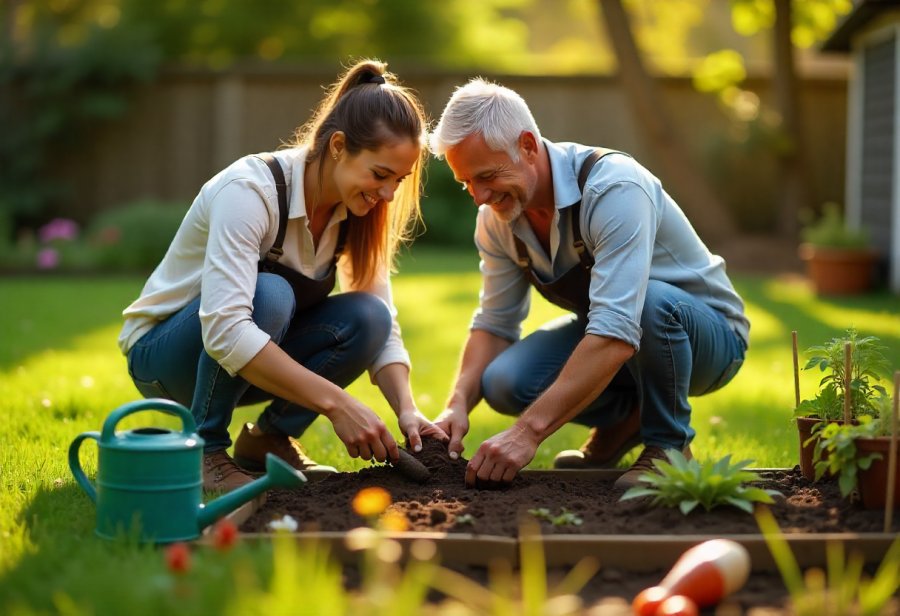
Beyond the numbers and studies, countless personal stories highlight how working with nature can be a gentle yet powerful form of healing. For many recovering from trauma or grief, tending to plants offers a non-verbal way to process complex feelings. The act of nurturing life provides a sense of purpose and control that can be deeply restorative. As we plant, water, and care for our garden, these routines become meditative, quieting a busy mind and creating space for reflection and emotional renewal.
When people garden together, these benefits multiply. Shared outdoor work fosters connection through cooperation and trust. As neighbors or loved ones collaborate on planting or weeding, they develop a shared language of gestures and small talk that deepens bonds. This physical cooperation encourages patience, active listening, and empathy—traits that naturally extend beyond the garden into daily life, strengthening relationships in meaningful ways.
Nature’s healing power isn’t limited to individual well-being; it also enhances group dynamics and community resilience. Whether in community gardens, therapeutic settings, or family plots, working in harmony with plants encourages teamwork and mutual support. Witnessing growth—both in plants and in relationships—reminds us that caring for something alive can be a catalyst for emotional strength and collective healing.
The simplicity of gardening belies its profound impact. It offers a direct, tangible connection to the natural world that grounds us amid life’s chaos. Feelings of calm, hope, and connectedness often blossom from these outdoor interactions, reinforcing our sense of belonging and resilience. In a world increasingly disconnected from nature, tending a garden becomes an act of reclaiming our emotional health and relationships.
This natural healing power is accessible to everyone. It doesn’t require special skills or equipment—just a willingness to get outside and be present. Whether tending a small balcony garden or a sprawling backyard, the act of caring for plants nurtures both the earth and our emotional roots. It reminds us that healing and connection are often found in the simplest acts—working side by side with nature.
In the end, engaging with the outdoors and embracing the healing potential of nature offers a quiet but profound way to foster deeper bonds. As science and stories show, the act of caring for plants and working in natural settings can transform our mental health and strengthen our relationships. It’s a gentle reminder that sometimes, the best way to heal and connect is simply to get our hands dirty.
Growing Together: Inspiring Stories of Transformation and Connection in Shared Gardens
Many stories highlight how shared gardening can transform relationships and foster healing. Take Sarah and Mark, a couple who struggled with communication. They started tending a vegetable garden together, and over time, those daily routines became more than just about growing food. As they worked side by side, planting and watering, they found themselves opening up more naturally. The garden became a space where they could reconnect without pressure, rebuilding trust piece by piece. The act of nurturing something together seemed to soften their communication barriers, helping them listen and understand each other better.
In urban neighborhoods, community gardens have created similar bonds. Neighbors who once barely exchanged words now work shoulder to shoulder, sharing tools, swapping tips, and celebrating small victories—like the first ripe tomato or a colorful burst of flowers. These collective efforts turn strangers into friends, rooted in mutual support and shared purpose. Over time, these gardens become gathering spots where relationships flourish naturally, proving that working the land together can rebuild a sense of community.
Parents and children often discover new connections through gardening. Many parents report that their kids develop patience and responsibility by watering and caring for plants. A grandmother shared how her grandchildren’s eyes lit up when they finally saw their sunflower sprout after weeks of care. These shared moments of effort and small successes create pride and cooperation, strengthening family bonds in simple, meaningful ways. Watching a seed grow or a flower bloom becomes a shared achievement that leaves lasting memories.
Therapeutic programs further illustrate gardening’s healing potential. Veterans recovering from trauma often find comfort in working with soil, plants, and tools. One participant described planting a small flower bed as a step toward feeling grounded again. The shared activity fosters trust and mutual care, creating a safe space for emotional recovery. Seeing progress in the garden reinforces that healing is a shared journey, built through cooperation and patience.
Across different settings, the common thread is clear: shared gardening nurtures emotional bonds. Whether between lovers, neighbors, families, or healing groups, working outdoors together encourages cooperation, empathy, and patience. These experiences become more than just tending plants—they become cultivating trust and understanding. The act of growing something together fosters resilience and connection that extend far beyond the garden, enriching lives and strengthening communities.
Envisioning the Future: How Technology and Urban Green Spaces Will Strengthen Human Bonds
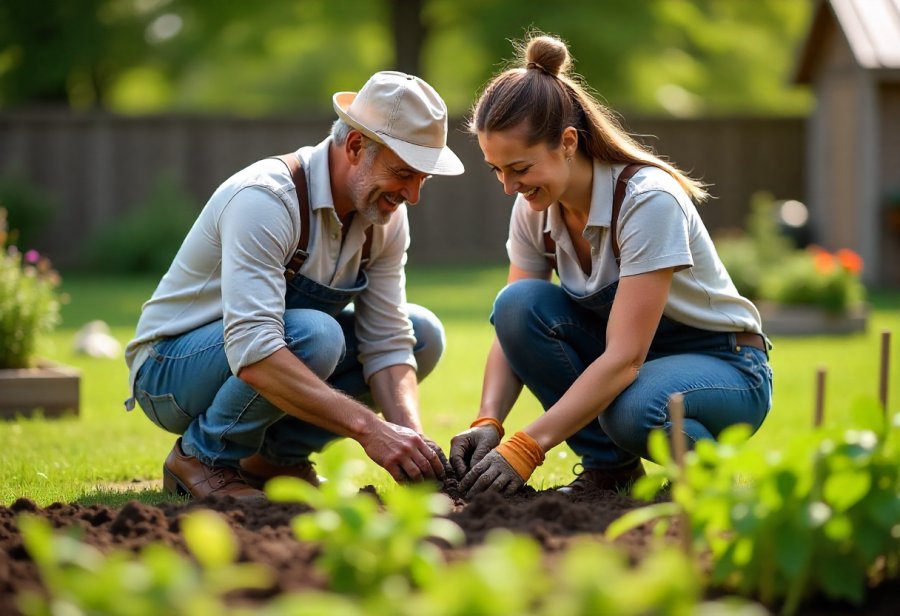
Looking ahead, the future of gardening and human connection is full of exciting possibilities. As technology advances, so does our ability to bridge physical distances and foster community through shared outdoor experiences. Virtual gardening platforms and social media groups enable enthusiasts to exchange tips, seeds, and stories from afar, creating a sense of belonging even when we can’t be physically close. These digital spaces help maintain and strengthen bonds, proving that connection in gardening isn’t limited by geography.
At the same time, outdoor therapy programs are expanding, blending gardening with mental health initiatives to reach broader audiences. Guided activities focused on planting and caring for plants emphasize trust, patience, and mutual support. These programs are increasingly accessible, helping individuals recover emotionally and build resilience through collaborative outdoor work. As mental health awareness grows, so will the role of gardening as a healing tool, making it an essential part of community well-being.
Innovations in gardening technology are transforming how we engage with the natural world. Smart tools, apps for planning and tracking plant growth, and augmented reality experiences make gardening more interactive and inclusive. These tools boost confidence for beginners, encourage family participation, and simplify maintenance of shared spaces. By integrating technology thoughtfully, gardening can become even more approachable and engaging, ensuring that people of all ages and backgrounds can participate in fostering connections through nature.
Urban landscapes are changing as well, with city parks, rooftop farms, and community gardens becoming vital social hubs. These green spaces serve as gathering points for people to grow food, share knowledge, and form relationships. As cities continue to prioritize green infrastructure, these communal gardens will play an even larger role in building resilience and fostering a sense of belonging. Even in crowded environments, nature remains a powerful force to unite diverse communities.
Educational initiatives and outreach efforts are shaping a future where gardening is seen as a vital tool for social cohesion. Schools, neighborhood programs, and workshops highlight how tending plants cultivates patience, empathy, and teamwork. Inspiring new generations to value sustainability and community care, these efforts position gardening as a universal language that bridges gaps and nurtures understanding across differences.
The growing emphasis on sustainability and local food movement aligns seamlessly with the social benefits of gardening. Community-led projects, urban farms, and green spaces not only promote environmental health but also create opportunities for collaboration and shared purpose. These collective efforts foster stronger bonds and resilience, turning gardening into a means of building more connected, caring societies.
As we imagine the future, it’s clear that gardening will continue to evolve as a powerful tool for connection and healing. Whether through digital communities, innovative technologies, or urban green spaces, planting roots today lays the groundwork for more compassionate, resilient neighborhoods tomorrow. The act of tending to the earth remains a timeless way to nurture not just plants but the very relationships that sustain us all.