What if true strength as a leader isn’t measured by external conquests or titles, but by inner discipline and moral clarity? This exploration reveals that the most enduring influence comes from cultivating resilience, self-control, and wisdom within. Drawing inspiration from Marcus Aurelius, Gandhi, and modern leadership experts, it becomes clear that internal virtues forge legacies far more lasting than fleeting external achievements. Leaders who prioritize self-awareness, emotional regulation, and moral integrity create a steady foundation amid chaos, inspiring trust and loyalty over time. But how do we develop this inner empire of strength? Through daily reflection, mindfulness, and embracing challenges as opportunities for growth, inner discipline becomes a continuous journey rather than a one-time effort. In a world of rapid change, mastering oneself offers a resilient compass for genuine influence—raising a compelling question: can the true power of leadership be found within?
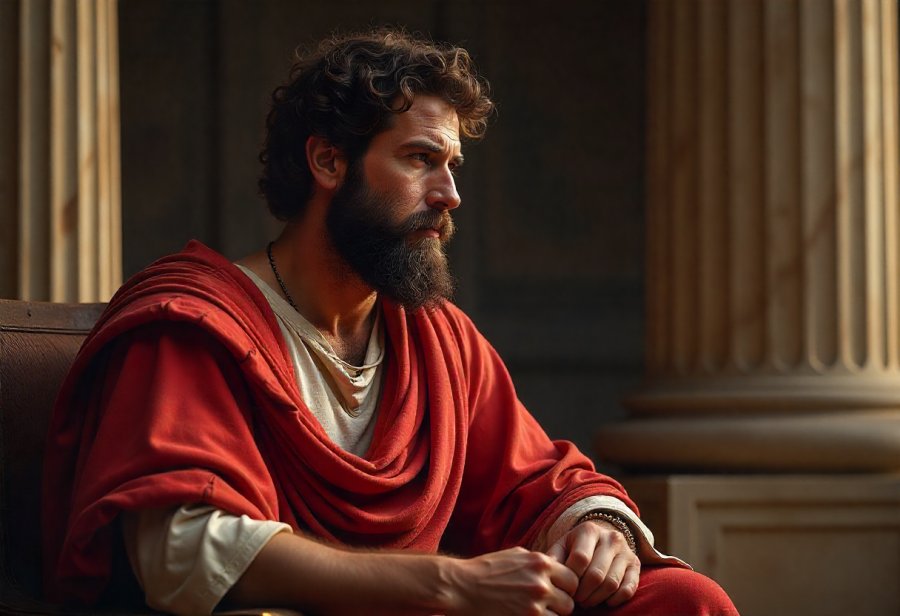
Inner Discipline: The True Foundation of Leadership Power
Leadership isn’t just about external achievements or gaining influence; at its core, it’s rooted in the strength we cultivate within ourselves. Many tend to associate leadership with titles, victories, or the size of one’s empire, but the most enduring leaders understand that true power begins from within. Inner discipline—self-control, resilience, and moral clarity—serves as the foundation for genuine influence that lasts beyond fleeting moments or external validation.
This inner strength shapes how leaders think, feel, and act, especially when no one is watching. It’s about developing a quiet confidence that isn’t dependent on external applause but is rooted in a deep understanding of oneself. Leaders who focus on cultivating this internal resilience can remain calm amid chaos, make thoughtful decisions under pressure, and stay true to their values, even when external circumstances are challenging. This isn’t about suppressing emotions but mastering them, creating a steady mental and moral compass.
Throughout history, some of the most impactful figures have prioritized inner discipline above all else. Marcus Aurelius, for example, governed an empire while practicing Stoic principles of self-control and humility. His writings, Meditations, reveal a ruler who constantly reflected on his shortcomings and maintained a calm, disciplined mind despite the chaos around him. These leaders show us that external power can be fleeting, but inner strength rooted in wisdom and self-mastery creates a legacy that endures.
Focusing on inner discipline shifts the conversation away from superficial displays of dominance toward the quiet confidence of those who lead from within. It reminds us that the most powerful leaders are often those who can master themselves first. Their ability to stay grounded and act with integrity provides the foundation for authentic influence that can inspire loyalty and admiration over the long term. In this way, true leadership becomes a reflection of inner strength rather than external conquest.
Mastering Self-Control and Resilience to Lead from Within
Inner discipline lies at the heart of genuine strength, guiding leaders to master their minds and emotions rather than being controlled by them. It’s about cultivating resilience and focus that stand firm against external pressures and internal doubts alike. When leaders develop this discipline, they create a mental environment where clarity and calmness become second nature, enabling thoughtful responses instead of impulsive reactions. This mastery over oneself transforms fleeting influence into lasting leadership.
Building inner discipline starts with self-awareness. Regularly checking in with your thoughts, feelings, and motivations helps you recognize patterns that either support growth or hinder progress. Practices like mindfulness meditation or focused breathing serve as anchors, fostering presence and emotional regulation. With consistent effort, these habits strengthen the ability to stay centered during stressful moments, making resilience an automatic trait. Over time, this internal clarity becomes a reliable foundation for steady leadership.
Resilience is crucial—it’s the capacity to bounce back from setbacks without losing sight of your purpose. Leaders who nurture resilience view challenges as opportunities to deepen their inner strength rather than insurmountable obstacles. This mental toughness isn’t about ignoring pain but understanding that perseverance is part of growth. Each obstacle faced and overcome adds another layer to their inner fortress, reinforcing the stability needed to lead with confidence through adversity.
Self-control complements resilience by ensuring actions align with core values rather than impulsive desires. It’s not about suppressing emotions but managing them wisely—channeling feelings into constructive decisions. Leaders exercising self-control maintain integrity and inspire trust, even when external circumstances tempt them to deviate. This disciplined approach to emotions and impulses helps ensure consistency, which is essential for authentic influence.
Developing inner discipline is a gradual process, demanding daily effort. Small routines like journaling reflections or setting intentional goals reinforce habits of self-awareness and resilience. Embracing discomfort and resisting shortcuts build mental toughness over time. These consistent actions shape a resilient inner world that supports authentic leadership, empowering individuals to act purposefully and calmly, regardless of external chaos.
Historical figures like Abraham Lincoln and Nelson Mandela exemplify the power of inner discipline. Their lives show that mastery over oneself—through reflection, perseverance, and moral clarity—creates a strength that endures beyond external achievements. Inner discipline is a skill that can be cultivated through deliberate effort, forming the bedrock of true leadership. It’s this inner resilience that ultimately sustains influence and inspires others over the long haul.
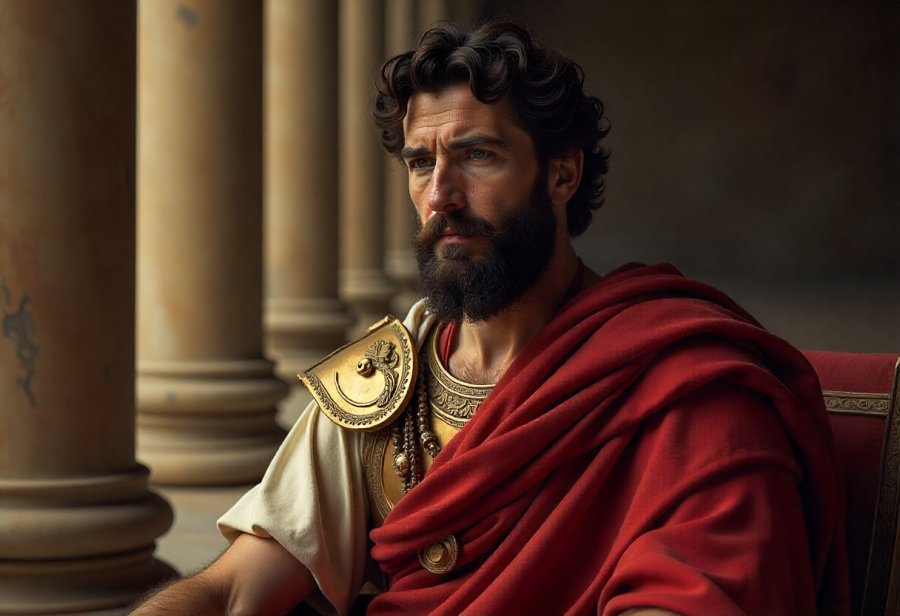
Wisdom Over Conquest: The Lasting Legacy of Inner Strength
Wisdom rooted in inner discipline often proves to be a more enduring form of power than external conquest. While armies can march across lands and empires can expand their borders, these achievements tend to be fleeting. External strength rises and falls with shifting politics, economic tides, and military might. In contrast, inner wisdom—fostered through self-control, reflection, and moral clarity—creates a foundation that withstands the test of time.
Leaders who focus on cultivating inner virtues gain insight into human nature and make decisions guided by integrity, not just immediate gains. Their influence isn’t dependent on external validation or material success but on the strength of their character. This inner empire of wisdom becomes a steady compass, guiding actions even amid chaos or uncertainty. Marcus Aurelius exemplified this approach, governing with humility and calmness despite wars and upheaval, showing that internal mastery leaves a legacy more lasting than external triumphs.
Historically, figures driven by inner discipline leave behind more meaningful legacies than those obsessed with conquest. Their authority stems from a moral authority that inspires trust and loyalty. When leaders prioritize wisdom and inner growth, they shape character—both their own and others’—in ways that endure beyond fleeting political or military victories. Unlike external gains that can be lost overnight, inner strength builds resilience and moral influence that persists long after tangible achievements fade.
External triumphs may produce immediate results—territories, titles, recognition—but they are fragile. Empires rise and fall, armies are defeated, borders shift. What truly sustains leadership is the moral and intellectual core that guides decisions and actions. Leaders who invest in developing their inner discipline foster a stable, enduring influence rooted in virtue, not transient power. This internal foundation acts as a shield against life’s storms, ensuring their impact endures through adversity.
Today’s influential figures increasingly recognize that lasting impact comes from inner virtues. CEOs, politicians, and thought leaders emphasize qualities like self-awareness, ethical clarity, and emotional resilience. These traits enable them to navigate crises with steadiness and inspire genuine trust. Their influence endures because it’s built on authentic moral authority—an empire of wisdom that external forces cannot dismantle. It’s this inner strength that transforms fleeting external power into a lasting legacy.
The lesson is clear: real power isn’t about external conquest but about developing the inner virtues that foster moral integrity and resilience. Wisdom, born from self-discipline, crafts a legacy that outlives armies and borders. It influences character, builds trust, and persists through life’s upheavals. Leaders who embrace this truth create a foundation of influence rooted in virtue rather than fleeting external success—an influence that can truly stand the test of time.
Insights from Philosophers and Leaders on Cultivating Inner Discipline
Many thinkers and leadership experts agree that inner discipline sits at the core of authentic leadership. Philosophers like Aristotle have long emphasized that cultivating virtue and self-control isn’t just a moral ideal but a practical foundation for trustworthy influence. Their insights highlight that moral strength isn’t merely an internal pursuit; it’s what underpins lasting relationships and respect. Moving into modern perspectives, figures like Daniel Goleman emphasize emotional intelligence—particularly self-awareness and self-regulation—as key tools for resilience and genuine connection. Leaders who understand and manage their own emotions tend to navigate challenges more effectively and inspire trust more deeply.
Historical examples reinforce these ideas. Marcus Aurelius exemplifies how inner discipline shapes a leader’s influence. His writings in *Meditations* reveal a ruler committed to Stoic principles of self-control, humility, and moral reflection, demonstrating that true strength arises from within. Similarly, Gandhi’s unwavering commitment to nonviolence and moral conviction showcases how inner resilience can lead profound societal change. These figures prove that leadership rooted in virtue and inner discipline leaves a legacy that endures far beyond external achievements.
Practicing daily reflection is a common thread among effective leaders. Regularly examining motives, actions, and thoughts cultivates self-awareness, which is crucial for inner discipline. Techniques like mindfulness meditation or focused breathing help foster presence and emotional regulation, making it easier to respond thoughtfully rather than react impulsively. Small routines—journaling, setting intentions—create habits that gradually fortify resilience and integrity, transforming internal strength into a steady, reliable foundation for leadership.
Surrounding oneself with like-minded individuals who share core values amplifies discipline. Such support fosters accountability and continuous growth, turning discipline into a shared pursuit rather than a solitary effort. Facing setbacks with this mindset isn’t seen as failure but as an opportunity to test and deepen resilience. This approach encourages leaders to see challenges as catalysts for internal strengthening, ensuring that discipline becomes an ongoing journey rather than a fleeting effort.
While inner discipline offers powerful advantages, balance remains essential. Overemphasizing self-control can lead to emotional suppression or rigidity, which might diminish empathy and adaptability. The most effective leaders learn to be disciplined without becoming detached or inflexible, maintaining openness to external realities. This balance ensures that inner strength supports both moral integrity and strategic responsiveness, making leadership authentic and adaptable in a complex world.
In the end, these insights from philosophy, history, and psychology underscore a simple truth: mastery over oneself is the foundation of genuine influence. Leaders who cultivate inner discipline create a resilient core that sustains them through adversity and inspires others to do the same. Their influence isn’t built on external validation but on a moral and emotional strength that endures long after fleeting external successes fade.
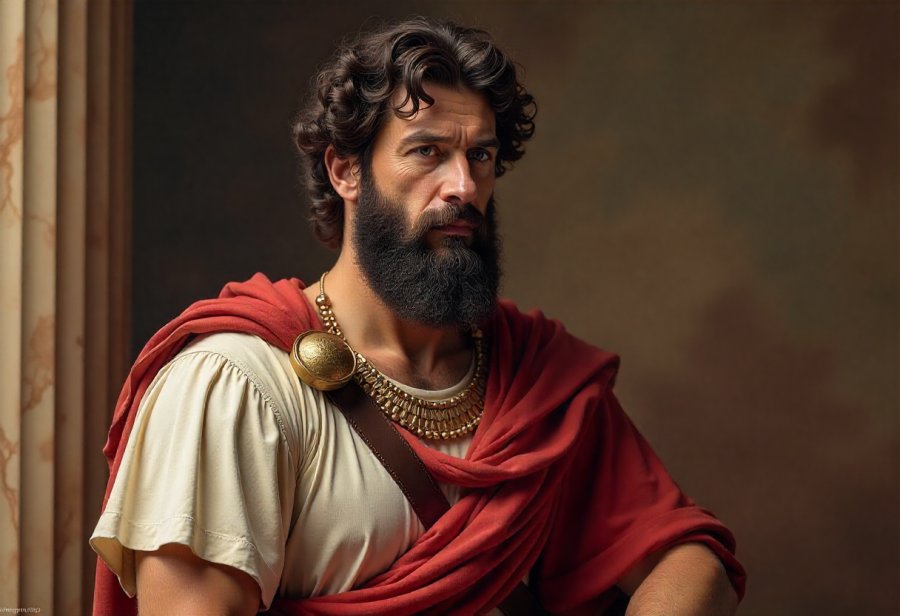
Building a Resilient Future Through Inner Strength and Virtue
As we look ahead, it’s clear that lasting leadership is rooted in inner discipline, wisdom, and self-mastery rather than external displays of power. Leaders who prioritize cultivating these qualities build a foundation that withstands the shifting tides of politics, economic upheavals, and societal turbulence. In a world marked by rapid change and unpredictability, inner strength acts as a steady compass, guiding decisions with clarity and moral integrity. This internal empire of resilience and virtue not only ensures personal stability but also inspires genuine trust and loyalty among followers, creating a more authentic form of influence.
History and philosophy show us that true power comes from within. Figures like Marcus Aurelius and Gandhi remind us that legacy isn’t built solely on external achievements, but on character, moral clarity, and inner resilience. These qualities leave footprints that outlast fleeting victories, shaping lives and societies long after the external accolades fade. Developing this inner empire of wisdom and strength isn’t just a personal virtue—it’s a strategic advantage in today’s complex landscape, empowering leaders to act with purpose and conviction in uncertain times.
Focusing on inner discipline transforms leadership from superficial bravado into a sustainable force. When leaders nurture mental resilience, emotional clarity, and moral integrity, they make decisions aligned with their core values. This authenticity fosters trust and respect, ultimately creating organizations and communities that thrive through adversity. Leaders who understand the importance of inner strength are shaping a future where influence is earned through virtue, not superficial power—building legacies that endure beyond the fleeting nature of external success.
Cultivating this inner resilience requires ongoing effort—daily habits like reflection, mindfulness, and embracing challenges as opportunities for growth. These practices reinforce self-awareness and emotional regulation, gradually strengthening the core that supports authentic leadership. Over time, discipline becomes a way of being, enabling leaders to navigate crises with calm confidence and moral clarity. This continuous commitment to inner growth ensures that influence remains rooted in integrity and purpose, ready to face whatever challenges lie ahead.
At its core, the journey toward inner discipline is about investing in ourselves—knowing that the most enduring empire we can build is within. By fostering patience, self-control, and moral strength, we create a legacy that endures through life’s storms. This internal foundation isn’t just a personal achievement; it’s a blueprint for authentic leadership and a more resilient world. As we move forward, embracing inner discipline will remain essential—not only for inspiring others but for shaping a future driven by genuine influence rooted in virtue.