Underground street racing is a high-octane culture rooted in rebellion, community, and identity, where speed transcends mere performance to forge unbreakable bonds. These clandestine nights in deserted urban locales become rites of passage, blending technical mastery with street art, music, and fashion. Beyond adrenaline, racers form tight-knit crews—families built through shared risks, late-night wrenching, and unspoken loyalty—where trust becomes the backbone of brotherhood. Yet, this scene faces ongoing challenges: legal crackdowns, safety hazards, and societal tensions. As technology evolves, some aim to channel passions into safer, organized events, while others cling to secrecy, driven by a relentless hunger for connection and adrenaline. Will this culture survive its risks and restrictions, or will innovation and responsibility redefine its future? Despite the obstacles, underground racing remains a powerful symbol of resilience and belonging, where speed and loyalty continue to collide in the shadows.
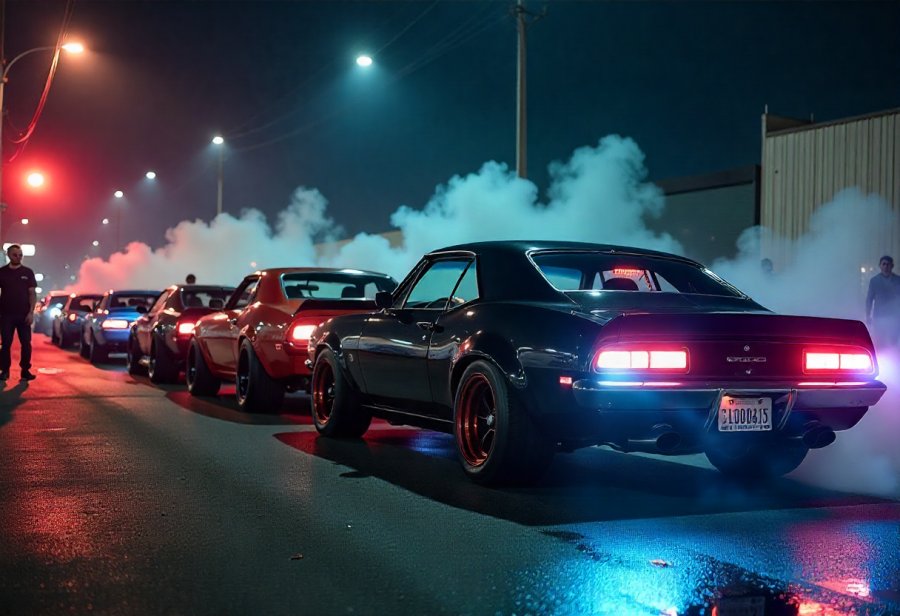
Underground Street Racing: A Culture of Rebellion and Identity
Underground street racing isn’t just about the thrill of speed; it’s a vibrant expression of urban youth culture that pulses with energy and rebellion. Usually held late at night, away from the watchful eyes of law enforcement, these clandestine events unfold in deserted streets, parking lots, or abandoned industrial zones. For many young racers, it’s more than a rush—it’s a way to forge identity, find community, and break free from societal constraints. In this scene, trust and loyalty are just as vital as horsepower, creating a sense of brotherhood that runs deep under the neon glow.
The atmosphere during these races is electric. Polished cars, modified for performance and style, line up in tense anticipation. Engines growl, tires squeal, and headlights cut through the darkness like streaks of lightning. The flickering streetlights and colorful neon signs add to the cinematic energy, while the collective heartbeat of racers and spectators heightens the moment. These nights aren’t just about speed—they’re about proving oneself, earning respect, and belonging to something bigger than the individual.
This underground culture has roots that stretch back decades. It began with car enthusiasts gathering secretly to test their vehicles on empty roads, driven by a desire to push limits and stand out. Over time, these meetups grew into a subculture that celebrated technical mastery, creativity, and competition. As cars became more customizable, racers developed unique styles—turbocharged engines, lowered suspensions, eye-catching paint jobs—that became symbols of their identity. This evolution intertwined with the vibe of city life, blending street art, music, and fashion into a dynamic cultural tapestry.
Beyond the adrenaline, street racing fosters a powerful sense of community. Crews often feel more like families, built through late-night tuning sessions, shared secrets, and mutual support. Trust is everything—knowing your crew will stand by you in times of trouble creates bonds that transcend the asphalt. Rituals like secret meet spots and coded language reinforce loyalty, turning a group of enthusiasts into a tight-knit brotherhood. These relationships are rooted in resilience, shared risk, and a collective passion for speed and craftsmanship.
Despite its underground status, the influence of street racing is widespread. It mirrors urban energy, showcasing local talent through modified cars, street art, and music. The scene acts as a social glue, bringing together diverse groups and fostering lifelong friendships. For many, it’s a form of self-expression and resistance—a way to carve out a space where their skills and identity can flourish away from societal expectations. The bonds formed here often last a lifetime, built on trust, loyalty, and the shared adrenaline of racing in the shadows.
While critics highlight safety concerns and community disturbances, underground street racing remains a powerful symbol of youthful rebellion and resilience. Its significance extends beyond the thrill of the ride—it’s about belonging, identity, and the unbreakable brotherhood that drives these urban nights. As long as young racers seek connection and challenge, this culture will continue to thrive, evolving in the shadows but never losing its rebellious spirit.
Roots and Evolution: The Cultural Foundations of Street Racing
Street racing’s roots trace back to mid-20th-century car culture, when enthusiasts began gathering in secret to see how fast their vehicles could go. These early meets weren’t organized events but spontaneous acts driven by a shared desire to push limits and stand out. Over time, these clandestine gatherings evolved into a distinct subculture, fueled by innovation, competition, and the need for recognition. As cars became more customizable, racers began modifying engines, suspensions, and exteriors, turning their vehicles into personal statements of style and skill.
This underground scene didn’t develop in isolation. It grew alongside urban landscapes, blending seamlessly with local music, fashion, and street art. These elements reflected the grit and creativity of city life, transforming racing from pure performance into a form of self-expression. Small, secret meets gradually transitioned into organized, underground races, often coordinated through word-of-mouth, online forums, and social networks. As these events grew in size and reputation, they became a vital part of urban identity, attracting diverse communities united by a shared passion for speed and craftsmanship.
Technical mastery and community codes soon became central to the scene’s identity. Racers personalized their cars with turbocharged engines, lowered suspensions, and eye-catching paint jobs, each modification telling a story of individual flair. Strategies like slick launches and slipstreaming turned street racing into a game of street chess, where trust and loyalty were as crucial as the cars themselves. Crews formed tight-knit families, sharing secrets, tuning cars together, and supporting each other through setbacks, reinforcing a culture rooted in resilience and mutual respect.
The rebellious spirit of street racing also fostered legends—drivers known for daring runs and innovative builds that pushed the boundaries of possibility. Breakthroughs like electronic tuning and turbocharging became symbols of ingenuity, inspiring new generations to challenge the limits of their vehicles and themselves. Each race added to the mythos, cementing street racing as a symbol of urban grit, craftsmanship, and the unyielding pursuit of excellence.
Despite its clandestine nature, the cultural impact of street racing remains profound. It acts as a mirror to urban energy, showcasing local talent through modified cars, street art, and music. The scene fosters lifelong friendships, a sense of belonging, and a resilient spirit that endures despite external pressures. For many, it’s more than just illegal activity — it’s a vital form of self-expression, a way to carve out identity in a world that often seeks to confine them.
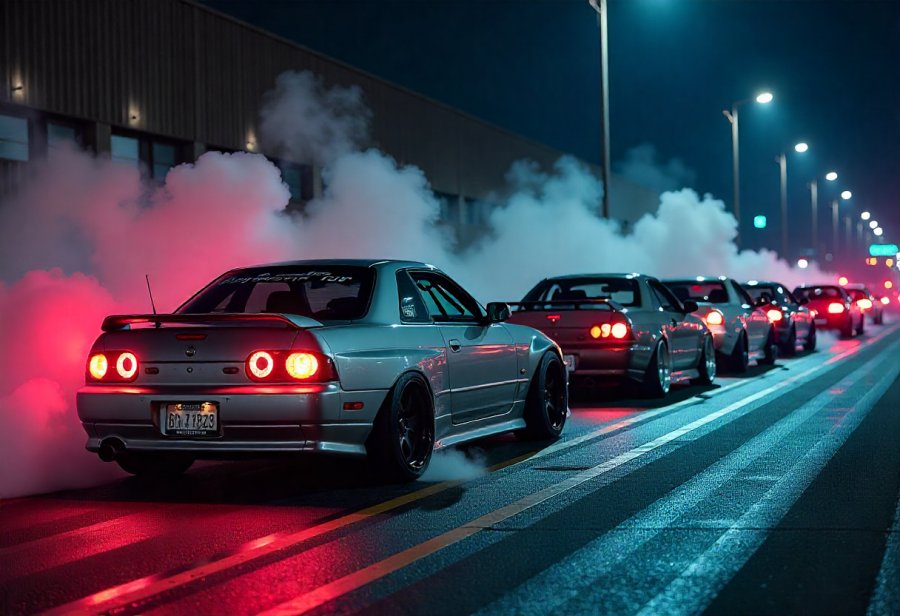
Brotherhood on the Streets: Loyalty, Rituals, and Unbreakable Bonds
In underground street racing, the bonds that form go far beyond the thrill of speed. These crews often feel more like families, built through countless late-night wrenching sessions, shared secrets, and mutual support. Trust isn’t just a word here; it’s the foundation that holds everything together. Knowing your crew has your back—whether it’s troubleshooting a tough engine problem or covering for a risky race—creates a loyalty that runs deep. Over time, these relationships evolve from casual acquaintances into unbreakable brotherhoods, forged through shared hardship and adrenaline-fueled moments.
Rituals and unspoken rules play a crucial role in reinforcing this sense of belonging. Secret meeting spots, coded language, and subtle gestures aren’t just about staying hidden—they symbolize allegiance and shared identity. A simple nod or handshake carries more weight than words, signaling trust and loyalty without need for explanation. These rituals help crews maintain cohesion and protect their turf, embedding a culture rooted in resilience, respect, and mutual understanding.
Support within these groups extends well beyond technical advice. When a racer faces setbacks—be it a blown engine, legal trouble, or a crash—the crew rallies to lift each other up. They share tools, offer guidance, and provide emotional backing, knowing that their unity is what keeps the scene alive. This mutual backing transforms individual risks into collective strength, turning moments of danger into opportunities for growth and loyalty. In such an environment, adrenaline becomes intertwined with a sense of shared responsibility and commitment.
Respect and reputation hinge on trust and unwavering loyalty. Betrayal—revealing secrets or turning on a teammate—can lead to exile or loss of respect. The unspoken codes emphasize honesty, resilience, and support, shaping how members interact and uphold the scene’s integrity. Protecting each other’s safety and reputation isn’t just about individual pride; it’s about maintaining the cohesion and strength of the entire brotherhood.
Night racing sessions exemplify this kinship. As engines roar and tires squeal, racers work silently side by side, sharing fleeting moments that forge lifelong bonds. These late-night runs aren’t just about pushing limits—they’re about trust, camaraderie, and the unspoken understanding that each depends on the other’s skill and loyalty. Every race becomes a test of brotherhood, transforming adrenaline into unbreakable connections that outlast the night.
Friendships often start with a shared passion for cars and customization. Late-night wrenching, swapping ideas, and celebrating wins build camaraderie rooted in mutual respect. These bonds extend beyond the streets, often turning into lifelong friendships that weather technical challenges and personal struggles alike. Supporting each other through setbacks and sharing moments of triumph creates a community that feels more like a family—one built on trust, loyalty, and a shared love for the craft.
The danger involved in street racing only deepens these bonds. Facing high speeds and unpredictable environments means racers depend heavily on each other’s skills and trust. They rely on their crew’s support not just to win races but to stay safe amidst chaos. This shared risk transforms adrenaline into a foundation for loyalty, where every race tests not only speed but the strength of their commitment. It’s in these perilous moments that fleeting encounters become lifelong brotherhoods, bonded by shared danger and unbreakable trust.
Impact and Influence: Navigating Risks and Shaping Communities
Underground street racing leaves a lasting mark on both individuals and their communities, shaping identities and local cultures in complex ways. For many racers, participating in these clandestine events provides more than just adrenaline; it offers a sense of purpose, belonging, and pride that’s often missing elsewhere. Being part of a crew or close-knit group builds technical skills like vehicle tuning and strategic thinking, which can boost confidence and open doors beyond racing. These shared passions foster lifelong friendships rooted in mutual respect and a common love for speed.
However, the thrill can come at a heavy cost. Illegal racing frequently results in legal trouble, injuries, or even fatalities, with accidents often happening in unpredictable environments. The excitement of high-speed runs sometimes clouds safety considerations, leading to tragic consequences that ripple through communities. Noise complaints, vandalism, and the risk of accidents strain local resources and create tension with residents, many of whom see street racing as a disruptive nuisance. Law enforcement efforts to crack down on illegal events often push the scene further underground, making it even harder for responsible racers to participate openly.
Some groups are trying to shift the culture toward safer outlets by organizing legal events such as track days and sanctioned meets that emphasize safety and community respect. These initiatives aim to channel the passion for racing into controlled environments, preserving the camaraderie and technical mastery that define the scene. Yet, a divide remains between those dedicated to responsible practices and others who prioritize reckless speeds, increasing the danger for everyone involved. This ongoing tension highlights the challenge of balancing enthusiasm with public safety.
The constant pressure from law enforcement and surveillance technologies influences how racers operate. As authorities develop more sophisticated methods to detect and penalize illegal races, racers are pushed to get even more creative in staying under the radar. Despite these obstacles, online forums and social media help maintain connections, allowing enthusiasts to share ideas and organize clandestine meets. This digital backbone sustains the scene’s community and keeps the bonds alive, even when physical gatherings become riskier.
Safety concerns are unavoidable, especially as speeds increase and racing environments become more unpredictable. Crashes are common and often devastating, affecting not only the racers but innocent bystanders as well. Such incidents can leave communities traumatized, grappling with property damage and loss of life. These tragedies underscore the importance of promoting safer practices and fostering environments where passion can flourish responsibly, reducing the potential for harm while respecting the cultural significance.
Despite ongoing risks and crackdowns, underground racing continues to influence local culture deeply. It acts as a form of urban expression, showcasing talent through modified cars, street art, and music that reflect the city’s grit. The scene fosters a social fabric that unites diverse groups, creating mentorships and friendships that extend beyond the street. For many, it’s more than illegal activity—it’s a way to carve out identity, demonstrate skill, and build community bonds rooted in loyalty and resilience.
Looking ahead, the scene is likely to evolve, blending tradition with innovation. Advances in technology, like digital tuning and online organizing, will keep the community connected and adaptable. While some racers will continue to push boundaries underground, others seek safer, organized ways to race. Promoting respect, responsibility, and community engagement can help sustain the culture, ensuring that the bonds of brotherhood and love for speed endure despite external pressures. Ultimately, underground racing remains a powerful expression of resilience and identity, shaping lives and communities in ways that go far beyond the asphalt.
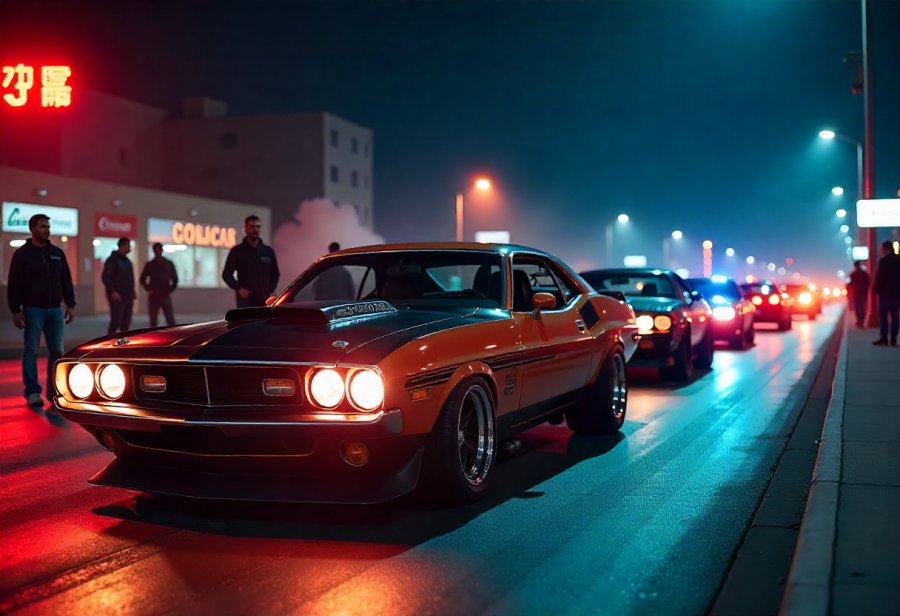
The Road Ahead: Future Trends and the Enduring Spirit of Underground Racing
Underground street racing has proven to be more than just a fleeting thrill; it’s a resilient culture that continuously adapts and thrives despite legal pressures and safety concerns. Advances in technology, like digital tuning tools and online forums, have made it easier for enthusiasts to connect, share strategies, and push their cars to the limit—often in more discreet ways. This blend of innovation and rebellion keeps the scene alive, driven by a deep desire for community, self-expression, and the adrenaline rush of speed.
Looking ahead, the scene is likely to find a balance between tradition and innovation. Some groups are working to channel their passion into safer, more organized events such as legal track days and sanctioned meets. These efforts aim to preserve the brotherhood and technical mastery that define underground racing while reducing risks for participants and neighbors alike. Yet, many racers will continue to seek clandestine ways to race, fueled by the same hunger for adrenaline and belonging that has always driven the culture.
The core values—loyalty, resilience, and brotherhood—remain the heartbeat of this scene. Even as authorities tighten their grip and surveillance becomes more sophisticated, the bonds formed in late-night races and shared tuning sessions are too strong to break. The relationships built through shared risk and mutual respect turn fleeting moments into lifelong connections. As long as young drivers seek a space to demonstrate skill and forge community, underground racing will persist, evolving in new ways but never losing its rebellious spirit.
Safety and responsibility will play an increasingly important role in shaping the future of underground racing. Promoting safer practices, supporting legal alternatives, and fostering community dialogue can help protect lives while honoring the culture’s roots. Technologies like online platforms will continue to influence how racers organize and connect, pushing the scene into more digital space—yet the desire for connection and adrenaline remains unchanged. This ongoing evolution promises to keep the brotherhood alive, even as it navigates new challenges.
In essence, underground street racing is more than just a passion for speed; it’s a testament to resilience, identity, and the enduring human need for belonging. The bonds formed in the shadows, built on shared risk and respect, are too powerful to fade. As technology advances and societal attitudes shift, this culture will adapt but never disappear completely. It will continue to be a space where youth express themselves, challenge limits, and find a sense of family—an underground brotherhood that endures through every twist and turn on the road ahead.