Embarking on the journey to learn how to swim can be daunting, especially if water has been a source of fear. But what if the first brave step—dipping toes into the pool—could unlock confidence and independence? This guide emphasizes gradual progress, using tools like kickboards and goggles to build trust and reduce anxiety. As beginners celebrate small victories, such as floating or blowing bubbles, they lay a strong foundation for water safety and skill mastery. Modern approaches highlight inclusive, engaging instruction that makes learning enjoyable at any age. The benefits extend beyond safety—improving physical health, reducing stress, and fostering resilience. With patience and persistence, water transforms from a place of apprehension into a space of empowerment and joy. Are you ready to face your fears and discover the freedom that learning to swim can bring? Every splash is a step toward lifelong confidence.
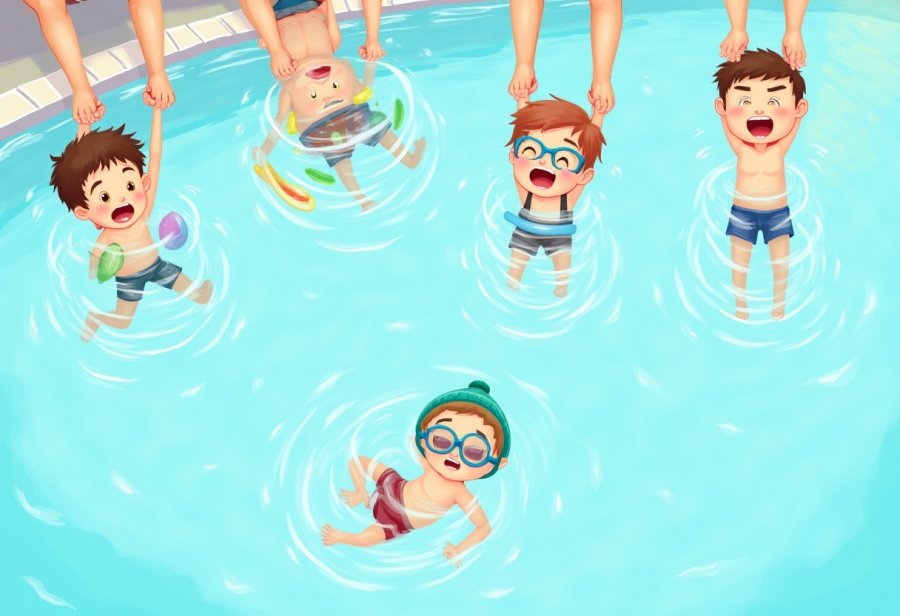
Taking the First Splash: Overcoming Fear and Building Water Confidence
Learning to swim can feel like a big leap, especially if water has been a source of hesitation or fear. Starting this journey often begins with small, manageable steps—like dipping your toes in a shallow pool or practicing breathing exercises on dry land. The key is to approach it gradually, building comfort and confidence without rushing. Many find that with the right guidance, those initial moments of uncertainty quickly give way to curiosity and a sense of achievement.
Finding a qualified instructor or a reputable swim school is a great first move. A good teacher will prioritize your safety and help you feel comfortable in the water before moving on to more technical skills. Beginning in a shallow pool where you can touch the bottom reduces anxiety and makes it easier to focus on simple tasks like floating or blowing bubbles. These small experiences lay the groundwork for more confident water interactions later on.
Support tools like kickboards, goggles, or floaties can make a noticeable difference in your early practice sessions. They provide a sense of security and help you focus on specific skills without feeling overwhelmed. For example, kickboards allow you to practice kicking motions independently, which builds strength and confidence. Goggles help you see clearly underwater, making breathing exercises and floating feel more natural. Using these aids encourages a positive attitude and a willingness to explore the water.
Patience is crucial as you navigate this process. Setting tiny goals—such as floating for a few seconds or taking a couple of breaths underwater—keeps progress steady and manageable. Short, consistent practice sessions are more effective than long, exhausting attempts. Over time, your body becomes accustomed to water’s sensations, and those small victories start building a more solid foundation of trust and comfort.
Nervousness and self-consciousness are common at this stage. Many beginners worry about losing control or drowning, but these fears often diminish once you start to gain experience. Focusing on what you can control—your breathing and your willingness to try—helps shift your mindset. Celebrating every little success, whether it’s putting your face in the water or floating unaided, reinforces your progress.
Watching instructional videos or reading beginner guides can also boost your confidence. Visual demonstrations provide clarity and motivation, showing you that everyone starts somewhere. Remember, even experienced swimmers were once beginners, and every step forward counts. The most important part is to keep a positive outlook and stay committed to your small, achievable goals.
Taking that first step into the water might be the hardest part, but it’s also the most rewarding. Approaching swimming with patience, support, and curiosity transforms initial fears into opportunities for growth. Each small effort—whether it’s practicing breath control or floating—brings you closer to feeling at home in the water. That’s how confidence begins to grow, one splash at a time.
Core Skills and Life-Changing Benefits of Learning to Swim
Learning to swim isn’t just about staying afloat—it’s about developing a set of core skills that promote safety, confidence, and efficiency in the water. At its foundation, swimming involves mastering basic techniques like breath control, body positioning, and smooth movement. While these may seem straightforward, they are essential for staying relaxed and moving effectively. Practicing these fundamentals consistently helps your body develop a natural, fluid rhythm that makes swimming feel easier and more intuitive.
One of the biggest advantages of learning to swim is the confidence it instills. When you understand how to breathe properly, float, or tread water, you gain a sense of control that extends beyond the pool. This sense of mastery creates a feeling of independence, whether you’re at the beach, lake, or poolside. Water no longer feels like an obstacle but a space where you can feel safe and capable, transforming initial fears into a feeling of empowerment.
Swimming also offers significant physical benefits. It’s a low-impact workout that engages your entire body, improving strength, flexibility, and cardiovascular health. Unlike many land-based exercises, swimming is gentle on joints while still providing a challenging workout. As you refine your techniques and become more efficient, you’ll notice increased stamina and muscle tone, supporting your overall health and making staying active easier over time.
Beyond the physical, swimming can be a powerful tool for mental well-being. The rhythmic breathing, calming sensation of water, and focus required for proper technique help reduce stress and promote mindfulness. Many swimmers find that time spent in the pool becomes almost meditative, offering a mental break from everyday worries. Moreover, learning new skills builds resilience and patience, qualities that benefit other areas of life and boost your overall confidence.
Safety remains a core reason for acquiring water skills. Knowing how to float, tread water, and recognize your limits can prevent accidents and even save lives. These skills are especially crucial if you spend time around lakes, oceans, or with children. Gaining water confidence not only makes water activities safer but also allows you to enjoy them more fully, free from fear or hesitation.
Understanding water’s physical properties adds another layer to your swimming journey. Learning how water responds to movement and pressure helps you refine your strokes, swim more efficiently, and stay calm in emergency situations. Familiarity with water dynamics can make the difference between panic and composed action, which is vital in ensuring safety and confidence.
As your skills grow, so does your ability to explore more advanced strokes, deeper waters, and even participate in recreational or competitive swimming. Each new challenge builds on the last, creating a sense of achievement and opening up more opportunities for fun, fitness, and social connection. Learning to swim is a lifelong journey that continues to reward with every new milestone.
Ultimately, mastering water skills transforms fears into confidence and insecurity into independence. With patience and persistence, water becomes a space of empowerment, joy, and discovery. Developing these core principles sets a foundation that supports your ongoing growth, ensuring that water remains a source of safety and happiness throughout your life.
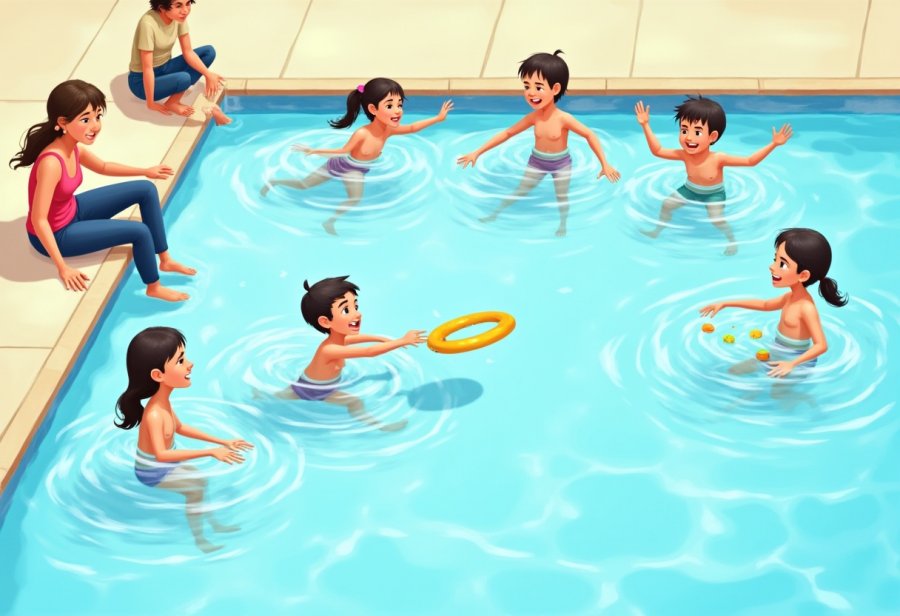
Modern Trends and Innovations Transforming Swimming Education
Today, attitudes toward swimming have become more inclusive and safety-conscious than ever before. There’s a growing recognition that water confidence is vital for everyone, regardless of age or background. Many programs now focus on helping adults who missed out on learning earlier in life, emphasizing that it’s never too late to start. These initiatives aim to make water a safe and inviting space, encouraging diverse groups to overcome fears and enjoy the benefits of swimming.
Technological advancements have revolutionized how people learn to swim. Virtual lessons, mobile apps, and online tutorials offer flexible, accessible options that fit modern lifestyles. Swimmers can review techniques at their own pace, track progress, and stay motivated through videos and interactive feedback. Underwater cameras and video analysis tools further enhance learning by providing visual cues, enabling quicker correction of form and building confidence faster than traditional methods.
Instructors today prioritize creating engaging, supportive environments. Many swim schools integrate games, group activities, and personalized coaching to make lessons more enjoyable. This approach helps reduce intimidation and fosters a sense of community among learners. The emphasis on fun and encouragement transforms the idea of learning to swim from a daunting task into an enjoyable experience, encouraging persistence even when progress feels slow.
Water safety remains a cornerstone of modern swimming education. Programs now teach essential skills like floating, treading water, and hazard recognition from the very beginning. Investment in better facilities, lifeguard training, and public awareness campaigns work together to prevent accidents and promote lifelong water safety habits. These efforts make water activities safer for beginners and families, helping more people feel comfortable and confident around water.
Cultural perceptions of swimming are evolving as well. It’s increasingly seen as a vital part of health and wellness routines, not just recreation. More adults are discovering the physical and mental benefits, from stress relief to improved cardiovascular health. This shift encourages lifelong engagement, with many viewing swimming as a way to stay active and connected. Media portrayals often highlight water as a symbol of freedom and adventure, inspiring new generations to embrace water safety and enjoyment.
Practical Steps to Embark on Your Swimming Journey
Starting your swimming journey can feel intimidating, but taking small, deliberate steps makes a big difference. Find a qualified instructor or a reputable swim school that emphasizes safety and gradual progress. A good teacher will help you feel comfortable in the water before moving on to more challenging skills, starting you off in a shallow pool where you can touch the bottom. This reduces anxiety and creates a safe space to practice basics like floating or blowing bubbles, laying the groundwork for confidence in the water.
Getting familiar with essential safety techniques early on is key. Practice floating on your back and stomach, work on treading water, and learn to recognize your limits. Support tools such as kickboards, goggles, and floaties can be invaluable, providing a sense of security and allowing you to focus on specific skills without feeling overwhelmed. These aids help build confidence and make each session more positive, encouraging you to keep progressing.
Patience and consistency are your best allies. Set small goals for each practice—like floating for a few seconds or taking a couple of breaths underwater—and celebrate those victories. Short, frequent sessions are more effective than long, exhausting attempts. Over time, your body will adjust to water’s sensations, and each small achievement will reinforce your trust and comfort. Remember, everyone progresses at their own pace, and steady effort beats rushing into advanced techniques.
Nervousness or self-consciousness are common starting feelings. Focus on controlling what you can—your breathing, your willingness to try, and your attitude. Every small step forward, whether it’s dipping your face into the water or floating independently, adds up. Watching instructional videos or reading beginner guides can also clarify techniques and boost your motivation, reminding you that even seasoned swimmers started with hesitation.
The most important part is to approach each session with a positive mindset. Water confidence grows through patience and persistence, transforming fear into familiarity and independence. Taking that first step might be the hardest, but it’s also the most rewarding. With support, practice, and a willingness to learn, you’ll soon find yourself enjoying water in ways you never thought possible. Every small effort brings you closer to a lifelong relationship with swimming—one built on safety, confidence, and enjoyment.
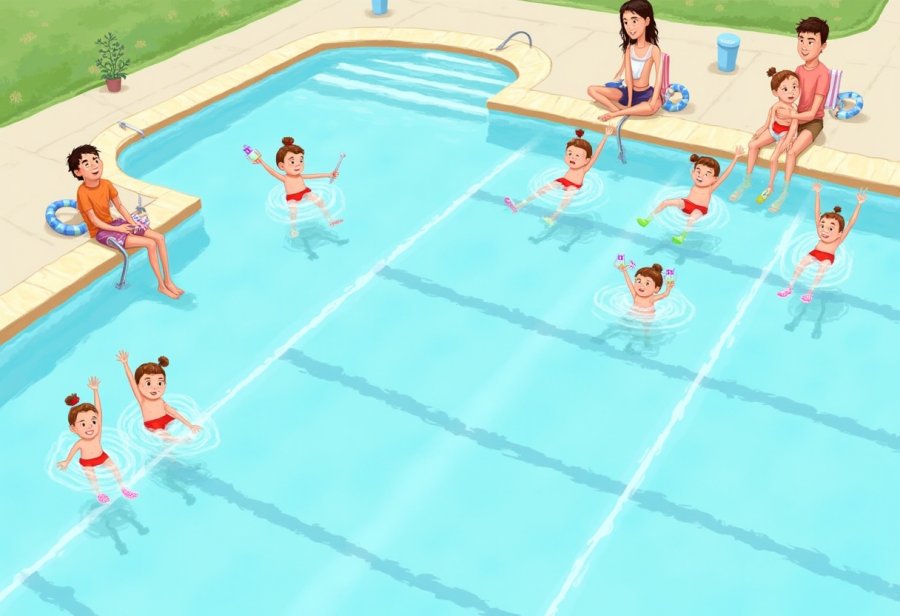
Embrace the Water: Ongoing Growth and Lifelong Confidence
Once you’ve taken those initial steps and started building water confidence, the journey doesn’t end there. Consistent practice is key to turning early successes into lasting skills. Spending regular time in the water helps reinforce techniques, deepen comfort, and make swimming feel more natural. As confidence grows, you’ll find yourself exploring different environments—whether it’s a pool, lake, or ocean—without hesitation. The more you practice, the more fears fade, replaced by a sense of mastery and freedom that lasts a lifetime.
Swimming progress is ongoing, no matter your skill level. Even experienced swimmers continue to refine their strokes, learn new techniques, or challenge themselves with deeper waters. This continuous growth keeps water a safe and enjoyable space, not just a place for lessons. Setting small, achievable goals—like swimming a little farther or trying a new stroke—keeps motivation high and makes each step rewarding. Building on these milestones creates a solid foundation that supports your ongoing connection with water.
Making water confidence a lifelong pursuit opens up endless opportunities for fun, fitness, and connection. Swimming becomes more than just a skill; it’s a way to explore nature, meet new people, or challenge yourself physically and mentally. Whether you’re participating in community swim events, trying open water swimming, or simply enjoying a day at the beach with loved ones, staying engaged keeps your skills sharp and fears at bay. Each new experience fosters a deeper sense of joy and empowerment in water.
Expect setbacks—they’re part of any growth process. Some days might feel less confident, or progress may slow. That’s normal. The key is to stay patient and kind to yourself. Celebrate every small victory and remember that every return to the water strengthens resilience. These moments of persistence turn into habits that reinforce safety and enjoyment, transforming water from a source of anxiety into a space of trust and freedom.
Keep moving forward, no matter where you start. Water confidence isn’t a one-time achievement but a lifelong journey. As you continue practicing, learning, and pushing your boundaries, water becomes an ally in your quest for well-being, adventure, and personal growth. Each splash, breath, and stroke brings you closer to a more confident, resilient version of yourself. With patience and persistence, the benefits of water confidence extend far beyond the pool—enhancing your life in ways you might never have imagined.