Learning to ride a bike is more than a physical skill; it’s a profound journey into courage, resilience, and the bonds of family. This universal milestone embodies the thrill of independence and the fear of falling—raising the question: does the risk outweigh the reward? As children wobble and fall, they learn vital lessons about trust, patience, and perseverance, supported by loving families who turn each stumble into a step forward. Across cultures and generations, cycling symbolizes growth, empowerment, and community connection. The process emphasizes key concepts—balance, coordination, and safety—fostering confidence that extends beyond the bike. With practical strategies and encouragement, children transform initial fears into lifelong resilience. But what happens when the fear of falling begins to overshadow the joy of riding? This compelling journey reveals that overcoming fears and embracing support are the true paths to independence, shaping resilient, confident individuals ready to face any challenge.
The Heartfelt Journey of Learning to Ride: Bonds, Bravery, and Growth
Learning to ride a bike is more than just picking up a new skill; it’s a moment that often becomes a cherished family memory. From the first shaky pedals to the triumphant moment of independence, each step is filled with emotion—nerves, patience, and joy all intertwined. For children, mastering the bike symbolizes stepping into a new realm of freedom and confidence, while for parents, it’s a milestone of trust and support. These shared experiences create bonds that go beyond the physical act of riding, fostering a sense of teamwork and reassurance.
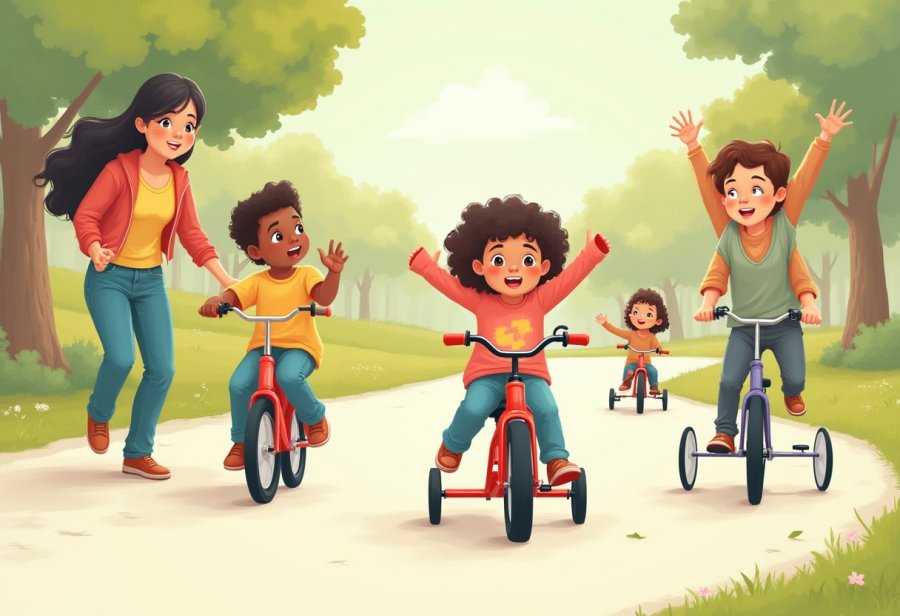
The process of learning to ride is deeply rooted in family connection. As parents run alongside, offering steadying hands and encouraging words, children feel supported in their efforts. Every wobble and fall becomes a part of the journey, not a setback but a stepping stone toward growth. This act of overcoming fear together strengthens trust and reminds everyone involved that perseverance and patience are key to progress. The small victories—like balancing a few seconds longer or pedaling without help—become moments of shared pride and accomplishment.
Beyond the physical challenge, learning to ride also embodies emotional bravery. Facing the fear of falling, trusting in their own balance, and pushing through initial hesitations teach children resilience. These lessons, learned on two wheels, extend into other areas of life, encouraging a growth mindset and confidence in the face of new challenges. It’s a rite of passage that highlights the importance of support, patience, and persistence—values that shape character as much as skill.
The significance of this milestone reaches across cultures and generations. Whether in bustling cities or quiet suburbs, the universal thrill of that first successful ride connects us all. It’s a symbol of independence, adventure, and self-reliance—qualities that are nurtured through the simple act of learning to ride. As children gain mastery, they discover that overcoming fears leads to new possibilities and a deeper understanding of their own strength.
This journey is also about creating lasting memories. The shared laughter, the comforting words during wobbly moments, and the pride in each small achievement forge bonds that last a lifetime. The act of learning to ride becomes a powerful reminder that growth often involves risk and vulnerability, but with support, those risks turn into rewards. It’s a celebration of courage, family, and the joy of discovering what we’re capable of when we face our fears head-on.
Universal Milestone: The Cultural Significance of Mastering the Bicycle
Learning to ride a bike has been a universal milestone for over a century, echoing across cultures and generations. It’s more than just a childhood skill; it symbolizes freedom, independence, and personal growth. Whether in bustling cities, quiet rural areas, or suburban neighborhoods, children face similar challenges and triumphs on their way to mastering two wheels. These shared experiences create a common thread that connects us all, transcending language, background, and geography.
The evolution of bicycle technology has influenced how children learn to ride. Early bikes were heavy and simple, with no gears or safety features, making falls and scrapes a natural part of the process. Despite this, the excitement of riding remained undiminished. As design improved—lighter frames, training wheels, helmets—the act of learning became safer and more accessible, encouraging kids to take those first confident pedals with less fear of injury.
Across different societies, bicycles have long represented self-reliance and adventure. In countries like the Netherlands and Denmark, bikes are woven into daily life from a young age. Children learn to navigate their neighborhoods independently through family outings or community rides, reinforcing a sense of freedom. In many places, bikes serve as vital tools for social mobility, helping kids reach school and playmates, further embedding cycling into daily routines and cultural identity.
Teaching methods have also evolved, emphasizing patience and gradual skill-building. Parents and instructors now often use balance bikes and organized programs that focus on developing equilibrium before pedaling. This approach reduces intimidation and fosters confidence, making the learning process feel more like a natural progression rather than a daunting task. The focus on safety gear and supportive environments allows children to experiment and learn from their mistakes without excessive fear.
Stories of pioneering figures and social movements highlight cycling’s broader cultural significance. For many, riding has symbolized resilience and breaking social norms—empowering women, advocating for freedom, and challenging restrictions. These narratives reveal that learning to ride isn’t just about pedaling; it’s about embracing independence, perseverance, and the capacity to overcome fears. Cycling’s cultural weight continues to inspire new generations to face their own challenges with courage.
Today, the universal act of learning to ride remains a powerful symbol of growth. It reminds us that overcoming initial fears and setbacks can lead to lasting confidence. The bicycle’s role in fostering independence and community bonds resonates worldwide, emphasizing that this milestone is as much about personal development as it is about the ride itself. It’s a shared journey that connects children and families across time and place, celebrating the universal human desire to explore and grow.
Fundamental Principles: Balancing, Coordinating, and Overcoming Fear
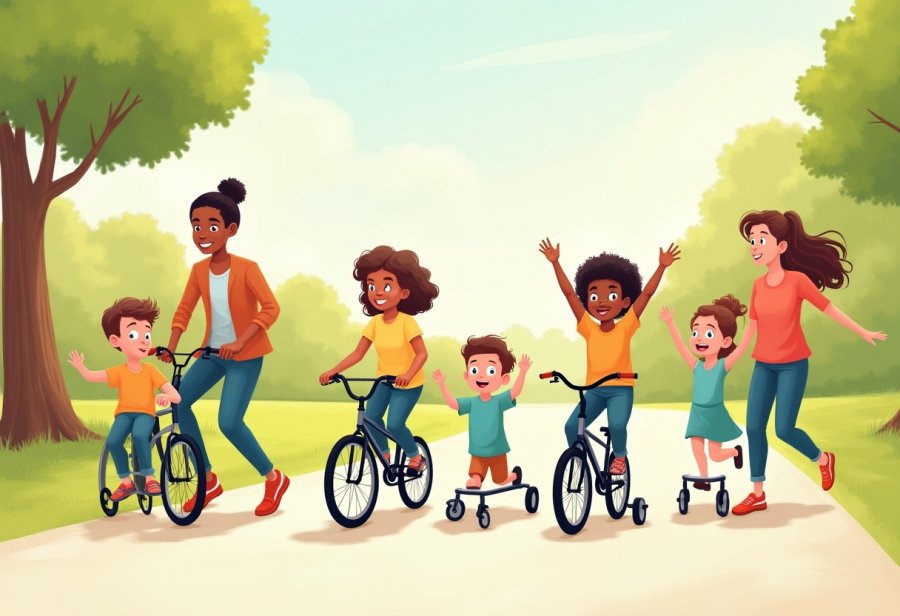
Learning to ride a bike rests on understanding a few key ideas that form the foundation of the skill. Central among them is balance. Without it, staying upright while moving forward becomes nearly impossible. Children often develop this through trial and error, starting with support from training wheels or balance bikes that help them feel what it’s like to stay steady. As confidence grows, they begin to trust their ability to keep the bike upright, which marks a major step toward independence.
Coordination is equally vital. It involves smoothly connecting pedal movement, steering, and maintaining proper posture. When children first start, these actions can feel disconnected—pedaling too fast or steering too sharply. Over time, their movements become more fluid as they learn to shift their body weight and make tiny adjustments. This improved coordination reinforces their control, making each ride feel more natural and less intimidating.
Safety plays a critical role in mastering cycling. Wearing helmets, knee pads, and elbow pads isn’t just about following rules; it’s about reducing the fear of injury. Feeling protected encourages kids to practice more freely and take small risks, like leaning into turns or balancing on uneven surfaces. These experiences build confidence and help them realize that falls are part of learning, not failures.
Overcoming initial fears, such as the dread of falling or losing control, requires patience. Kids often hesitate after a tumble, but gentle encouragement and consistent practice show them that mistakes are normal. Each stumble becomes a stepping stone, not a setback, helping them see that persistence pays off. This mindset shifts their focus from fear to growth, making the process of learning more about progress than perfection.
Understanding that mastery develops gradually helps both children and parents stay motivated. Progress might look like a wobble here or a brief ride without support there, but these small victories add up. Recognizing that learning takes time reduces frustration and fosters a growth mindset—where effort and patience are rewarded. This approach makes the journey enjoyable and keeps kids eager to keep trying, even when they wobble or fall.
From Practice to Confidence: Practical Tips and Family Support in Learning to Ride
Learning to ride a bike is as much about putting principles into practice as it is about understanding the basics. Creating a supportive environment is key. Picking a flat, open space free of traffic and distractions gives children the freedom to focus on balancing without feeling overwhelmed. Starting with a balance bike or gradually removing training wheels helps kids develop their sense of control and confidence, making each step feel more manageable.
Family support turns practice into memorable moments. When parents or siblings cheer from the sidelines, steady the bike, or offer gentle guidance, children feel encouraged rather than intimidated. Celebrating small successes—like balancing a little longer or pedaling a few meters—boosts motivation and turns effort into a shared achievement. Patience and positivity from loved ones help keep the experience fun, ensuring kids associate riding with joy rather than fear.
Consistent practice is vital, but it shouldn’t feel like a chore. Short, regular sessions keep children engaged and prevent frustration. Incorporating play—like riding to a favorite spot or playing simple games—makes each outing enjoyable and less stressful. Safety gear isn’t just about rules; it’s about confidence. When children wear helmets, knee pads, and elbow guards, they feel protected, which encourages them to try new maneuvers without hesitation.
Community resources can also support learning. Local cycling clubs, beginner lessons, and neighborhood groups provide structured guidance and social motivation. These settings introduce children to peers who are also learning, creating a sense of camaraderie. Online tutorials and videos serve as additional tools, allowing kids to revisit techniques and build independence outside family practice. Combining these approaches fosters a well-rounded, encouraging environment.
As confidence grows, parents should focus on highlighting progress rather than perfection. Recognizing small improvements, like maintaining balance for a few extra seconds or turning more smoothly, reinforces a growth mindset. It’s important to remember that setbacks are part of the journey—each fall or wobble is an opportunity to learn resilience. Emphasizing effort over immediate success helps children develop a positive attitude toward challenges.
Making the learning process fun and relaxed is crucial. Avoiding pressure and celebrating every step keeps children eager to practice. When riding becomes a shared adventure filled with laughter and encouragement, it transforms into a bonding experience. These positive associations motivate children to keep trying, turning initial fears into confidence.
Ultimately, mastering cycling involves patience, support, and a touch of creativity. Whether it’s choosing the right space, using engaging routines, or simply being present with encouragement, these practical steps make the journey smoother and more enjoyable. When children see that learning to ride is a shared effort and a source of joy, they’re more likely to embrace the challenge and grow into confident, independent riders.
Beyond the Pedals: Celebrating Resilience, Independence, and Lifelong Growth
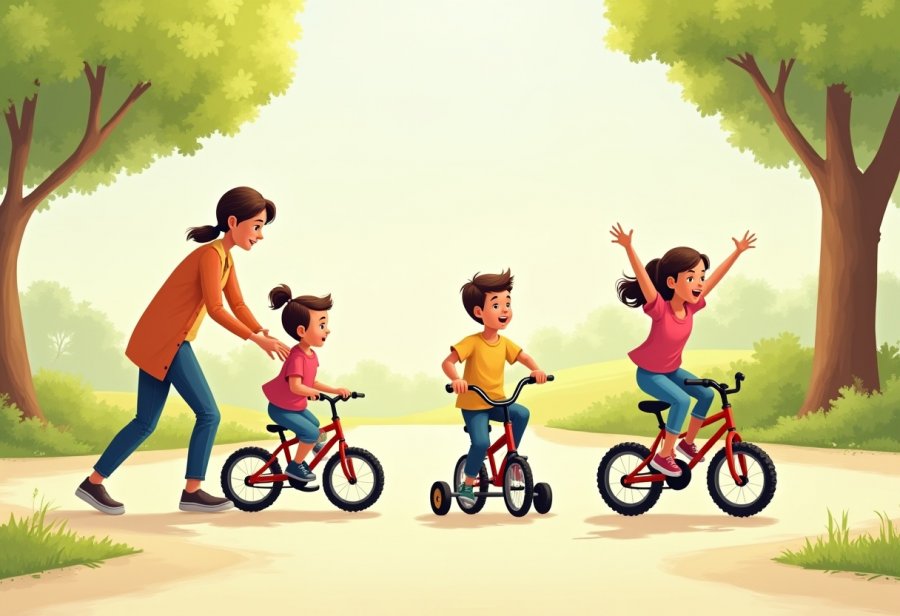
Learning to ride a bike goes beyond simply balancing on two wheels; it’s a powerful lesson in resilience and trust. When children face their fears—whether it’s falling or losing control—and push through them, they uncover strengths they didn’t realize they had. Those wobbling moments and small falls become stepping stones, gradually building confidence and a sense of achievement that extends into other areas of life. The thrill of finally balancing and pedaling independently becomes a symbol of perseverance and personal growth.
Parents and caregivers play a crucial role in shaping this experience. Their steady encouragement, reassurance, and presence turn a potentially intimidating challenge into an empowering achievement. Celebrating every small victory—like maintaining balance a little longer or pedaling a few extra meters—reinforces the idea that effort leads to progress. These shared moments of success deepen bonds and show children that setbacks are just part of learning, not failures.
The act of learning to ride a bike is a universal milestone that resonates across cultures and generations. It embodies themes of independence, adventure, and self-reliance—values that are nurtured through the simple act of pedaling forward. Overcoming initial fears on two wheels teaches children that challenges can be conquered with patience and persistence, fostering a growth mindset that lasts a lifetime.
This journey also cultivates resilience. Every tumble, wobble, and wobbling recovery reminds kids that setbacks are temporary and growth is ongoing. These lessons in perseverance encourage a confident, adaptable outlook, empowering children to face future obstacles with optimism and determination. The confidence gained from mastering cycling becomes a foundation for tackling new challenges with courage.
Looking ahead, the skills and confidence developed during this process set the stage for broader independence. Whether trying new activities, taking on responsibilities, or navigating unfamiliar environments, the resilience learned on the bike helps children approach life’s hurdles with assurance. Supportive environments—family, school, and community—further reinforce this development, showing that persistence and support are key to overcoming fears.
The lessons learned during this milestone extend well beyond childhood. Children discover that fear is often the only barrier between them and their goals. Each successful ride, each wobble overcome, is a reminder that growth begins outside comfort zones. The joy of riding becomes a lasting symbol of overcoming adversity, inspiring a mindset that sees challenges as opportunities for discovery.
In the end, the journey from fear to independence on a bike captures a fundamental truth: facing challenges with support and persistence leads to confidence and happiness. Children learn that setbacks are temporary and that resilience, coupled with encouragement, opens doors to new possibilities. These early lessons in trust and perseverance shape a resilient, optimistic outlook—one that will serve them throughout their lives, long after their first ride.