Cleopatra VII is often remembered through romanticized images and Hollywood glamour, but her true legacy lies in her remarkable intellect, strategic mastery, and political savvy. Was she merely a seductress, or a formidable ruler who used diplomacy, symbolism, and cultural insight to secure Egypt’s independence? Her ability to forge alliances with Rome’s most powerful figures—Julius Caesar and Mark Antony—was driven not by vanity but by calculated statecraft. Fluent in multiple languages and well-versed in philosophy and rhetoric, Cleopatra understood that influence depends on perception and symbolism, employing religious imagery and divine associations to legitimize her authority. Her leadership exemplifies how wisdom, cultural mastery, and strategic foresight can leave a lasting mark — far beyond superficial beauty or romance. Her story challenges us to see power as rooted in the mind, urging a deeper appreciation for the intelligence and adaptability that define true leadership across history.
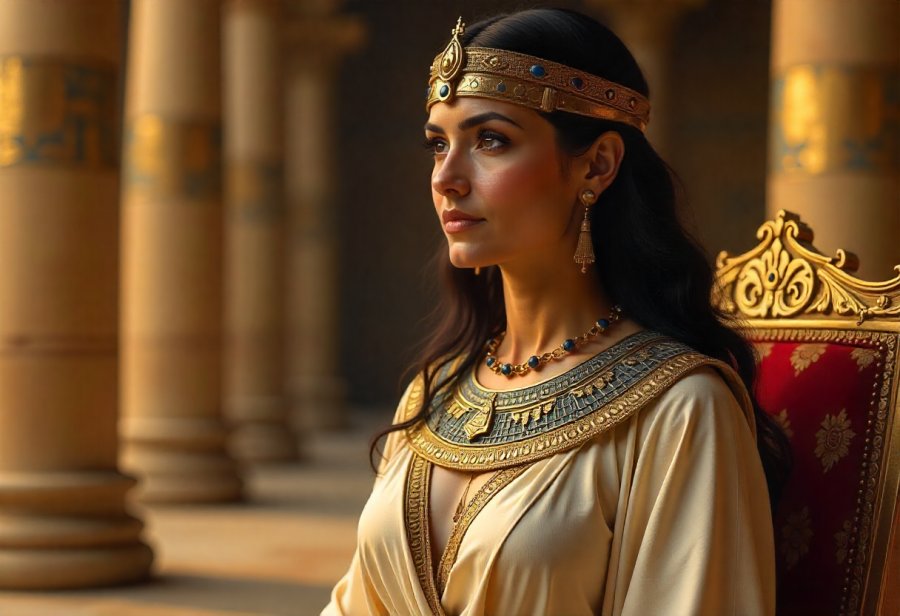
Unveiling Cleopatra VII: Beyond Glamour and Romance
Cleopatra VII is often remembered through images of glamour and romance, but her story goes far deeper than Hollywood’s portrayal. She was a highly intelligent and strategic leader who played a central role in shaping the ancient world. As Egypt’s last pharaoh, her reign was marked by political turbulence, shifting alliances, and external threats—challenges she navigated with remarkable skill. Her ability to steer her kingdom through these turbulent waters was driven not just by charm, but by sharp wit, diplomatic finesse, and a keen understanding of power.
Many focus on her reputation as a seductress, yet Cleopatra’s true strength lay in her mind. She was a master diplomat, fluent in multiple languages and well-versed in philosophy, rhetoric, and governance. These skills enabled her to communicate directly with foreign leaders and influence powerful figures like Julius Caesar and Mark Antony. Her leadership was rooted in strategic thinking and perfect timing—traits that helped her preserve Egypt’s independence amid Rome’s expanding empire.
Understanding Cleopatra’s legacy means looking past surface glamour to appreciate her as a woman of profound intelligence and political savvy. She deftly forged alliances, manipulated rival factions, and adapted to ever-changing circumstances—all aimed at strengthening her kingdom’s sovereignty. Her mastery of symbolism, religious imagery, and royal authority made her a compelling figure who blended tradition with innovation, using cultural symbols to reinforce her legitimacy.
Her leadership style was characterized by a sophisticated grasp of statecraft, combining symbolism with practical diplomacy. Cleopatra employed religious and royal imagery—like her association with Isis and divine rulership—to legitimize her authority. She understood that perception was as powerful as reality, using rituals, titles, and iconography to connect with her subjects and bolster her position. Her ability to shape perceptions was a key element of her enduring influence.
Her strategic alliances with Rome’s most influential figures—Julius Caesar and later Mark Antony—were based on careful political calculation, not just romance. These relationships helped her regain and maintain her throne, ensuring Egypt’s survival longer than many expected. Cleopatra’s diplomatic skill and her ability to read her environment exemplify a master tactician who prioritized her kingdom’s interests through intelligence and timing.
Cleopatra’s story is a testament to how leadership rooted in knowledge, cultural insight, and strategic vision can leave a lasting legacy. She understood that true power resides in the mind—an enduring lesson that continues to resonate today. Her legacy encourages us to look beyond surface appearances and recognize the importance of wisdom, perception, and diplomacy in shaping history.
Origins of Power: Cleopatra’s Roots in a Turbulent Egypt
Cleopatra VII’s story begins within the intricate web of the Ptolemaic Dynasty, a Greek family that gained control of Egypt following Alexander the Great’s empire fragmentation. Established around 305 BCE, her ancestors maintained a unique fusion of Greek and Egyptian traditions to legitimize their rule. This blending created a cultural landscape where Greek language, art, and religious practices intertwined seamlessly with Egypt’s ancient beliefs, shaping her identity as both a Greek and Egyptian ruler. Recognizing this dual heritage helps explain how Cleopatra positioned herself as a leader rooted in multiple traditions, using cultural symbols to reinforce her authority.
Egypt at the time was a land of internal strife and external pressures. The Ptolemies faced constant court rivalries, often resorting to intrigue, alliances, and palace coups to stay in power. Meanwhile, the economy was strained by internal disputes and the expanding influence of neighboring regions, especially Rome. As Rome’s presence grew across the Mediterranean, Cleopatra understood that her survival depended on adept diplomacy. Her early education reflected these realities, equipping her with multilingual skills and political acuity that allowed her to engage across cultures and forge strategic alliances.
From a young age, Cleopatra was immersed in a world of political maneuvering. She learned Greek, Egyptian, Latin, and other languages, giving her a distinct advantage in diplomacy. Her education in philosophy, rhetoric, and statecraft provided her with a broad toolkit to influence her court and foreign powers alike. When her father, Ptolemy XII, died, a fierce struggle for succession erupted. Cleopatra’s intelligence and strategic alliances—most notably her alliance with Julius Caesar—helped her outmaneuver rivals and secure her position as co-ruler alongside her younger brother, Ptolemy XIII, amidst ongoing conflict.
External threats to Egypt intensified as Rome’s influence expanded. Cleopatra recognized that Egypt’s independence was at stake and adopted a pragmatic approach. Her alliance with Julius Caesar in 48 BCE was a calculated move to regain her throne after her brother’s rebellion. These diplomatic gambits showcased her ability to read her environment and act decisively. Her relationship with Caesar not only restored her power but also laid the groundwork for her long-term strategy to maintain Egypt’s sovereignty amid the rising tide of Roman imperialism. Later, her alliance with Mark Antony built on the same principles—merging political calculation with cultural resonance.
Cleopatra’s mastery of diplomacy, cultural symbolism, and strategic thinking defined her leadership. She navigated a turbulent political landscape, leveraging her deep understanding of both Greek and Egyptian traditions to strengthen her position. Her story is a testament to how a ruler’s true power often resides in the ability to adapt, influence perceptions, and forge alliances—skills that allowed her to leave a lasting mark on history. Her legacy highlights the enduring importance of cultural insight and strategic foresight in leadership, lessons that remain relevant today.
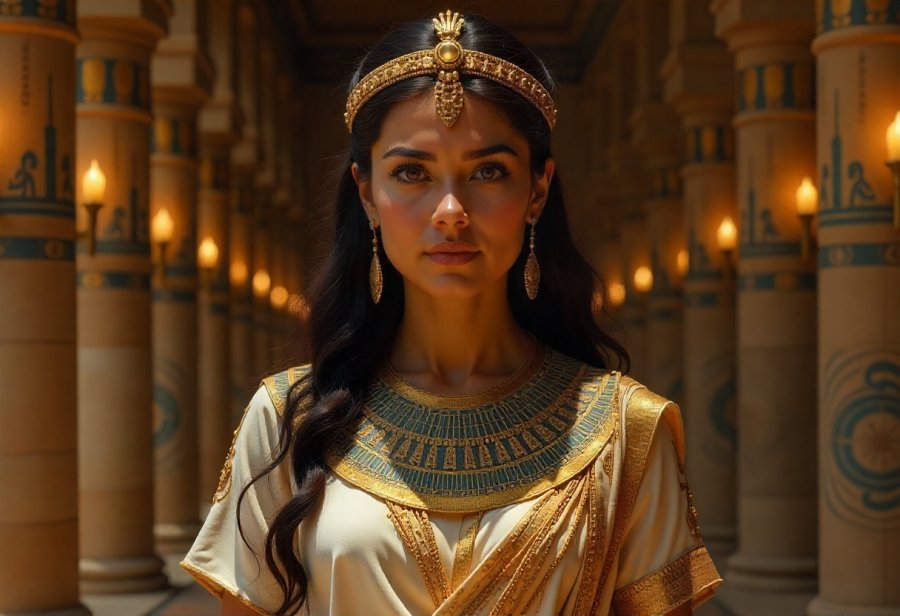
Mastermind Queen: Cleopatra’s Diplomatic and Intellectual Triumphs
Cleopatra’s reputation as a scholar-queen was more than just a title; it was central to her effective leadership. Fluent in Greek, Egyptian, Latin, and other languages, she could communicate directly with diverse audiences, strengthening diplomatic ties without intermediaries. Her education in philosophy, rhetoric, and sciences gave her a broad worldview and sharp strategic insight, transforming her from a mere ruler into a persuasive diplomat and cultural ambassador.
This mastery of language and knowledge allowed Cleopatra to shape her image and influence powerful figures like Julius Caesar and Mark Antony. She understood that perception was as vital as power, using religious imagery, titles, and rituals—such as her association with Isis and divine rulership—to legitimize her authority. These symbols weren’t just decorative; they reinforced her legitimacy and deepened her connection to her subjects and allies alike.
Her diplomatic finesse was evident in her strategic alliances with Rome’s top leaders. Her relationship with Caesar in 48 BCE was a calculated move to stabilize her throne after her brother’s rebellion. Similarly, her alliance with Mark Antony was rooted in political calculation, merging personal rapport with statecraft to defend Egypt’s independence amid Rome’s expanding empire. These relationships were not driven solely by romance but by deliberate efforts to secure her kingdom’s survival.
Cleopatra approached governance as a tactician, calm and decisive in her actions. She relied on persuasion, symbolism, and cultural insight rather than brute force. Her use of religious and royal imagery—like the uraeus cobra and her divine associations—helped solidify her authority and foster loyalty. By shaping perceptions skillfully, she maintained her influence even during turbulent times.
At her core, Cleopatra’s strength lay in her intelligence and cultural savvy. She seamlessly combined scholarly knowledge with practical diplomacy, recognizing that influence hinges on perception as much as reality. Her ability to forge alliances, manipulate rival factions, and adapt swiftly kept Egypt afloat longer than many expected.
Her leadership exemplifies how strategic thinking and cultural mastery can amplify a ruler’s power. Cleopatra understood that influence is rooted in perception and symbolism, making her a master of the art of persuasion. Her legacy demonstrates that true leadership depends on a sharp mind, cultural insight, and the ability to navigate complex political landscapes—lessons that remain relevant across ages.
Shaping Legacy: Wisdom, Influence, and the Art of Leadership
Cleopatra’s legacy extends far beyond her legendary beauty or the stories of romance that have often overshadowed her true achievements. Her lasting influence is rooted in her exceptional intellect and strategic insight, qualities that defined her as a leader capable of shaping history. She understood that real power lies in the mind—an asset she wielded through diplomacy, perception, and cultural mastery. Her ability to forge alliances, manipulate rival factions, and adapt swiftly to changing circumstances kept Egypt afloat longer than many expected, leaving a legacy of resilience and shrewd leadership.
Throughout her reign, Cleopatra demonstrated that influence is often rooted in perception. She expertly used religious symbolism, royal imagery, and rituals—such as her associations with Isis and divine rulership—to legitimize her authority and foster loyalty. These symbolic acts weren’t mere decoration; they reinforced her legitimacy and created a deep emotional connection with her subjects and allies. Her mastery of cultural and religious symbols transformed political power into a divine right, making her authority both tangible and inspiring.
Her alliances with Rome’s most powerful figures, Julius Caesar and Mark Antony, exemplify her diplomatic brilliance. These relationships were carefully crafted moves designed to protect Egypt’s sovereignty amid the expanding Roman empire. Cleopatra’s strategic partnerships weren’t driven solely by personal affection but by a clear understanding that influence and survival depended on reading her environment and leveraging external power. Her ability to merge personal rapport with political calculation made her a formidable tactician and a ruler who knew how to turn circumstances to her advantage.
Leadership for Cleopatra was as much about perception as it was about strength. She approached governance with tact, calm decisiveness, and a keen understanding of the cultural landscape. She skillfully used symbolism, language, and tradition to bolster her legitimacy, ensuring her influence endured through turbulent times. Her ability to sway both her subjects and foreign dignitaries alike demonstrates a mastery of influence rooted in cultural insight and strategic thinking, rather than brute force.
Her legacy is a testament to the power of wisdom and mental agility in leadership. Cleopatra showed that true influence comes from understanding the nuances of perception, culture, and diplomacy. Her life teaches that impactful leadership isn’t just about holding a throne but about shaping narratives, building alliances, and staying adaptable in the face of change. Her story remains a compelling example of how intellect, cultural insight, and strategic foresight can leave a lasting mark on history.
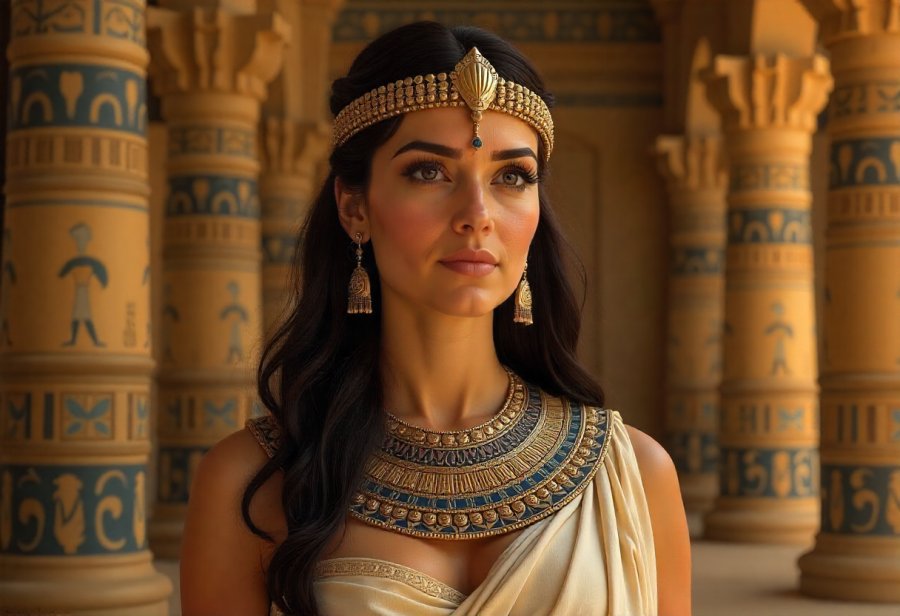
Eternal Influence: Reflecting on Cleopatra’s True Power and Enduring Impact
Cleopatra’s true legacy transcends the romantic tales and superficial images that have long overshadowed her real achievements. At its core, her enduring influence lies in her exceptional intellect and strategic mastery. She was a ruler who understood that genuine power stems from the mind—an asset she wielded through diplomacy, perception, and cultural insight. Her ability to build alliances, manipulate rival factions, and adapt swiftly to changing circumstances prolonged Egypt’s independence longer than many expected, leaving a legacy of resilience and shrewd leadership.
Throughout her reign, Cleopatra demonstrated that influence is rooted in perception. She skillfully used religious symbolism, royal imagery, and rituals—such as her associations with Isis and divine rulership—to legitimize her authority and foster loyalty. These symbols weren’t mere decoration; they reinforced her legitimacy and created a profound emotional connection with her subjects and allies. By transforming political power into a divine right, she inspired devotion and trust that endured through turbulent times.
Her alliances with Rome’s most powerful figures—Julius Caesar and Mark Antony—embody her diplomatic brilliance. These relationships were carefully crafted strategies designed to safeguard Egypt’s sovereignty amid the expanding Roman empire. Cleopatra’s partnerships weren’t solely personal; they were calculated moves rooted in a keen understanding of influence and survival. Her ability to merge personal rapport with political calculation made her a master tactician, turning circumstances to her advantage and ensuring her kingdom’s longevity.
Leadership for Cleopatra was as much about perception as it was about strength. She approached governance with tact, calm decisiveness, and a deep understanding of her cultural landscape. Her mastery of symbolism, language, and tradition allowed her to sway both her subjects and foreign dignitaries alike. This cultural savvy, combined with strategic thinking, created a form of influence that has echoed through history—proving that true leadership depends on mental agility and perceptiveness.
Her legacy teaches us that influence rooted in knowledge and cultural insight can leave a lasting impact. Cleopatra showed that leadership isn’t just about holding power but about shaping narratives, fostering loyalty, and staying adaptable. Her ability to read her environment and leverage perception was key to her enduring relevance, offering timeless lessons for anyone in positions of influence.
In the end, Cleopatra’s story is a reminder that genuine power resides within the mind. Her mastery of diplomacy, symbolism, and strategic foresight transformed her into more than just a figure of legend; she became a symbol of leadership grounded in wisdom. Her life exemplifies how mental agility, cultural understanding, and a keen sense of perception can forge a legacy that outlives even the most dramatic tales of glamour or romance.
Her example continues to inspire because it underscores a fundamental truth: influence is an art that requires constant adaptation, deep understanding, and strategic foresight. Cleopatra recognized that lasting leadership depends not on force alone but on the ability to shape perceptions and craft narratives. Her legacy reminds us that true power is rooted in the mind—an asset that, when wielded wisely, can shape history and inspire generations long after the throne has faded.