Nylon, a ubiquitous fiber found in everything from clothing to industrial materials, is rooted in fossil fuel processes that carry profound environmental consequences. Its production involves energy-intensive chemical reactions, high emissions, and hazardous waste, tying its existence to the ongoing fossil fuel dependency that fuels climate change and habitat destruction. Once in use, nylon’s resilience turns it into a long-lasting pollutant—resisting natural degradation and shedding microfibers that infiltrate oceans and threaten marine life and human health. Despite recycling efforts, its persistent fibers linger in landfills and ecosystems for centuries, contributing to the global plastic crisis. This contrast between nylon’s durability and environmental cost raises urgent questions: Can we continue to rely on such an environmentally destructive material, or must we pivot toward sustainable alternatives? Exploring nylon’s hidden ecological toll reveals a pressing need for systemic change, innovative practices, and increased awareness to protect our planet’s future.

Unveiling the Hidden Environmental Cost of Nylon
Nylon is one of the most recognizable synthetic fibers in everyday life, appearing in clothing, carpets, industrial materials, and countless other products. Its popularity took off in the 1930s as a modern alternative to natural fibers like silk and cotton, offering a blend of durability, elasticity, and affordability. These qualities quickly made nylon a staple in manufacturing, transforming industries and shaping consumer habits worldwide. However, behind its widespread use lies a complex environmental story that often goes unnoticed amid the convenience and utility.
The process of making nylon begins with extracting fossil fuels—mainly oil and natural gas—which serve as the foundational raw materials. These hydrocarbons are drilled from underground reserves and then undergo energy-intensive refining to produce key chemicals such as hexamethylenediamine and adipic acid. Creating these intermediates involves high heat, complex chemical reactions, and the use of hazardous catalysts, all of which demand significant amounts of energy primarily derived from burning fossil fuels. This reliance ties nylon’s production directly to the ongoing issues of greenhouse gas emissions, habitat disruption, and resource depletion caused by fossil fuel extraction and processing.
Once these chemicals are in hand, they undergo controlled polymerization—a process that links small molecules into long, durable chains known as polyamides. Achieving the right conditions during polymerization—such as specific temperatures, pressures, and catalysts—is crucial for producing high-quality nylon fibers. This step is highly energy-demanding and tightly linked to the fossil fuel economy, as the entire process relies heavily on energy sources that contribute to carbon emissions. From raw material extraction to fiber spinning, each stage embeds nylon within a broader system of resource consumption that impacts ecosystems and climate.
The environmental costs of nylon extend beyond production into its entire lifecycle. Its fibers are resistant to natural degradation, meaning discarded nylon products can persist in landfills for hundreds of years. This persistence makes nylon a significant contributor to the global plastic waste crisis, filling landfills and polluting ecosystems. Moreover, when nylon textiles are washed, tiny microfibers—microplastics so small they escape filtration—are released into water systems. Marine life ingests these fibers, mistaking them for food, which can cause physical harm and introduce toxic chemicals into the food chain. The resilience of nylon fibers means they linger long after disposal, continually leaching chemicals and disrupting ecosystems.
Understanding nylon’s full environmental impact reveals a paradox: a material designed for strength and longevity is also one of the most persistent pollutants. Its dependence on non-renewable resources and its contribution to microplastic pollution highlight the need for a shift toward sustainable alternatives. While nylon’s durability and versatility have made it indispensable, the hidden ecological costs call for increased awareness, better waste management, and innovation in eco-friendly materials. Addressing these challenges is essential if we want to reduce nylon’s footprint and protect our planet’s health for future generations.

From Fossil Fuels to Fibers: The Chemical Journey of Nylon
Nylon’s production starts with extracting fossil fuels—primarily oil and natural gas—that serve as the foundational raw materials. These hydrocarbons are drilled from underground reserves and then undergo energy-intensive refining processes to produce key chemicals like hexamethylenediamine and adipic acid. This refining involves high heat, complex chemical reactions, and hazardous catalysts, all of which require substantial energy, mostly from burning fossil fuels. As a result, nylon’s manufacturing process is tightly linked to the ongoing issues of greenhouse gas emissions, habitat disruption, and resource depletion caused by fossil fuel extraction and processing.
Once these chemicals are obtained, they are combined through controlled chemical reactions in a process known as polymerization. During this step, small molecules are linked into long, durable chains called polymers—specifically polyamides—that form the fibers used in textiles and industrial applications. Achieving the correct conditions—such as specific temperatures, pressures, and catalysts—is crucial for producing high-quality nylon, but this precision comes with high energy demands. Each stage, from raw material extraction to fiber spinning, relies heavily on fossil fuels, embedding nylon within a broader system that significantly impacts the environment.
The transformation from hydrocarbons to nylon involves multiple stages, each contributing to its environmental footprint. Refining oil and natural gas releases pollutants into the air and water, while the synthesis of intermediates generates hazardous waste. If these wastes aren’t managed properly, they can contaminate soil and water, posing risks to ecosystems and nearby communities. During polymerization, volatile organic compounds and greenhouse gases are emitted, further fueling climate change. These environmental costs often go unnoticed but are integral to nylon’s entire production cycle.
Every step—from resource extraction and chemical synthesis to fiber spinning—relies on energy and chemicals derived from fossil fuels. This dependence makes nylon’s manufacturing resource-intensive and a notable contributor to environmental degradation, encompassing air pollution, water contamination, and habitat loss. While the durability of nylon fibers is a significant advantage once in use, the environmental toll of their creation remains a critical concern. As the world shifts toward cleaner energy and sustainable materials, reliance on non-renewable resources in nylon’s production casts long-term doubts about its viability.
Beyond manufacturing, nylon’s environmental impact continues with its end-of-life phase. Its fibers are resistant to natural degradation, meaning discarded nylon products can linger in landfills for hundreds of years. This persistence significantly amplifies the global plastic waste crisis, filling landfills and polluting ecosystems. Microfibers shed during washing also contribute to this problem; tiny plastic particles escape filtration systems and enter oceans and lakes, where marine life ingests them, mistaking them for food. These fibers cause physical harm and introduce toxic chemicals into the food chain, affecting both wildlife and humans.
The resilience of nylon fibers means they do not break down easily, leading to decades-long contamination in ecosystems. Microplastics from nylon can leach chemicals into soil and water, posing health risks that extend beyond wildlife to human populations. The accumulation of these particles can infiltrate drinking water supplies, creating long-term health concerns. Despite advances in recycling and waste management, these solutions only partially address the scale of the problem. Without systemic change and a shift toward sustainable alternatives, nylon’s environmental footprint will continue to grow, threatening biodiversity and public health.
The chemical process behind nylon’s production highlights the deep dependence on fossil fuels and the environmental costs associated with this reliance. From oil drilling and refining to chemical synthesis and fiber production, each stage consumes substantial energy and produces hazardous byproducts. These processes not only emit greenhouse gases but also generate waste that can contaminate local environments. As industries seek to reduce their ecological impact, the opaque nature of nylon’s production cycle underscores the urgent need for innovation and cleaner manufacturing practices.
Understanding the full scope of nylon’s production reveals a complex web of convenience, necessity, and consequence. While the material offers unmatched durability and versatility, its environmental costs—resource depletion, pollution, and persistent microplastics—are significant. Moving toward sustainable fashion and alternative materials requires rethinking these supply chains and adopting more eco-friendly practices. Addressing nylon’s production footprint is essential to safeguarding ecosystems and aligning consumer habits with a healthier planet.
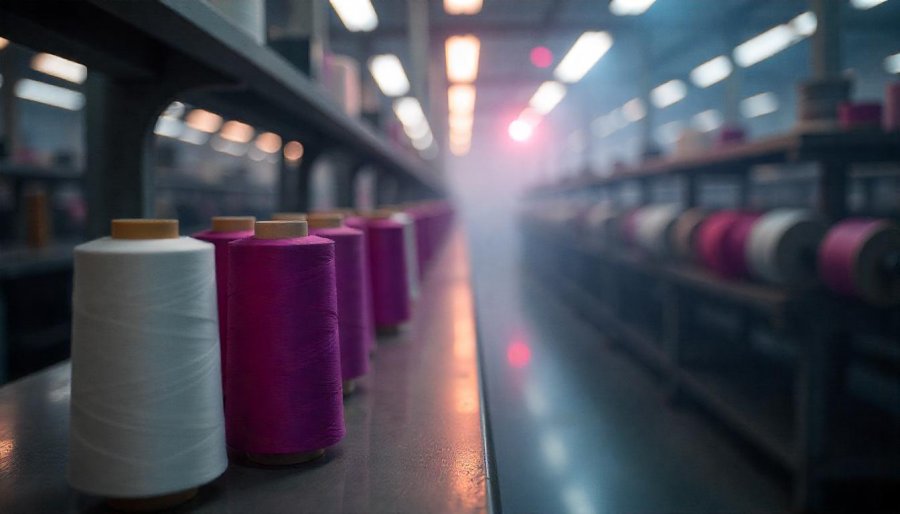
Current Realities: The Growing Impact of Nylon Pollution
Nylon pollution is an increasingly urgent issue that touches ecosystems and communities around the world. As one of the most common synthetic fibers, nylon’s durability means that millions of tons of discarded products—ranging from clothing and carpets to industrial materials—accumulate each year in landfills. Because nylon resists natural decay, these plastics can linger for centuries, becoming a persistent part of the global waste crisis. Landfills overflow with nylon debris, and fragments often find their way into natural habitats, where they disrupt ecosystems and threaten wildlife.
The environmental footprint of nylon extends far beyond waste. Manufacturing facilities emit pollutants that degrade air and water quality, often releasing hazardous chemicals and greenhouse gases into the environment. In regions with lax regulations, unchecked pollution from nylon production exacerbates ecological damage and poses serious health risks to nearby communities. The release of volatile organic compounds and other pollutants during manufacturing not only accelerates climate change but also contaminates soil and water sources, affecting both ecosystems and human health. This invisible but pervasive pollution underscores the heavy toll that nylon’s production exacts on the environment.
Once in nature, nylon fibers pose a hidden danger through microplastic contamination. During washing, tiny microfibers—so small they evade most filtration systems—are released into water bodies. These microplastics are easily ingested by marine life, from plankton to fish, often causing physical injuries or chemical toxicity. As these particles accumulate through the food chain, they threaten the health of larger animals and humans, who consume seafood contaminated with microplastics. Because nylon fibers are highly resistant to breakdown, they can persist in ecosystems for decades, continuously leaching chemicals and disrupting aquatic and terrestrial life.
The durability of nylon fibers means that discarded products in landfills remain intact for centuries, gradually leaching chemicals into soil and groundwater. This long-lasting presence not only contributes to the mounting plastic pollution but also endangers soil quality and water safety. Microplastics released during washing and wear further complicate the problem, infiltrating drinking water supplies and marine environments alike. Despite recycling efforts and waste management improvements, these measures only partially address the scale of nylon’s environmental impact. Without systemic changes and the adoption of sustainable alternatives, nylon’s footprint will continue to grow, threatening biodiversity and public health.
Addressing nylon’s current environmental conditions requires a broad perspective. Its production rooted in fossil fuels, combined with its persistent fibers and toxic microplastics, creates a complex web of ecological challenges. While technological advances and stricter regulations help reduce some impacts, they fall short of solving the core issues. A shift toward sustainable materials, better waste management, and consumer awareness are essential to mitigating nylon’s footprint. Recognizing the scale of this problem is the first step toward meaningful change, urging industries and individuals alike to reconsider their reliance on this durable but damaging material.