Embarking on your first camping adventure might seem intimidating, yet shifting your mindset transforms the experience into a joyful exploration of nature’s wonders. When you approach camping with curiosity and patience, hurdles like unpredictable weather or gear mishaps become opportunities for growth rather than setbacks. This guide emphasizes the importance of preparation, from choosing accessible sites to packing thoughtfully and planning simple activities that foster confidence. It highlights how flexibility and a positive attitude help turn challenges into memorable stories, making outdoor trips more rewarding for families and beginners alike. As technology and infrastructure evolve to become more inclusive and eco-friendly, outdoor pursuits are growing more accessible and inviting. So, could adopting a resilient, open-minded outlook truly unlock the magic of the outdoors? With the right approach, your first camping trip can ignite a lifelong love for nature’s adventures.

Transform Your First Camping Experience with the Right Attitude
Starting your first camping trip can feel a little intimidating, but the right attitude makes all the difference. Approaching the outdoors with curiosity rather than caution transforms potential hurdles into exciting opportunities for discovery. When you see camping as an adventure—something to learn from and enjoy—you’re more likely to relax and embrace the experience fully. Instead of stressing over every detail or possible mishap, focus on the positives: the chance to connect with nature, pick up new skills, and create lasting memories.
Having a flexible outlook is essential. Nature is unpredictable, and no matter how well you prepare, surprises happen—like unexpected weather or gear hiccups. Accepting that things might not go perfectly helps you stay calm and adaptable. Viewing setbacks as part of the journey keeps frustration at bay and encourages resilience. Even seasoned campers face challenges; it’s how you respond that shapes your overall experience. This mindset keeps your trip enjoyable, no matter what unfolds.
A positive camping attitude also involves seeing the outdoors as a space for reconnecting—both with nature and yourself. Slowing down and tuning into your surroundings, whether it’s listening to birds or feeling the breeze, offers a calming break from daily routines. This perspective turns initial nerves into excitement, making each moment outdoors more meaningful. Being open-minded encourages you to notice the small joys that turn camping into a memorable adventure.
How you handle uncertainties—like missing gear or sudden weather changes—can influence your enjoyment. Instead of stressing, look for creative solutions and see these moments as learning experiences. Packing thoughtfully, staying calm, and being willing to adapt turn potential frustrations into opportunities for growth. This approach not only makes your first trip smoother but also sets a positive tone for future outdoor adventures.
In the end, your attitude toward camping shapes everything. Approaching it with patience, curiosity, and a sense of fun transforms what might seem like obstacles into stepping stones for enjoyment. This mindset not only enhances your current trip but also builds confidence for many more outdoor experiences ahead. When you view camping as a chance to explore, learn, and grow, each trip becomes more than just a getaway—it becomes the start of a lifelong love affair with the outdoors.
Strategic Planning for a Smooth and Enjoyable Camping Trip
Choosing the right spot for your first camping trip can make all the difference in ensuring a smooth and enjoyable experience. For beginners, sticking to nearby parks or well-maintained campgrounds is a smart move. These sites typically offer clear signage, accessible amenities like clean restrooms, and straightforward trails, which help reduce the overwhelm. Look for flat, shaded areas that are easy to set up on—these spots make settling in quick and comfortable, letting you focus on the adventure rather than logistical hurdles.
Timing matters just as much as location. Planning your trip during spring or early fall usually means more predictable weather and milder temperatures. Always check the forecast before heading out to avoid rainstorms or extreme heat or cold that could make your trip less fun. Giving yourself enough lead time to prepare and pack prevents last-minute stress, so you can arrive relaxed and ready to enjoy. A well-timed trip also allows you to be more intentional about what you bring, avoiding overpacking or forgetting essentials.
Creating a packing checklist is a key step in the planning process. Focus on the essentials: a reliable tent, sleeping bags suited for the expected weather, weather-appropriate clothing, and enough food and water. Packing layers helps you adapt to changing conditions, while safety items like a first aid kit, flashlight, and navigation tools are must-haves. Packing thoughtfully and in advance gives you confidence and peace of mind, so there are no surprises when you hit the road. Double-check your gear before departure to ensure everything is in place.
Thinking ahead about activities can help keep your trip simple and fun. For a first outing, easy hikes, nature walks, or birdwatching are great options—they require minimal planning and are accessible to most skill levels. Choose spots with accessible trails or water for activities like swimming or fishing, but avoid over-scheduling. Keeping plans straightforward allows everyone to relax, enjoy, and feel successful without feeling overwhelmed. Clear, simple plans set a positive tone from the start.
Getting organized before you leave can save time and reduce stress. Pack your gear systematically so everything is easy to find when you arrive. Make sure your vehicle has enough space for all your equipment, and double-check your checklist one last time. When you get to the campsite, take your time setting up your tent and familiarizing yourself with the surroundings. A calm, organized approach helps you settle in quickly and sets the stage for a smooth, enjoyable trip.
Remember, flexibility is key. Weather can shift unexpectedly, or plans might need to be adjusted on the fly. Embrace these moments as part of the adventure—move gear under a tarp if rain arrives or explore a different trail if your original route is muddy. Staying adaptable keeps the mood light and your experience positive. When you approach your first camping trip with preparation and an open mind, it becomes a rewarding beginning to a lifelong outdoor journey.

Executing Your Camping Adventure: Setting Up and Connecting with Nature
Once you arrive at your campsite, start by finding a flat, sheltered spot for your tent. Look for a level area away from falling branches or low-lying water to keep you safe and comfortable. Clear away rocks, sticks, and debris to create a smooth surface, making setup easier and your sleeping area more pleasant. Follow your tent’s instructions carefully, staking it securely to withstand wind or changing weather. Taking your time during this step ensures a stable shelter that will serve as your cozy outdoor base.
Next, organize your gear inside and outside the tent. Inside, place your sleeping bag and essentials in easily accessible spots so you can relax quickly once settled. Outside, create a small, inviting space with chairs or a blanket, turning your campsite into a welcoming retreat. Take a moment to breathe deeply and enjoy the fresh air—this is your new outdoor home, designed for both comfort and adventure. Setting up thoughtfully helps you feel more relaxed and ready to explore.
Getting outside immediately helps you connect with nature. Take a moment to listen to the birds, watch the leaves sway, or feel the breeze on your skin. Venture onto nearby trails or explore water features to familiarize yourself with your surroundings. Simple activities like collecting interesting stones or observing wildlife deepen your connection and turn routine walks into mini-adventures. Being present in the environment makes the experience more meaningful and helps you appreciate the beauty around you.
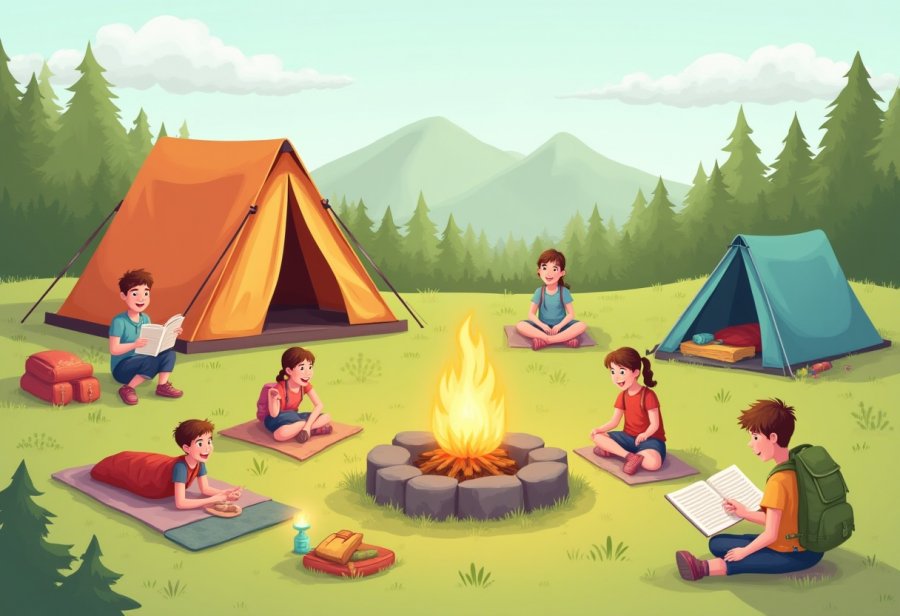
Involving everyone in setting up and exploring makes the trip more engaging and fun. Encourage family or friends to help gather firewood, organize gear, or share stories around the campsite. Playful activities like a quick scavenger hunt or sitting around the campfire add a special touch. Staying relaxed and flexible allows everyone to enjoy the moment, transforming small tasks into shared memories and bonding experiences. This teamwork enhances your overall outdoor experience.
Weather can be unpredictable, so adapting quickly is key. If rain starts, set up a tarp or move gear undercover to stay dry. If plans need changing, be open to exploring new trails or adjusting your activities. Keep a positive attitude, knowing that these moments are part of the adventure. Flexibility not only keeps the mood light but also helps you enjoy the outdoors despite surprises or setbacks, turning challenges into memorable stories.
Take time to soak in the natural beauty around you. Whether it’s a sunset, the sound of insects at night, or the scent of pine, these moments make camping special. Use this time to relax, reflect, and fully engage with your surroundings. The more immersed you are, the more rewarding your outdoor trip becomes. Setting up camp is just the beginning—embracing every moment outdoors turns your trip into a memorable adventure filled with discovery and connection.
Overcoming Common Challenges to Ensure a Successful Outdoor Journey
Camping doesn’t always go as planned, especially when you’re just starting out. Unexpected weather, gear mishaps, or minor injuries can quickly turn a smooth trip into a stressful one. The key is to stay calm and be prepared—checking the weather forecast before you leave and packing extra clothes or a waterproof layer can make a big difference. Bringing spare parts, like an extra tent pole or batteries, helps you avoid frustration if something breaks or runs out of power.
When problems do arise, see them as opportunities to learn rather than setbacks. A broken tent pole or a sudden rainstorm might seem like obstacles, but they’re also chances to problem-solve and build confidence. Adjust your setup carefully, and don’t rush—patience often leads to better solutions. Small issues like insect bites or scrapes are easy to manage with a well-stocked first aid kit, turning discomfort into manageable moments.
Flexibility becomes your best tool when surprises happen. If a trail is too muddy or a campsite crowded, adapt your plans instead of stressing. Moving gear under a tarp or exploring a different route keeps the mood positive and your experience enjoyable. Embracing these changes turns potential frustrations into part of the adventure, making your trip more memorable and less stressful.
Connecting with other campers can also help you handle challenges. Fellow outdoor enthusiasts often have useful tips or quick fixes for common problems. Asking for advice or sharing your concerns can make you feel less isolated and more confident. Many outdoor communities online and locally are full of helpful insights that can make troubleshooting easier and more approachable.
Remember, even experienced campers face setbacks. What matters most is your attitude—staying patient, humorous, and open-minded. Challenges are inevitable, but they also teach resilience and adaptability. The way you respond can turn a mishap into a story of growth, making you a more confident and prepared outdoor enthusiast.
Focusing on the bigger picture—enjoying nature and creating memories—helps keep setbacks in perspective. Most problems can be solved with a calm approach and a little creativity. When you see obstacles as part of the journey, each challenge becomes a stepping stone toward a more rewarding outdoor experience. With preparation and a positive mindset, even setbacks can turn into valuable lessons, ensuring your camping adventures remain fun and fulfilling.
Future Trends Making Camping More Accessible and Exciting for Beginners
Looking ahead, camping and outdoor activities are becoming more accessible and appealing than ever for beginners. Innovations in eco-friendly gear, like biodegradable tents and sustainable sleeping bags, are making it easier to enjoy nature responsibly while staying comfortable. These advancements encourage newcomers to connect with the outdoors without feeling guilty about their environmental impact, fostering a sense of stewardship from the very first trip.
Technology is also transforming outdoor adventures. Lightweight solar chargers, portable water filters, and user-friendly navigation apps mean you can stay connected and confident without carrying a lot of extra gear. These tools boost convenience and safety, making outdoor exploration more inviting for those just starting out. As a result, outdoor activities are opening up to a broader audience, including families, seniors, and individuals with limited mobility.
Natural spaces themselves are evolving to be more inclusive and better equipped for newcomers. Parks and reserves are investing in infrastructure and accessibility features that remove barriers, allowing more people to experience camping and hiking. Easier trail access, adapted facilities, and clearer signage make the outdoors less intimidating, encouraging first-timers to give it a try and build confidence in their outdoor skills.
Community support continues to grow alongside these developments. Online groups, local outdoor clubs, and educational programs offer a wealth of tips, shared experiences, and encouragement. From beginner workshops to social media communities, these resources help reduce the learning curve and foster connections. Sharing stories and advice creates a sense of belonging, inspiring new outdoor enthusiasts to explore more and stick with their outdoor pursuits.
Looking further into the future, outdoor experiences are expected to become more personalized and tailored to individual interests. Whether it’s urban camping, luxurious glamping, or adventure-focused trips, options will expand, making outdoor recreation less daunting and more appealing. For beginners, this means discovering what outdoor life suits their preferences and comfort level, turning initial trips into lifelong passions. The outdoor world is becoming more welcoming, diverse, and exciting—ready for anyone eager to embrace nature’s magic.